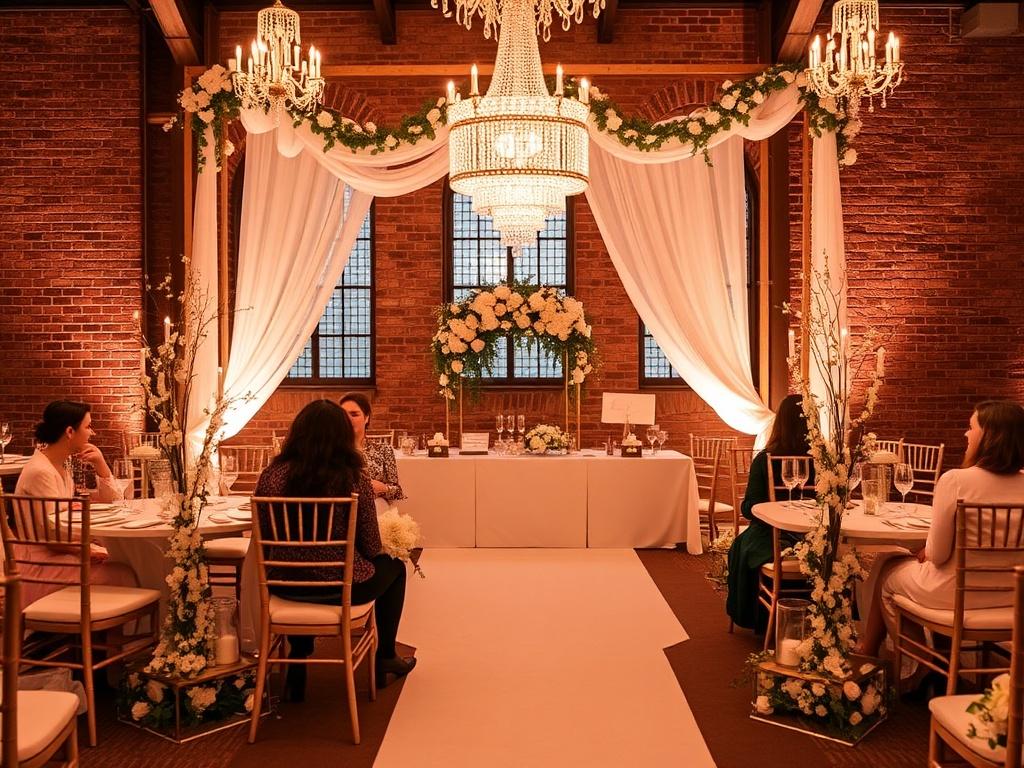
How to become a wedding planner and turn your passion into a career is a question I hear often from creative people who want meaning, flexibility, and a life packed with memorable celebrations.
This article lays out a clear, realistic path from curious beginner to confident professional, with practical steps, real-world tips, and reasons to consider wedding planner certification or wedding courses online.
Why choose a wedding planning career?
Few professions mix creativity, logistics, and human connection as directly as wedding planning. You get to design beautiful days while solving real problems and supporting couples through one of the most intense, joyful events of their lives.
Beyond the romantic surface, this work builds transferable business skills—budgeting, vendor management, negotiation, and marketing—that serve you whether you freelance, launch an agency, or expand into events.
For many aspiring planners, the appeal is not just the aesthetics. It’s creating calm in chaos, turning anxiety into celebration, and watching a perfectly thought-through day unfold. That emotional payoff keeps seasoned planners energized through long weekends and busy seasons.
What a wedding planner actually does
Planning a wedding is a bundle of roles wrapped into one job. You’ll act as project manager, designer, therapist, salesperson, and budget controller—often in the same afternoon.
Typical responsibilities include initial consultations, timeline creation, vendor sourcing, contract review, rehearsal coordination, and on-the-day management to ensure everything runs smoothly.
There are also specializations: full-service planning, partial planning, month-of coordination, destination weddings, and micro-weddings. Each niche has different time commitments, price points, and marketing approaches.
Types of services you can offer

-
Full-service planning: From venue hunting to vendor contracts and design—ideal for clients who want hands-off management.
-
Partial planning: Clients tackle some items while you refine details, manage logistics, and coordinate vendors in the months before the wedding.
-
Month-of or day-of coordination: You step in close to the date to create timelines, finalize vendor logistics, and run the event so the couple can enjoy themselves.
-
Destination and elopement planning: More logistics and travel coordination, often with higher budgets and intense vendor networks overseas.
Core skills every successful wedding planner needs
Organization is the backbone. You’ll juggle checklists, contracts, timelines, and budgets for multiple clients simultaneously. A reliable system—digital or physical—keeps you sane.
Communication matters enormously. Clear emails, compassionate client conversations, and firm vendor negotiations protect relationships and reduce misunderstandings that can derail a wedding day.
Design sense sells your services. You don’t need to be a trained interior designer, but a good eye for color, flow, and focal points helps you translate a couple’s vision into reality.
Emotional intelligence can be the difference between a smooth planning process and one that spirals. Weddings are charged with hopes, expectations, and stress; your ability to calm and guide makes you indispensable.
Technical and business skills
Financial literacy is non-negotiable. You’ll create and manage budgets, invoice clients, and negotiate vendor fees while protecting your profit margins.
Understanding contracts and liability is essential. Knowing what to include in service agreements and when to recommend insurance minimizes legal risk and sets clear client expectations.
Tech tools—from scheduling apps to design mood boards and client portals—help you operate efficiently. Familiarity with software such as project managers, accounting tools, and social media schedulers is a major advantage.
Education, experience, or both? A realistic comparison
People enter the industry from different paths. Some start as volunteers or assistants and learn on the job. Others take formal courses to accelerate learning and build credibility.
Wedding planner certification doesn’t guarantee success, but it demonstrates commitment and signals professional standards to clients and vendors. For many planners, certification shortens the learning curve and opens doors faster.
Wedding courses online offer flexible learning for busy adults. You can study business modules, design principles, contracts, and client management on your schedule without giving up your current job.
How training complements hands-on experience
Classroom learning gives you frameworks—budget templates, timeline structures, and contract clauses—that you can immediately apply in fieldwork.
Shadowing a planner or assisting at weddings converts theory into practice: you learn how to troubleshoot vendor hiccups, manage emotion-driven moments, and time logistics under pressure.
A smart path blends both: take an event planning course to build foundations and then seek assisting roles to internalize skills under real conditions.
What wedding planner certification offers
Certification programs typically cover planning fundamentals, legal and financial aspects, design basics, and client management techniques. They often include practical assignments to build a portfolio.
Many certificate courses also include marketing modules—how to position your brand, price services, and attract clients online. Those components are critical to turning planning into a sustainable business.
Certification can also expand your network through alumni groups, mentor access, and placement support. Those connections often lead to vendor referrals and first clients.
Choosing the right course: key questions to ask
Not all courses are created equal. Before you enroll, ask whether the program offers mentorship, portfolio development, contract templates, and realistic pricing strategies.
Check the curriculum for balance between creative and business topics. A course heavy on design but light on contracts and pricing leaves gaps you’ll pay for later.
Investigate the instructors’ experience and recent client work. Current, active professionals can share up-to-date practices, vendor contacts, and market trends that archived lectures cannot.
Comparing education options
|
Option |
Pros |
Cons |
|---|---|---|
|
Self-taught/YouTube |
Low cost, flexible learning pace |
No formal credential, slower network growth |
|
Certificate programs |
Structured curriculum, templates, certification |
Cost and time investment required |
|
College degree in hospitality |
Deep industry theory, recognized credential |
Longer, more expensive, less focused on weddings |
|
Apprenticeship/assist roles |
Hands-on experience, mentorship |
Often low or unpaid at first, variable learning quality |
A step-by-step roadmap to launch your wedding planning career
Follow a clear sequence to move from curiosity to paid bookings. Each step builds on the last so you gain confidence and momentum without burning out.
Step 1: Clarify your why and niche
Ask yourself what you love most about weddings: the design, the logistics, the emotional support, or the challenge of pulling off complex events.
Choosing a niche—micro-weddings, luxury destination, intimate elopements—helps you tailor marketing and pricing so you attract ideal clients more quickly.
Step 2: Build foundational knowledge
Enroll in a reputable event planning course or wedding courses online to learn industry standards, timelines, and contract basics. These courses accelerate learning and reduce trial-and-error mistakes.
Look for programs that offer practical assignments and templates you can adapt for your business. That tangible output becomes part of your portfolio and client pitch.
Step 3: Gain hands-on experience
Volunteer at local weddings, assist established planners, or intern with venues. These roles teach you to read the room, coordinate vendors, and keep timelines on track.
Even a handful of assisted events gives you stories to share with potential clients and material for case studies on your website and social media.
Step 4: Create your signature service and pricing
Define clear packages—what’s included, what’s optional, and how you charge (flat fee, percentage, hourly). Transparent pricing builds trust with clients and simplifies sales conversations.
Use templates from your course for proposals and contracts, but adapt them to your local market. Research regional averages and adjust your rates for experience, demand, and costs.
Step 5: Build a simple, compelling portfolio
Use styled shoots, vendor collaborations, and photos from assisted events to create a portfolio that showcases your style and organizational prowess.
A clean website with select, high-quality images and brief case studies about your process is more persuasive than dozens of mediocre photos.
Step 6: Launch your marketing engine
Start with a professional website, an optimized Instagram profile, and a Google Business listing. These three channels capture most local leads for wedding planners.
Content is your friend: share planning tips, behind-the-scenes snaps, and client testimonials. Over time, consistent content builds authority and organic search visibility.
Step 7: Build vendor relationships and a referral system
Take time to meet venue managers, caterers, florists, and photographers in your area. Good vendor relationships make logistics smoother and increase referral opportunities.
Create a simple referral package or incentive and honor vendor relationships with professionalism and prompt payments to maintain trust.
Step 8: Keep learning and scale intentionally
As you book clients, reinvest in education—advanced courses, mentorship, or specialized workshops on floral design or lighting. Continuous learning keeps your offerings fresh.
When demand grows, consider hiring assistants, subcontracting, or forming partnerships to scale without sacrificing quality or your sanity.
Marketing strategies that actually work
Think of marketing as storytelling. You’re not just selling a service; you’re selling the feeling a couple will have on their wedding day. Speak to that emotion clearly and directly.
SEO and local search are powerful. Optimize your site for phrases couples use like “wedding planner near me” and nurture positive reviews that build search and social proof.
Social media and content
Use Instagram to show visuals and process, Pinterest for design inspiration, and Facebook for local group engagement and ads. Short videos—timelines, vendor introductions, or quick planning tips—get high reach.
Write blog posts that answer common questions about timelines, budgets, and vendor selection. Helpful content positions you as an expert and improves your website’s search ranking.
Collaborations and events
Host styled shoots with complementary vendors to create shareable content and cross-promote services. These collaborations produce images and a web of vendor referrals.
Attend bridal shows selectively—smaller, targeted events often yield better leads than massive expos if your brand fits the audience.
Pricing, contracts, and protecting your business
Choose a pricing model that fits your niche and market. Flat fees work well for clearly defined packages; percentages are common in high-budget luxury weddings.
Always use written contracts. They should outline services, payment schedules, cancellation policies, and liability clauses. Templates from quality event planning courses save time and reduce risk.
Consider general liability insurance and professional liability coverage. These protect your business from costly claims and increase trust with venues and vendors that require proof of insurance.
Tools and systems to streamline operations
Project management tools keep checklists, timelines, and vendor contacts organized. Client portals or CRM systems make onboarding and communication professional and automated.
Accounting software simplifies invoicing, taxes, and expense tracking—a must when you’re managing multiple client budgets with varying payment schedules.
Design tools and mood-board apps let you present cohesive visual ideas to clients quickly, improving approvals and reducing misunderstandings.
Dealing with the emotional side of the job
Weddings are high-stakes emotional experiences. Learning to set boundaries, manage stress, and practice self-care keeps you effective and present with clients.
Develop a pre-event routine and a post-event wind-down. Rituals—like early arrival, a final vendor check, and a brief walk after the last guest leaves—help you stay centered through intense days.
Peer support matters. Join industry groups or alumni communities from your course to share stories, vent, and celebrate wins with colleagues who get the work.
Real-life example: Emily’s journey from hobby to business
When Emily started, she planned friends’ parties and styled small shoots for fun. She loved the planning but lacked the confidence to charge for it, so she worked full-time in retail while assisting weekends.
After enrolling in a structured event planning course, Emily learned contracts, pricing, and day-of management. The course provided templates she adapted for her first paying clients.
She began by offering affordable month-of coordination packages and built a portfolio through collaborations. Within 18 months she moved to full-service planning, increased prices, and hired an assistant to help during peak season.
Emily credits two things for fast growth: a formal certificate that reassured clients, and consistent vendor relationships that provided steady referrals. Her business now balances creative design and repeat referrals from satisfied couples.
Common pitfalls and how to avoid them
Undervaluing your time is a frequent mistake. Track your hours initially to understand true costs and price accordingly to avoid burnout and under-earning.
Poor communication leads to scope creep. Use clear written agreements and change-order forms so additional client requests translate into adjusted fees.
Neglecting marketing until you’re busy creates feast-and-famine cycles. Maintain a small, steady marketing effort even during busy months to smooth revenue over time.
How to stand out in a crowded market
Specialize. Whether it’s eco-friendly weddings, cultural celebrations, or intimate city elopements, a clear niche makes your services easier to find and more memorable.
Develop unique products or partnerships: curated vendor lists, signature timelines, or packaged design suites that you promote as part of your brand experience.
Invest in storytelling. Client testimonials, case studies, and video highlights of your events create trust and let future clients imagine what you can do for them.
When to invest in further education or mentorship
Once you have a few successful events and a growing client list, advanced courses on legal considerations, luxury market positioning, or floral and lighting mastery become valuable.
Mentorship accelerates growth more than solo study. A mentor who has scaled a business similar to your vision can offer feedback on pricing, hiring, and systems that save months of trial and error.
Look for programs that blend theory with personalized feedback and live critiques—those formats produce faster behavioral change and better outcomes.
Why wedding courses online are a smart option now
Online courses let you learn at your own pace while running a job or family life. Modules can be revisited when you need to refresh a skill or pull a template for a client meeting.
Quality online programs often include downloadable templates, contract clauses, budgeting spreadsheets, and marketing blueprints—tools you can use from day one to present a professional brand.
Many online courses also offer community forums and scheduled live coaching sessions, which provide accountability and networking opportunities that mimic in-person training.
How an event planning course complements wedding-specific training
Event planning courses cover universal skills—timeline creation, safety considerations, vendor logistics—that apply across weddings and corporate events. This broad perspective strengthens your operations and risk planning.
Studying both wedding-specific and general event principles gives you flexibility to accept varied work in slower seasons or to expand your business into other event types over time.
Combining niche wedding knowledge with broader event management practices positions you as a versatile planner who can handle complexity and scale.
Turning your certification into bookings
After earning certification, update your website and profiles to highlight your credential. People trust certified professionals, especially when investing in important services like weddings.
Create a launch campaign: offer a limited number of discounted packages to build client testimonials and case studies quickly. Use those first weddings as marketing content to attract higher-paying clients later.
Ask satisfied clients for referrals and public reviews. Word-of-mouth remains the strongest source of new business for planners, and reviews accelerate trust for online searches.
Balancing work, creativity, and personal life
Set season boundaries. Decide which months you’ll accept full-service weddings and which you’ll keep for smaller projects or personal time. Communicate those windows clearly on your website.
Delegate non-core tasks like bookkeeping or social media scheduling to freelancers so you can focus on client work and creative planning—a better use of your time and energy.
Protect personal weekends when possible. Though weddings often require weekend work, smart scheduling and a reliable team let you preserve downtime and prevent burnout.
Measuring success beyond bookings
Look at client satisfaction, repeat vendor partnerships, and the quality of your portfolio as indicators of progress—not just the number of bookings.
Track profit margins, not just revenue. A few well-priced weddings with healthy margins are better than many low-paying events that consume your time and energy.
Consider professional milestones too: awards, speaking invitations, or teaching opportunities that reflect industry recognition and raise your profile.
Final thoughts: take the first practical step today
Turning passion into a sustainable wedding planning career is a practical journey: learn the essentials, practice under mentorship, and build a brand around what you love.
Education—whether via wedding planner certification or a targeted event planning course—gives you tools, templates, and confidence to start charging what you’re worth from day one.
If you’re ready to make this leap, explore wedding courses online that combine practical assignments, business training, and peer support. A structured path shortens the road from dream to paid bookings.
Your next small step could be as simple as downloading a sample contract template, enrolling in an introductory module, or shadowing a planner at one event. Each action builds momentum toward a career you’ll love.
When you’re prepared, take it further: enroll in a certificate course that offers mentorship, templates, and a community of peers. With training, practical experience, and consistent marketing, you can shape a joyful, creative, and profitable wedding planning career.
Ready to begin? Visit WeddingAcademyGlobal.com to explore industry-leading wedding planner certification, flexible wedding courses online, and an event planning course designed to turn your passion into a profession.