Here’s an uncomfortable truth for anyone who styles weddings: the look your client just sent you — the one they’ve saved forty versions of — might already feel dated. Not wrong. Not ugly. Just… everywhere.
This is a stylist’s-eye view of wedding styling trends fading out, and what working stylists are doing instead. Think of it as an honest industry view rather than a data report — the patterns plenty of people in the industry are noticing, and how you can use them to design weddings that still feel like the couple in twenty years.
Because that’s the real job. Anyone can recreate a mood board. A stylist helps people choose what will last.
Why some wedding styling trends are fading out
Trends don’t die because they were bad ideas. They fade because they get copied until they stop meaning anything. Something starts as a fresh, specific response to a venue or a couple — then it’s photographed, shared, pinned, mass-produced and sold in kits, and suddenly it’s a default rather than a decision.
That’s the pattern to watch. The moment a look becomes the thing couples ask for without knowing why they want it, it’s on its way out.
Wedding styling trends fading out: the looks stylists are moving on from
These are the looks many stylists feel are past their peak. You’ll still see them — and some couples will still love them — but they’re no longer the automatic answer.
The copy-paste all-white-and-greenery look
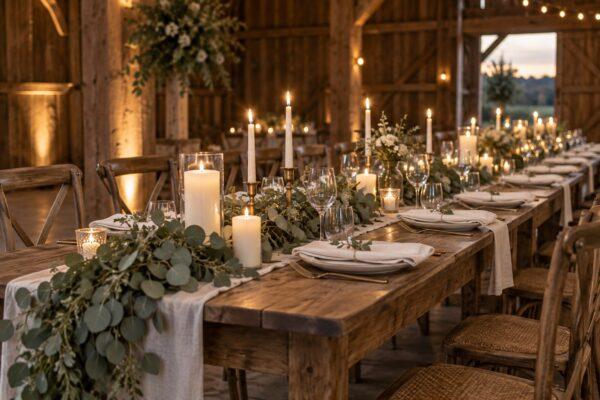
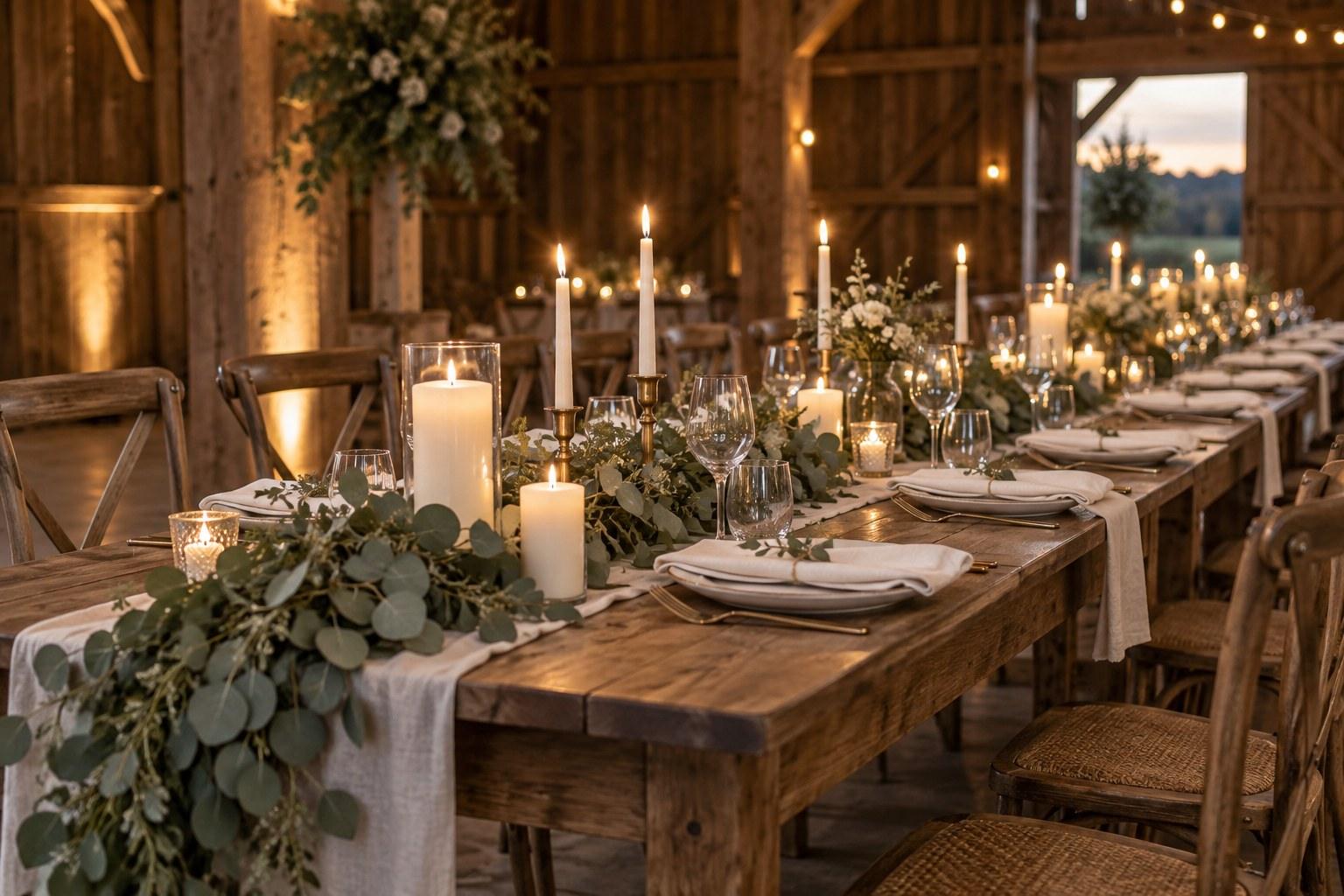
White florals, trailing eucalyptus, clear glass, white candles, repeat. It photographs cleanly and it’s hard to get wrong — which is exactly the problem. It says “wedding” but it doesn’t say anything about this wedding.
Heavy rustic: hessian, mason jars and wine barrels
Rustic styling had a huge moment, and natural texture isn’t going anywhere. What feels tired is the costume version — hessian runners, jars on every surface, barrels as bars, chalkboards with puns. It now reads as a particular era rather than a particular couple.
The oversized neon sign as the centrepiece
A neon sign can be fun. But when it becomes the whole design — the one feature every guest photo is built around, with the same handful of phrases seen at wedding after wedding — it flattens everything else in the room. It’s a prop, not a concept.
Wall-to-wall pampas and dried everything
Dried florals brought gorgeous texture and a longer life to wedding design. Then they went on every table, arch, aisle and cake until the whole room turned one shade of beige.
Balloon garlands as the default
Balloon installs can be joyful and completely right for a playful brief. The issue is using them because they’re quick and cheap to fill a wall, not because they suit the couple.
Generic Pinterest board replicas
A photo was styled for a different room, different light, different budget and different people. Recreating it detail for detail almost never works — the proportions are off, the palette fights the venue, and the couple ends up with a slightly disappointing copy instead of an original.
Single-use props bought for one day
Custom acrylic this, printed foam-board that, a hundred plastic somethings from overseas that will never be used again. Couples are increasingly questioning the waste, and so should you.
What stylists are doing instead
Here’s the good news: what’s replacing these looks is more interesting to design and far more valuable to sell. It’s the kind of thinking we build into the Certificate in Wedding Styling — design from principles, not from a feed.
Styling that responds to the venue and architecture
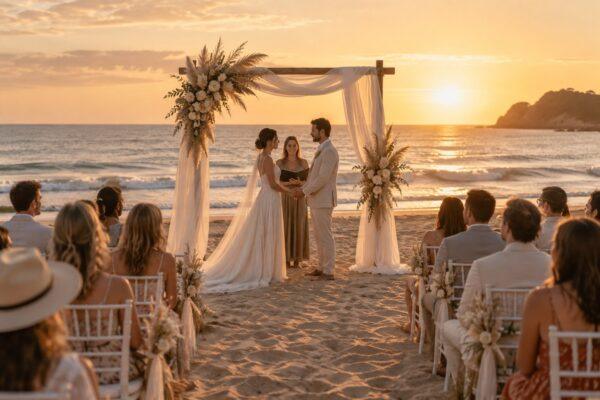
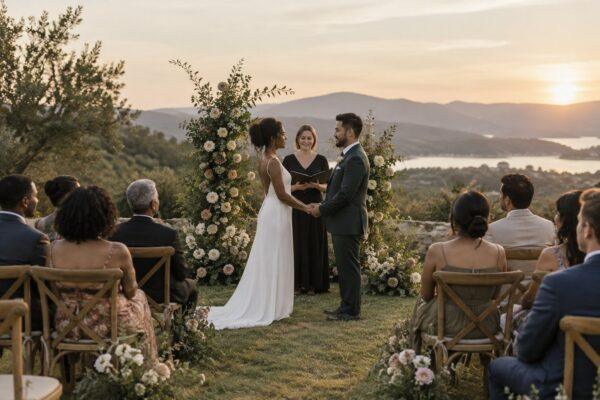
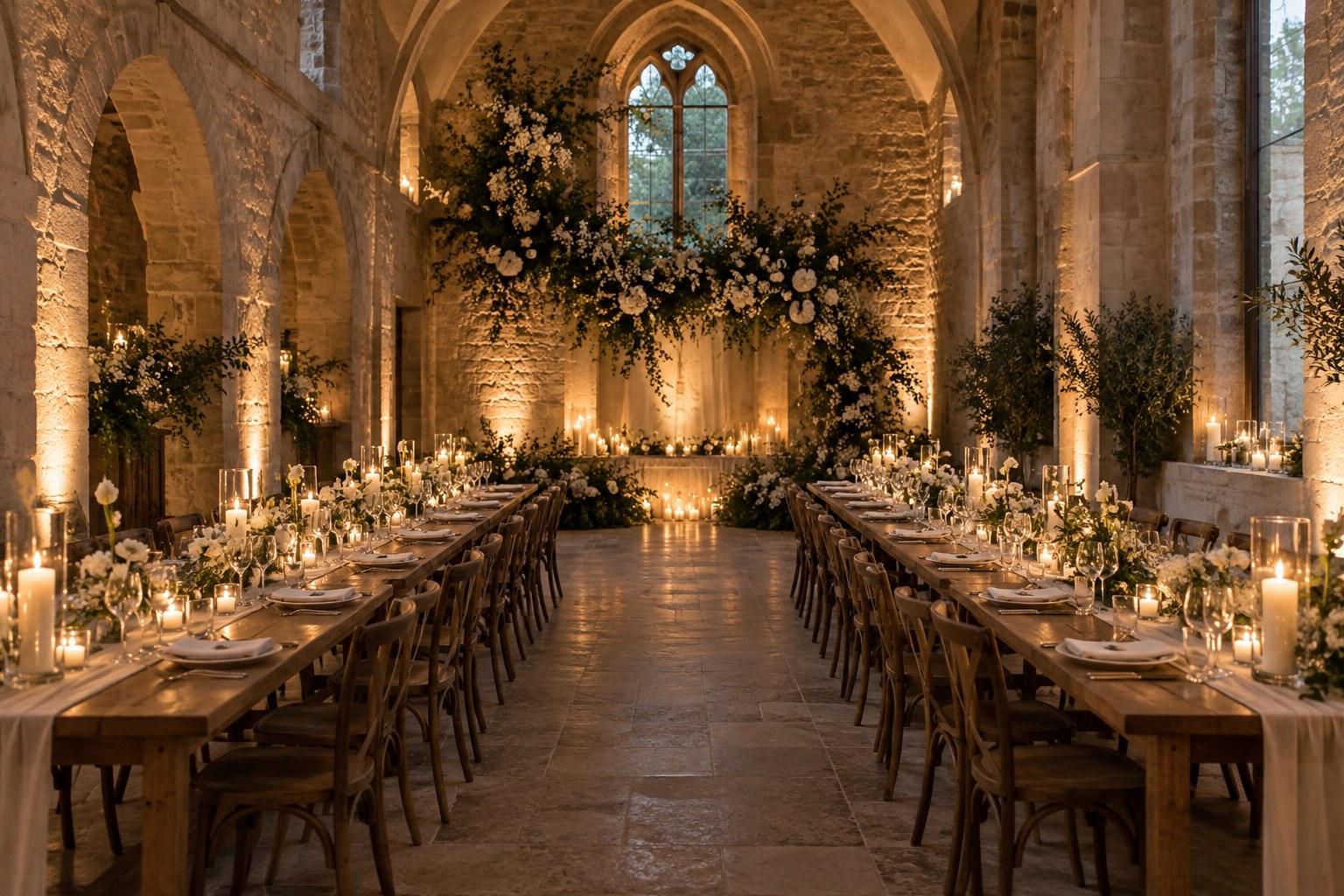
Start with the room. Arched windows, raw stone, a timber ceiling, an industrial warehouse, a garden with a view — the venue is your biggest design asset, and the best styling works with it. Pull colour from the building, frame the architecture rather than hiding it, and let the space tell you what it needs. Venue-led styling is almost impossible to date, because it was never copied from anywhere.
Personal and meaningful details
Family heirlooms on the welcome table. A grandmother’s recipe on the menu. Florals from the town where the couple met. Linens in the colour of the house they grew up in. Personal details can’t be bought in a kit, which is exactly why they last.
Colour used with confidence
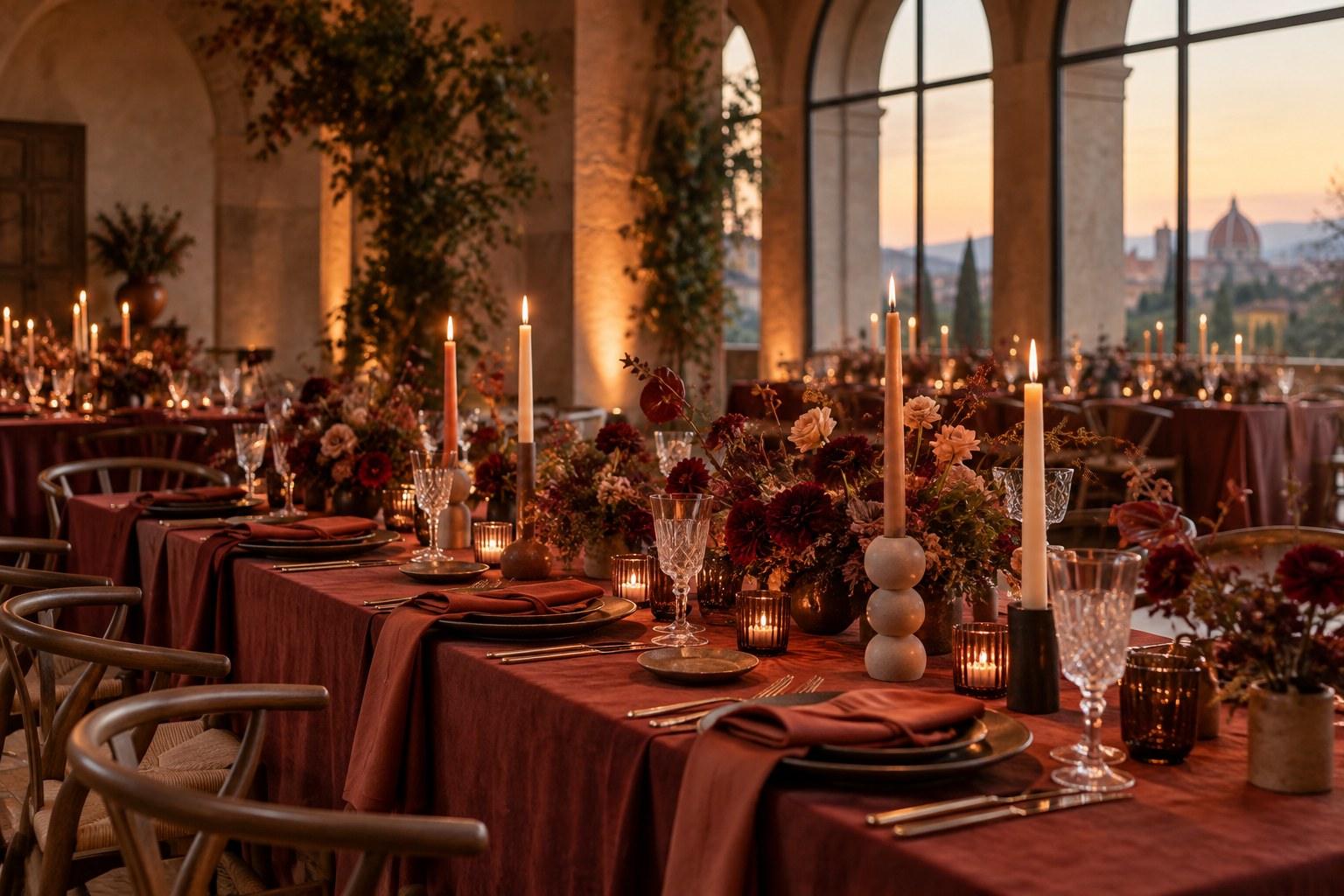
After years of neutral-everything, more couples are open to real colour — terracotta, burgundy, olive, deep blue, even clashing brights done deliberately. Confident doesn’t mean loud; it means intentional. One considered palette carried through linen, florals, stationery and candles looks far more designed than a room full of “blush and sage” by default.
Texture and layering
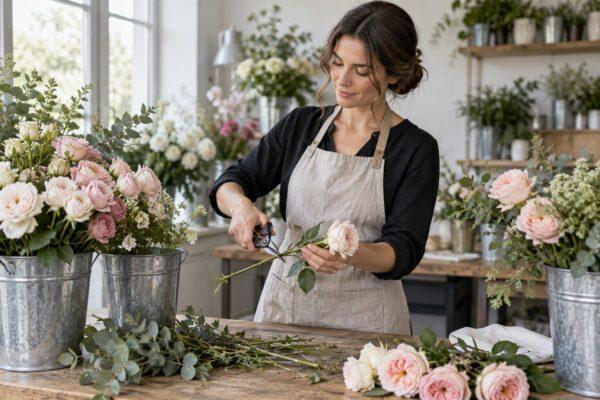
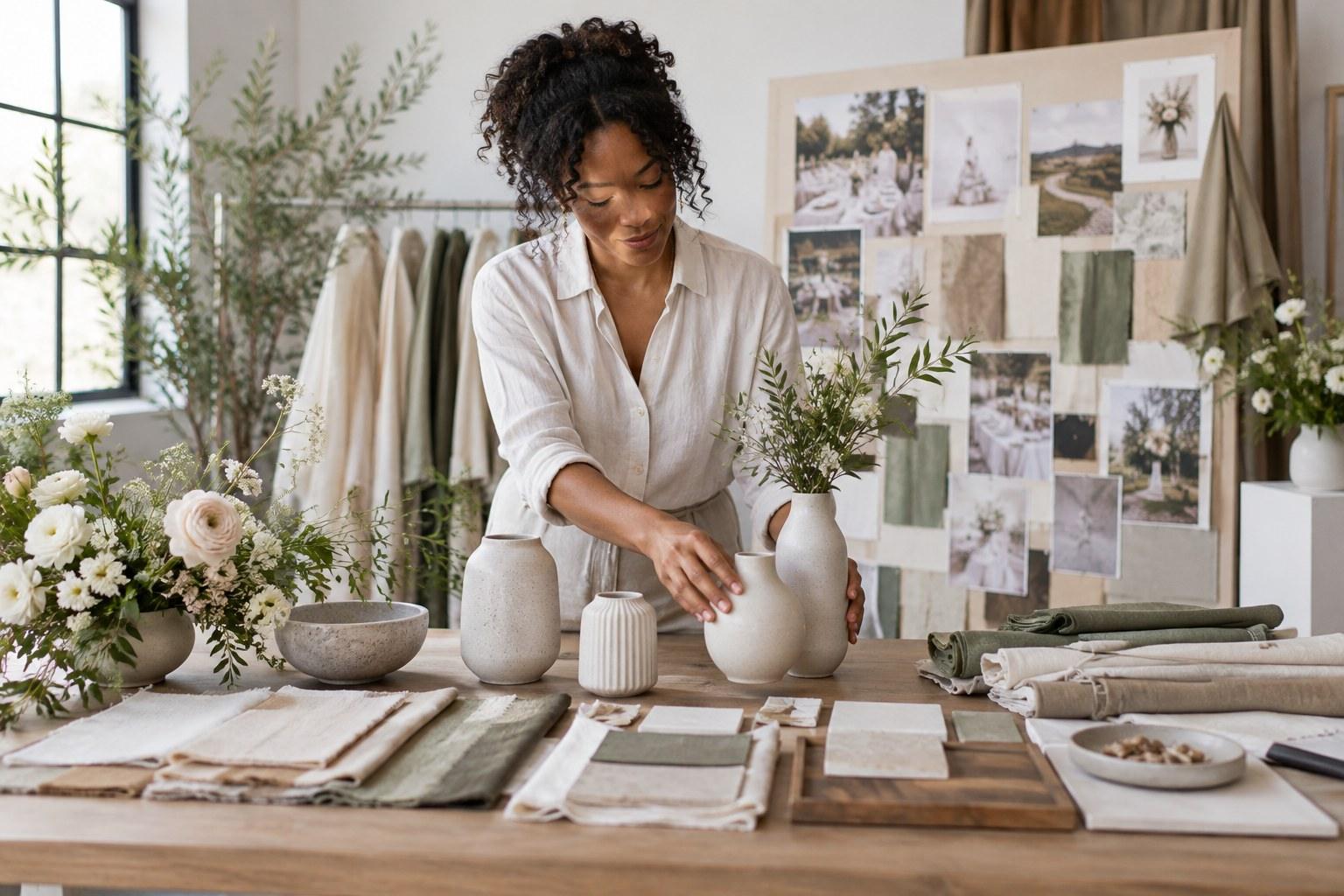
Instead of one material repeated everywhere, stylists are layering: washed linen against stoneware, glass against timber, fresh blooms with a single dried accent. Texture gives photos depth and gives guests something to notice up close. If you want to get serious about the floral side of layering, the Certificate in Floral Design is a natural next step.
Hired and reusable decor
A reusable hire inventory is better for the planet and better for your business. Pieces that move from ceremony to reception, that you can restyle for the next wedding, that don’t need to be bought and binned.
Fewer, bigger statement moments
Rather than sprinkling small decorative bits across every surface, stylists are concentrating budget into one or two moments that genuinely stop people — a hanging installation over the head table, a ceremony backdrop that frames the view, a long table that becomes the whole room.
Lighting as a styling tool
Lighting is the most underrated styling tool in the kit. Clustered candlelight, warm festoon, uplighting on stone walls, pin spots on florals — the same room can feel completely different at 9pm depending on how it’s lit. Plan lighting as part of the design from day one, not something you remember at the final walkthrough.
Tired wedding styling trends vs what to try instead
Use this as a quick reference when a client brief lands — or share a version of it when you’re guiding a couple towards something more personal.
| Fading look | Why it feels tired | What to try instead |
|---|---|---|
| All-white-and-greenery everywhere | Safe to the point of invisible — it could be any wedding, in any venue, in any year | One confident colour story pulled from the venue, the season or the couple |
| Hessian, mason jars and wine barrels | Reads as a specific era rather than a specific couple | Natural texture done with restraint — linen, timber, stoneware, handmade ceramics |
| Oversized neon sign as the centrepiece | The sign becomes the whole design, and the same phrases appear at wedding after wedding | A personal focal point — heirloom pieces, a meaningful quote in the couple’s handwriting, or light used architecturally |
| Wall-to-wall pampas and dried everything | Once it’s on every surface, texture turns into beige noise | Dried elements as one accent layer inside fresh, seasonal florals |
| Balloon garlands by default | Chosen because it’s quick, not because it suits the brief | Use them only when the brief is playful — otherwise invest in one statement install |
| Pinterest board replicas | Copying a photo ignores the room, the light and the budget it was styled for | Treat the board as a mood reference, then design for the actual space |
| Single-use props bought for one day | Expensive, wasteful and destined for a garage or landfill | Hired, reusable and repurposed decor that works across ceremony and reception |
Trends aren’t wrong — blindly copying them is
Let’s be fair. Every look on that list has been done brilliantly by someone. A neon sign in a cool warehouse for a couple who actually own one? Great. Balloons for a colourful, playful party? Fun. Dried florals in a desert-toned venue? Perfect.
The test isn’t “is this trendy?” It’s “will this still feel like them in twenty years?” Photos last a lifetime. You want couples to look back and see themselves, not the year they got married.
How to talk couples out of a tired trend gracefully
You won’t win anyone over by telling them their dream look is dated. Here’s how experienced stylists guide clients without bruising anyone:
- Ask what they love about it. “What draws you to this?” often reveals the real goal — cosy, relaxed, fun, romantic — which you can deliver in a fresher way.
- Show, don’t lecture. A quick alternative mood board or sample table lands far better than your opinion.
- Anchor it to their venue. “This would look amazing in a barn — in your sandstone hall, let’s try this instead” is about fit, not taste.
- Keep one element. Love pampas? Keep it as a single accent. Couples feel heard, and the design stays balanced.
- Respect the final call. If they still want it, style it beautifully. It’s their wedding — your job is guidance, not control.
Handled well, this conversation builds huge trust. Couples realise you’re protecting their day, not pushing your taste — and that’s what turns clients into referrals.
Build a styling eye that doesn’t date
The stylists who stay in demand aren’t the ones who chase every trend first. They’re the ones who understand why things work — colour, proportion, texture, light and space — so they can design something fresh for every couple. That’s a skill you can learn.
Our Certificate in Wedding Styling teaches exactly that: design principles, client briefs, styling for different venues, and building a styling business couples want to book. Working alongside planners too? The Certificate in Wedding Planning pairs beautifully with it.
Wedding styling trends fading out: FAQs
What wedding styling trends are fading out?
Many stylists feel the copy-paste all-white-and-greenery look, heavy rustic hessian and mason jars, neon signs as the main feature, dried-everything styling, default balloon garlands and exact Pinterest replicas are starting to feel tired. That’s an industry view, not a rule — any of them can still work when they genuinely suit the couple and the venue.
What is replacing tired wedding styling trends?
Styling that responds to the venue’s architecture, colour used with confidence, texture and layering, personal details with real meaning, hired and reusable decor, fewer but bigger statement moments, and lighting treated as a design tool rather than an afterthought.
How do I talk a couple out of a dated wedding trend?
Ask what they love about it first, then offer a version that keeps that feeling but suits their venue and personality. Show, don’t lecture — a quick visual alternative lands far better than an opinion — and if they still want it, style it beautifully.
Is it wrong to follow wedding trends?
No. Trends aren’t the problem — copying them without thinking is. A trend works when it’s chosen because it suits the couple, the space and the season, not because it’s everywhere this year.
How can wedding stylists make styling more sustainable?
Build a reusable hire inventory, repurpose ceremony pieces for the reception, choose seasonal and local florals, and steer couples away from single-use props and plastics. Sustainability is also a strong selling point when you explain it clearly.
Ready to design weddings that feel personal, considered and built to last? Take the next step and join the Certificate in Wedding Styling today. ✨