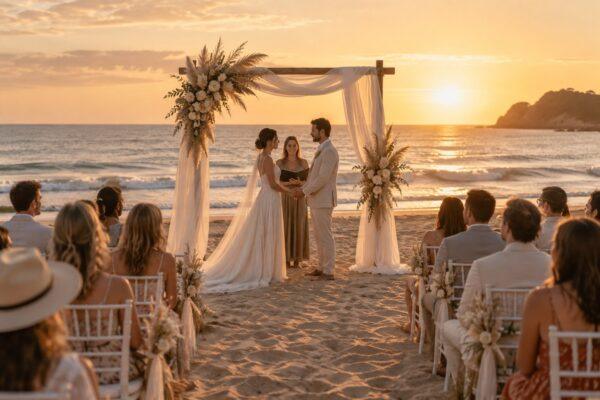
Here’s the trap with micro weddings: the guest list shrinks, so everyone assumes the planning shrinks with it. It doesn’t. A wedding for twelve people still needs a venue, a legal ceremony, a celebrant, food, photography, a plan for rain and someone who knows exactly what happens at 4:15pm. The guest count changes the scale — not the number of moving parts.
That’s why a proper micro wedding timeline is one of the most valuable things you can hand an intimate-wedding couple. Small guest lists still need a full-scale timeline. In some ways they need a tighter one, because there’s nowhere to hide: every guest sees every detail, and every gap in the day is felt.
This guide walks you through both halves of the job — the planning timeline that runs from first conversation to wedding week, and the day-of run sheet that keeps the actual celebration flowing. Treat every lead time here as a flexible range you adapt to the couple, the location and the season, not a rule carved in stone.
Why a micro wedding timeline matters more than you think
Couples choose micro weddings for all sorts of reasons — intimacy, budget, a non-traditional venue, a wish to actually talk to every guest. What they rarely choose is chaos. Yet a small wedding planned loosely tends to wobble in very specific ways:
- A restaurant private room that needs the tables reset between ceremony and dinner, with no one assigned to do it
- A private home or garden venue with no power plan, no bathroom plan and no neighbour plan
- Legal paperwork left too late because “it’s only a small one”
- A photographer booked for two hours who misses the toasts
- Guests standing around for forty minutes because nobody planned what they do during portraits
None of those are big-wedding problems. They’re micro wedding problems, and a clear timeline prevents almost all of them. Planning intimate celebrations well is a genuine specialism — it’s exactly why we built the Certificate in Intimate, Micro and Destination Weddings.
How far in advance should you plan a micro wedding?
Honest answer: it depends. Some micro weddings come together in a few weeks; others take a year because the couple has their heart set on one restaurant, one photographer or one season. What changes the lead time isn’t the guest count — it’s availability, legal requirements and how many custom elements are involved.
Use the table below as a starting framework. The timeframes are examples only — compress them for an elopement-style celebration, stretch them for a peak-season Saturday or an overseas location.
| Phase | Timeframe (example) | Key tasks |
|---|---|---|
| Vision and guest list | As early as possible | Define the feel of the day, confirm the guest list, agree priorities |
| Budget | Alongside the vision | Set the total, decide where the per-guest spend goes, build a contingency |
| Venue | Several months out (longer for popular spots) | Shortlist restaurants, homes, gardens or rentals; confirm permissions and restrictions in writing |
| Legal requirements | Check immediately, act within local deadlines | Research local marriage rules, notice periods, documents and celebrant or officiant requirements |
| Key vendors | Soon after the venue is locked | Book celebrant, photographer, catering, florals; clarify who covers what |
| Design | A few months out | Tablescape, florals, stationery look, guest experience touches |
| Invitations | Allowing time for travel and RSVPs | Send invites or personal messages, collect dietary and accessibility needs |
| Final details | Last month or so | Confirm numbers, finalise run sheet, rain plan, vendor confirmations |
| Week-of | Final week | Walkthrough, deliveries, payments, emergency kit, final briefing |
The micro wedding planning timeline, phase by phase
1. Vision and guest list
Start here, always. In a micro wedding, the guest list is the vision — the couple is choosing a handful of people to share something personal with. Get the list confirmed early and ask the hard question gently: who are they not inviting, and how will that be communicated?
Then nail the feel. Long, slow lunch? Candlelit dinner? Sunrise ceremony and brunch? Three or four words that describe the day will guide every decision after this.
2. Budget — and why per-guest spend goes further
Fewer guests usually means more budget per person, and that’s the secret weapon of a micro wedding. Help the couple decide where that money creates the most experience — a better menu, a wine pairing, a personalised gift at every seat, a photographer for longer, a private chef. Build in a contingency too; small budgets feel every surprise.
3. Venue: restaurants, homes, gardens and rentals
Micro weddings open up venues that could never hold a big wedding — a favourite restaurant’s private room, a family home, a botanic garden, a rooftop, a holiday rental. Gorgeous options, but non-traditional spaces come with restrictions you need to find before the deposit is paid:
- Permission. Holiday rentals and Airbnbs often prohibit events. Get explicit written permission from the host — never assume.
- Noise and curfew. Residential areas and restaurants may have strict cut-off times.
- Permits. Public gardens, parks and beaches may require a booking or permit — check with the local council or authority.
- Logistics. Power, bathrooms, parking, access for vendors, kitchen facilities and a wet-weather option.
4. Legal requirements: check local rules first
Marriage laws vary by country — and sometimes by state or region. Notice periods, required documents, witness numbers, who can legally officiate and whether a ceremony abroad is recognised at home all differ. Don’t rely on memory or a forum post. Check the official government source for the location, and if it’s complicated, have the couple confirm with a registered celebrant or the relevant registry office. Put the real deadlines into your timeline the day you find them.

5. Key vendors — fewer of them, wearing more hats
A micro wedding might have a celebrant, a photographer, a restaurant and a florist — and that’s it. That’s lovely and lean, but it means everyone wears more than one hat. The restaurant manager may be your venue coordinator, caterer and bar team at once. The photographer may also be your unofficial timekeeper during portraits. Clarify every role in writing: who sets up, who styles, who clears, who handles the cake, who plays the music.
6. Design: every detail is seen
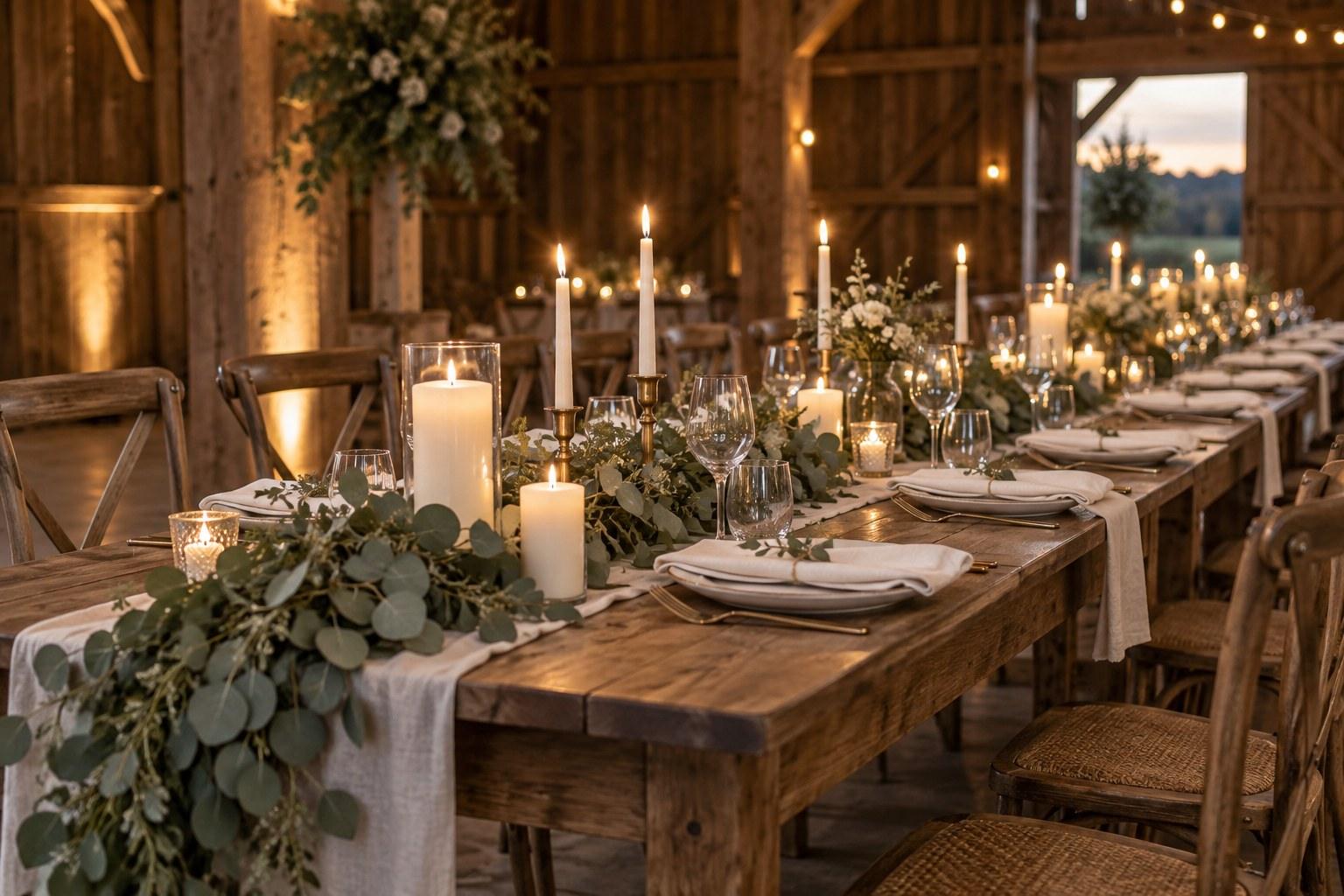
With twelve guests at one table, nobody’s glancing at the centrepieces from across a ballroom — they’re sitting right in front of them all night. Details matter more, not less. Think tactile: napkins, menus, glassware, handwritten place cards, candlelight. If you love this side of the work, the Certificate in Wedding Styling goes deep on building a cohesive look.
7. Invitations and guest communication
Micro wedding invitations can be anything from letterpress to a heartfelt personal message — but the timing still matters. Give guests enough notice to arrange travel, leave and childcare, especially for a destination. Collect dietary requirements, allergies and accessibility needs with the RSVP, not three days before.
8. Final details
In the last month or so: confirm final numbers, lock the run sheet, send it to every vendor, confirm the rain plan, finalise the menu and seating, and make sure the legal paperwork is done or booked. This is also when you script the small moments — who welcomes guests, who gives a toast, when the couple sneaks off for portraits.
9. Week-of
Walk the venue if you can. Confirm deliveries and access times, pack your emergency kit, settle outstanding payments as per contracts, and do one final briefing with every vendor. Then print the run sheet. Yes, print it — phones die.
Want templates and a proven process for every one of these phases? That’s the backbone of the Certificate in Intimate, Micro and Destination Weddings.
Micro wedding day-of timeline: an example run sheet
Here’s a sample day-of micro wedding timeline for an afternoon ceremony followed by a long-lunch-into-dinner reception. The times are an example only — adjust for sunset, venue curfew, travel between locations and the couple’s priorities.
- 11:00am — Planner and florist arrive; venue setup and styling begins
- 12:00pm — Photographer arrives for getting-ready and detail shots
- 1:30pm — Setup complete; planner checks ceremony space, sound and seating
- 2:00pm — Guests arrive; welcome drink and greeting
- 2:30pm — Ceremony begins
- 3:00pm — Signing, congratulations and a quick group photo
- 3:15pm — Canapés and drinks for guests; couple portraits nearby
- 4:00pm — Couple rejoins guests; everyone seated for the long lunch
- 5:30pm — Speeches and toasts between courses
- 6:00pm — Cake or dessert; golden-hour portraits if the light allows
- 7:00pm — Relaxed evening: music, conversation, a first dance if planned
- 8:30pm — Farewell; vendor pack-down within venue rules
Notice what’s built in: buffers. Micro weddings feel unhurried because the timeline makes room for lingering. Don’t fill every minute just because you can.

Micro-specific considerations to build into your timeline
Every guest is visible — so hospitality is everything
At a big wedding, a guest who’s waiting for a drink disappears into the crowd. At a micro wedding, the couple notices immediately. Schedule hospitality like it’s a vendor: welcome drinks the moment guests arrive, food during portraits, a comfortable spot for older guests, a clear plan for kids. Hospitality is the experience.
Photography timing with a small group
The upside: family photos are quick when the whole family fits in one frame. The catch: when the couple leaves for portraits, the “party” is a handful of people standing around. Keep couple portraits short and nearby, or split them — a few minutes after the ceremony, more at golden hour. And make sure the photographer’s coverage includes the speeches, because those are often the emotional peak of an intimate wedding.
Venue restrictions shape the run sheet
Restaurants may need the room back by a set time, or have a fixed kitchen service window. Private homes may have neighbour agreements on noise. Gardens may close at dusk. Build these limits into the timeline first, then fit the celebration inside them — not the other way round.
Multi-hat vendors need a clear brief
When the restaurant manager is also the bar, the AV and the room flipper, your run sheet needs to say exactly when each task happens. Send every vendor the same document, and highlight their lines.
Building strong planning foundations helps here too — the Certificate in Wedding Planning covers run sheets, vendor management and day-of coordination for weddings of every size.
Micro wedding timeline FAQs
How long does it take to plan a micro wedding?
It varies widely. Some come together in a few weeks, others take a year or more. Lead time depends on venue and vendor availability, local legal notice periods, travel for guests and how custom the design is — not just on the guest count.
Does a micro wedding need a run sheet?
Yes. Small guest lists still need a full-scale timeline. With fewer vendors covering more roles and every guest seeing every detail, a clear run sheet keeps the day relaxed instead of improvised.
Can you have a micro wedding at an Airbnb or private home?
Often, yes — but only with explicit written permission from the owner or host, since many rentals prohibit events. Check noise rules, parking, power, bathrooms and any local permit requirements before committing.
What legal requirements apply to a micro wedding?
The same as any wedding in that location. Requirements vary by country and region — notice periods, documents, witnesses and who can officiate. Always check the official local source and build those deadlines into the timeline early.
How long should a micro wedding reception last?
There’s no set rule. Many micro weddings favour a long lunch or dinner of a few hours, with speeches between courses. Work within the venue’s restrictions and leave buffers so the day feels unhurried.
Ready to make intimate and destination weddings your specialty? Learn the systems, templates and planning process behind beautiful small weddings — and start offering them with confidence. 💍