The best time to start a wedding planning course is usually a few months before your local peak wedding season — so you can study through the quieter months and launch with portfolio pieces, templates and a website ready to go. But because our courses are online and self-paced, the real answer is simpler: the best time is when you can commit consistent weekly time, and for most people that’s sooner than they think.
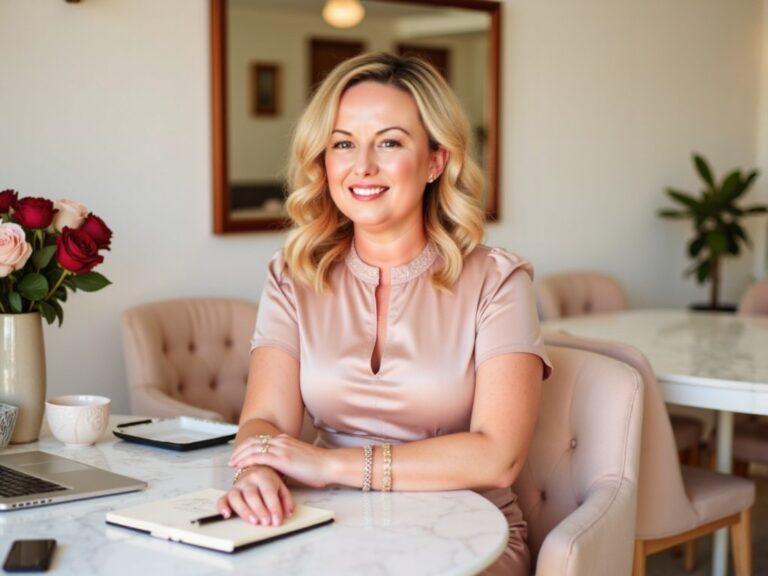
I’m Jac Bowie, Owner and CEO of The Wedding Academy, and “when should I start?” is one of the questions I hear most from people sitting on the edge of a decision. So here’s my honest take — when timing genuinely matters, when it doesn’t, and how to plan your first 90 days so the start date works for you instead of against you.
The best time to start a wedding planning course: the short answer
If you have total freedom, start in the off-season. If you don’t — and most people don’t — start in whichever month you can protect a few regular study sessions every week. Consistency beats calendar timing every single time.
The Wedding Academy has been teaching since 2004, and it’s 100% online. That means there’s no intake date to wait for and no semester to miss. You don’t need the stars to align — you need a plan, a calendar and a bit of honesty about your week.
Why starting before peak wedding season helps
Wedding seasons differ by hemisphere, region and even city — what’s peak in one market is quiet in another. So I won’t give you a month. Instead, look at your own local market and ask: when are most weddings happening here, and when are couples booking them? Then aim to finish the core of your study before that booking window opens.
Here’s why that matters:
- Enquiries tend to arrive ahead of the season. Couples usually book planners well before their wedding date, so you want to be visible and credible before the rush — not scrambling to build a website in the middle of it.
- You have time to create portfolio pieces. Styled shoots, mock timelines, sample proposals — these take time to organise, and photographers and venues often have more availability in quieter months.
- Vendor relationships form more easily. Venue coordinators, florists and photographers are far more likely to grab a coffee with a new planner when they’re not working every weekend.
- Your templates are ready before your first client. Contracts, questionnaires, budget trackers, run sheets — build them while you study, so your first enquiry gets a polished, professional response.

Should you start a wedding planning course while working full time?
Yes — and honestly, most people do. A self-paced online course is built for exactly this. The trick isn’t finding huge blocks of time. It’s finding a rhythm you can actually keep.
I won’t tell you a magic number of hours, because your week isn’t my week. What I will tell you is that small and regular wins over big and occasional. A couple of evenings a week plus a weekend morning, every week, will get you further than one heroic Sunday a month followed by three weeks of guilt.
Put your study sessions in your calendar like appointments. Tell the people you live with. Keep your course materials one click away. And when a week goes sideways — because it will — don’t restart from zero. Just pick up the next lesson.
Starting during a career change or parental leave
Some of the most focused students I see start at a turning point — a redundancy, a resignation, a sea change, or time at home with a little one. These moments can be brilliant for study because your identity is already shifting, and a course gives that shift a direction.
If you’re changing careers
Don’t burn the bridge before you’ve built the new one. Study while you still have income if you can, and use your current role to sharpen transferable skills — project management, budgeting, client communication, keeping your cool under pressure. Those skills matter enormously in weddings.
If you’re on parental leave
Be gentle with your expectations. Nap-time study is real study. Short lessons, a notebook beside the couch, and a loose weekly goal will keep you moving without adding pressure. The beauty of self-paced learning is that it bends around your life — not the other way round.
Why “waiting for the perfect time” costs you
I’ll be blunt: the perfect time doesn’t exist. There’s always a busy month at work, a holiday, a renovation, a birthday, a reason. And every season you wait is a season you’re not building skills, portfolio or contacts.
Waiting also has a sneaky cost — it lets doubt grow. The longer you sit on a dream, the bigger and scarier it gets. Starting shrinks it back down to a lesson, then a template, then a styled shoot, then a first enquiry. Momentum is the antidote to overthinking.
If you’ve been circling this for a while, the Advanced Certificate in Wedding Planning, Styling and Business is the one I point people to when they want the whole picture — planning, styling and the business side — in one go, so they’re not piecing it together later.
When you start vs what you get: a quick comparison
| When you start | Advantage | Watch out for |
|---|---|---|
| Off-season, a few months before peak | Time to study, build templates and shoot portfolio pieces before enquiries pick up | Losing momentum over holidays — set weekly study goals |
| Right before or during peak season | You can observe real weddings and vendors in action while you learn | Busy weekends squeezing study time; launching mid-rush without materials ready |
| Alongside a full-time job | Income stays steady while you build skills and confidence | Overcommitting — choose a rhythm you can keep every week |
| During a career change | High motivation and a clear reason to move fast | Quitting income too early before your business is ready |
| On parental leave | Flexible days and a natural pause to rethink your career | Unrealistic expectations — short sessions still count |
| Already working in events | Real-world experience to apply straight away | Your own event calendar crowding out study — plan around it |
Your first 30, 60 and 90 days of study
Whenever you start, give your first three months a shape. This isn’t a rigid schedule — it’s a set of milestones so you always know what “progress” looks like.
Days 1–30: build the habit and the foundations
Lock in your weekly study rhythm. Work through the core planning lessons. Start a “business ideas” document for your name, niche and the kind of couples you want to work with. Follow local venues and vendors and start noticing who works with whom.
Days 31–60: turn lessons into tools
Start building your own templates — a client questionnaire, a budget tracker, a timeline. Sketch your packages. Reach out to a couple of local suppliers just to introduce yourself. Begin planning a small styled shoot with a photographer who’s also building their portfolio.
Days 61–90: get visible
Run your styled shoot. Set up a simple website and social profiles. Write your first proposal template. Lean into the business and marketing material — if that’s where you feel shakiest, the Certificate in Wedding Business & Marketing goes deep on exactly this. By day 90 you want to be able to answer an enquiry with confidence.

Signs you’re ready to start a wedding planning course
- You keep coming back to the idea, months or even years later.
- Friends already ask you to help plan their parties, showers and weddings.
- You love a spreadsheet and a beautiful tablescape — logistics and creativity both light you up.
- You can see a few hours a week you’re willing to protect.
- You’re more curious than scared — or at least equally both. 😉
You don’t need to tick every box. If three of those sound like you, you’re ready enough. Readiness grows once you begin — it rarely shows up first.
Already working in events? Plan your study around the wedding calendar
If you’re a venue coordinator, florist, stylist or hospitality pro, your weekends are probably spoken for in peak season. That’s fine — work with it, not against it.
- Front-load study in your quiet months. Get through the heavier content when your calendar opens up.
- Switch to “light mode” in peak season. Short lessons midweek, and use your actual events as live case studies — notice what the planner does, what goes wrong and how it’s fixed.
- Keep a field notebook. Every wedding you work is research. Jot down timelines, vendor dynamics and client questions to bring back to your coursework.
- Fill your gaps, not your strengths. If you already know styling, spend your energy on planning process or business. The Certificate in Wedding Planning is a focused option if planning logistics is your missing piece.
Want something to read before you enrol, or alongside your lessons? My Wedding Planners Handbook ebook is a great companion — handy on your phone during a quiet lunch break.
And if you want to go all in — planning, styling and building the business properly — the Advanced Certificate is where I’d start.
Best time to start a wedding planning course: FAQs
What is the best time of year to start a wedding planning course?
Usually a few months before your local peak wedding season, so you can study through the quieter months and launch with templates and portfolio pieces ready. Seasons differ by region, so check when couples in your area book. Because the course is online and self-paced, the most important factor is having consistent weekly time.
Can I start a wedding planning course while working full time?
Yes. Self-paced online study is designed to fit around a job. Choose a realistic weekly rhythm — a couple of evenings and a weekend session, for example — and schedule it like an appointment. Regular small sessions work better than occasional big ones.
Is there an intake date for The Wedding Academy courses?
The Wedding Academy is 100% online and self-paced, so you don’t have to wait for a semester or intake to begin. You can start when it suits you and study around your own calendar.
Should I wait until I have more free time to start?
Usually not. The perfect time rarely arrives, and every season you wait is a season without new skills, portfolio pieces or vendor contacts. Start with a small, protected weekly study habit and build from there.
I already work in events — when should I study?
Front-load the heavier coursework in your quiet months, switch to shorter lessons during peak season, and treat the events you work as live case studies. Focus your study on the gaps in your skills rather than what you already know.
So — when should you start? Sooner than you think. Pick your week, protect your study time and let the momentum do the rest. I’d love to see you inside.
— Jac x