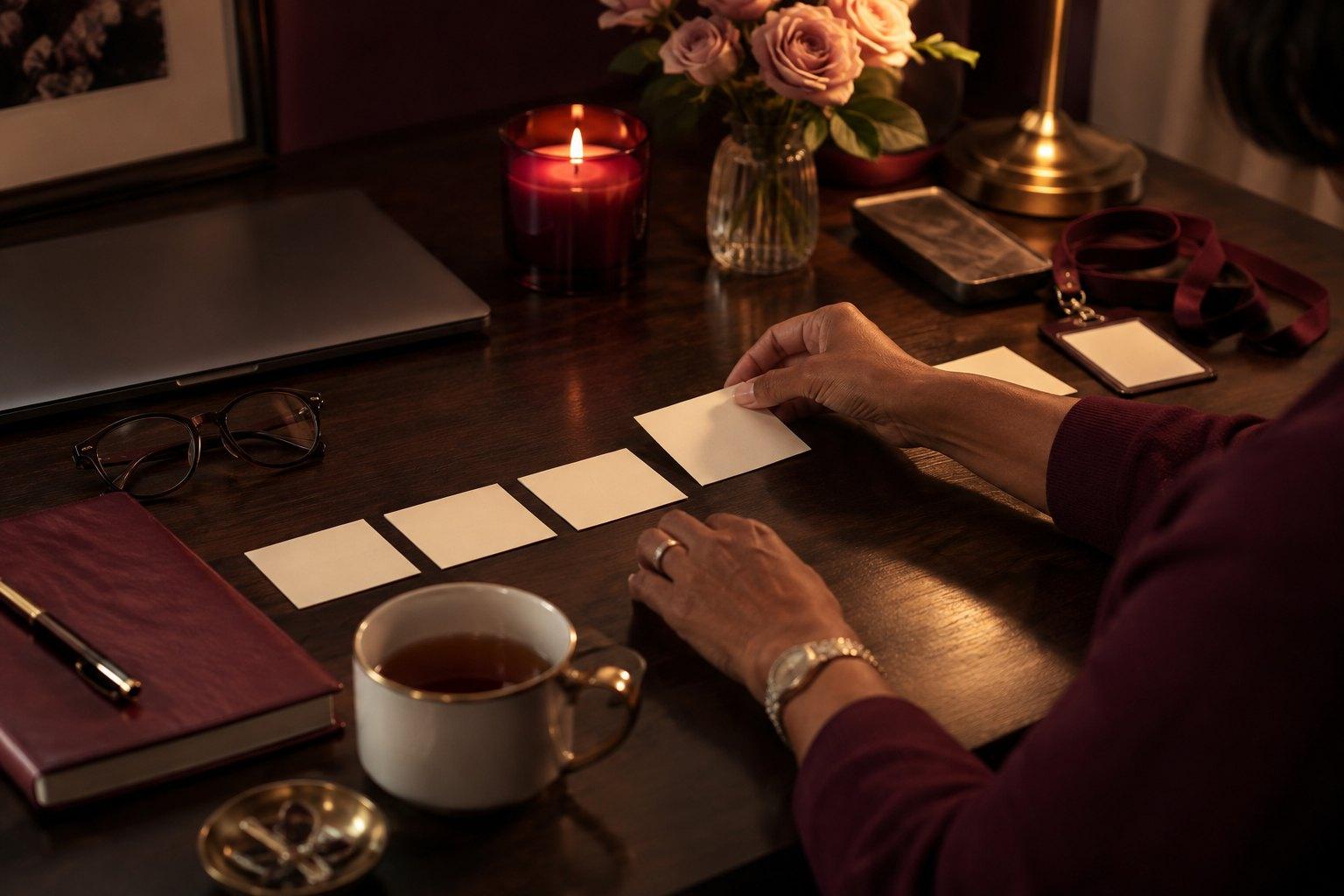
The most important wedding planner skills are organisation, communication, calm problem-solving, budgeting, people skills and attention to detail — and many people already have them from nursing, teaching, hospitality, administration, project management, retail or corporate events. What career changers usually need to add is wedding-specific knowledge: how weddings are structured, how to manage vendors, styling, contracts and the business side.
If you’ve been wondering whether you’re “qualified” to plan weddings, start by looking at what you already do well. You may be much closer than you think.
Why transferable skills matter in wedding planning
Wedding planning is a blend of project management, customer service, creative direction and crisis management, wrapped in a lot of emotion. Very few people arrive with every piece. But most people who’ve worked in a demanding job arrive with several.
That matters because the hardest parts of planning — staying calm when things go wrong, managing difficult conversations, keeping a hundred details straight — are learned through experience. If you’ve built those muscles elsewhere, you’re not starting from zero. You’re re-pointing skills you already have.
The core wedding planner skills (and where they come from)
Organisation and time management
Weddings run on timelines: months of planning milestones, then a wedding day timed to the minute. If you’ve managed diaries, rosters, lesson plans, shifts or projects, you already know how to break big goals into steps and keep them moving.
Communication
Planners communicate constantly — with couples, families, venues, florists, photographers, celebrants and caterers. Clear emails, confident phone calls and diplomatic conversations are daily work. Anyone who’s explained complex information to patients, parents, clients or customers brings a head start.
Calm under pressure
Something always goes off-script on a wedding day: a late delivery, a missing button, a downpour, a nervous speech-giver. The skill isn’t preventing every problem — it’s solving it quietly so the couple never notices. Nurses, paramedics, flight attendants, hospitality managers and teachers often excel here.
Budget management
Couples rely on planners to help allocate and track spending, compare quotes and avoid surprises. If you’ve managed departmental budgets, procurement, household finances for a family business or event budgets, you’ll recognise the discipline.
People skills and emotional intelligence
Couples are making emotional, high-stakes decisions — often with opinions from family. Planners need empathy, tact and the ability to read a room. These are some of the most valuable wedding planner skills, and they’re built in caring, teaching and service roles.
Attention to detail
Spelling names correctly on place cards, double-checking dietary requirements, confirming arrival times — details are where planners earn trust. Admin professionals, accountants and lab or healthcare workers often have this instinct built in.
Creativity and a visual eye
Not every planner is a stylist, but most couples want help shaping how their wedding looks and feels. If you’ve worked in design, photography, fashion, interiors, visual merchandising or even run a carefully curated social account, you’ll find styling conversations come naturally.
Negotiation and decision-making
Couples face hundreds of decisions. Planners narrow options, recommend confidently and negotiate with suppliers on scope and timing. Sales, procurement and management roles build this instinct.
Career backgrounds that translate well
| Previous career | Skills that transfer | Wedding planning strength |
|---|---|---|
| Nursing and healthcare | Calm in a crisis, triage, empathy | Wedding day problem-solving and reassurance |
| Teaching | Group management, clear instructions, patience | Rehearsals, wedding parties and family dynamics |
| Hospitality | Service, timing, food and beverage knowledge | Reception flow and vendor coordination |
| Executive or personal assistant | Diaries, detail, discretion | Planning timelines and client communication |
| Project management | Scope, budget, stakeholders, risk | Full-service planning and logistics |
| Retail and sales | Listening, recommending, closing | Discovery calls and proposals |
| Corporate events | Venue sourcing, run sheets, suppliers | Large weddings and multi-day events |
| Creative roles | Visual eye, concepts, trends | Wedding styling and design direction |
Notice that every background brings something — and every background has gaps.
The skills you’ll likely need to add
Transferable skills get you a long way, but weddings have their own knowledge base. Most career changers need to learn:
- Wedding structure and etiquette — ceremony formats, reception running order, traditions from different cultures and faiths, speeches, processionals and seating protocol.
- Vendor management — what each supplier does, how to brief them, what to look for in quotes and how to coordinate them on the day.
- Timelines and run sheets — realistic planning schedules (often 6-18 months for a full wedding) and minute-by-minute wedding day plans.
- Styling and design — colour, layout, florals, lighting and how to translate a couple’s vision into a cohesive look.
- Legal and contract basics — client contracts, vendor agreements and marriage requirements, which differ by country. Always check with the relevant authority and have a lawyer review your contracts.
- The business side — pricing, packages, branding, marketing, sales and client systems.
That’s where structured study helps. The Advanced Certificate in Wedding Planning, Styling & Business is designed to cover exactly these three areas together, so you can combine the skills you already have with the wedding knowledge you don’t yet.
How to audit your own wedding planner skills
Before you invest time or money, try this simple exercise.
- List your last three jobs or major roles. Include volunteering, community groups and organising family events.
- Write down five things you did well in each. Be specific: “managed a roster of 30 staff” is better than “organised”.
- Map each to a planning skill — organisation, communication, pressure, budget, people, detail, creativity.
- Mark your gaps. Where have you had little experience?
- Choose how to fill them — study, volunteering, assisting an established planner, or styling shoots.
You’ll probably find your list of strengths is longer than expected — and your gaps are specific and learnable. Keep this list. It becomes the backbone of your study plan, your About page and the story you tell couples about why you’re the right person to plan their wedding.
Habits that don’t always transfer
Some habits from other careers need adjusting. Corporate professionals may be used to formal, efficient communication — couples often want more warmth. Hospitality pros may be used to someone else handling sales. Creatives may need to get more comfortable with spreadsheets and contracts. And anyone moving from employment to self-employment will need to learn to market themselves, price their time and manage cash flow. None of this is a reason not to start — it’s simply worth knowing where to focus.
How to talk about your background to couples
Career changers sometimes hide their past careers, worried it makes them look inexperienced. Do the opposite. Your background is part of your story and can be a real selling point.
A former nurse might say: “I spent years staying calm in emergencies — your wedding day is in safe hands.” A former teacher: “I’ve managed rooms full of excitable people. Your wedding party will be on time.” Used honestly, your previous career becomes a reason to trust you.
Getting real-world experience
Alongside study, practical experience accelerates your confidence:
- Assist an established planner on weddings to see how the day really runs.
- Help with friends’ and family weddings — with clear boundaries.
- Collaborate on styled shoots to build a portfolio and vendor relationships.
- Volunteer at events to practise logistics and timing.
- Plan a mock wedding from enquiry to run sheet, start to finish, as a portfolio exercise.
Learning resources for career changers
If you’d like to understand the role before committing, The Wedding Planner’s Handbook by Jac Bowie is a practical guide to how wedding planning works, from client meetings and vendors to timelines and the wedding day. When you’re ready to train properly, the Advanced Certificate in Wedding Planning, Styling & Business brings planning, styling and business into one 100% online program. If you only want to focus on planning first, the Certificate in Wedding Planning is a great place to start. The Wedding Academy has trained more than 11,000 students online since 2004 — many of them career changers.
Frequently asked questions
What skills do you need to be a wedding planner?
Key wedding planner skills include organisation, time management, communication, calm problem-solving, budgeting, people skills, attention to detail and a good visual eye, plus wedding-specific knowledge of vendors, etiquette and timelines.
Can I become a wedding planner without experience in weddings?
Yes. Many planners come from other careers and bring transferable skills. You’ll need to add wedding-specific knowledge and practical experience, through study, assisting other planners and styled shoots.
Which careers make good wedding planners?
Nursing, teaching, hospitality, executive assistance, project management, retail, corporate events and creative roles all transfer well, each bringing different strengths to planning.
What do career changers usually need to learn?
Most need to learn wedding structure and etiquette, vendor management, timelines and run sheets, styling, contract basics and the business side of pricing, marketing and sales.
Should I mention my previous career to wedding clients?
Yes. Framed honestly, your background can build trust — for example, explaining how years in healthcare or teaching help you stay calm and organised on a wedding day.
You already have more of what it takes than you think. The next step is adding the wedding knowledge and business skills to turn those strengths into a career. The Advanced Certificate in Wedding Planning, Styling & Business brings it all together, 100% online and at your own pace.