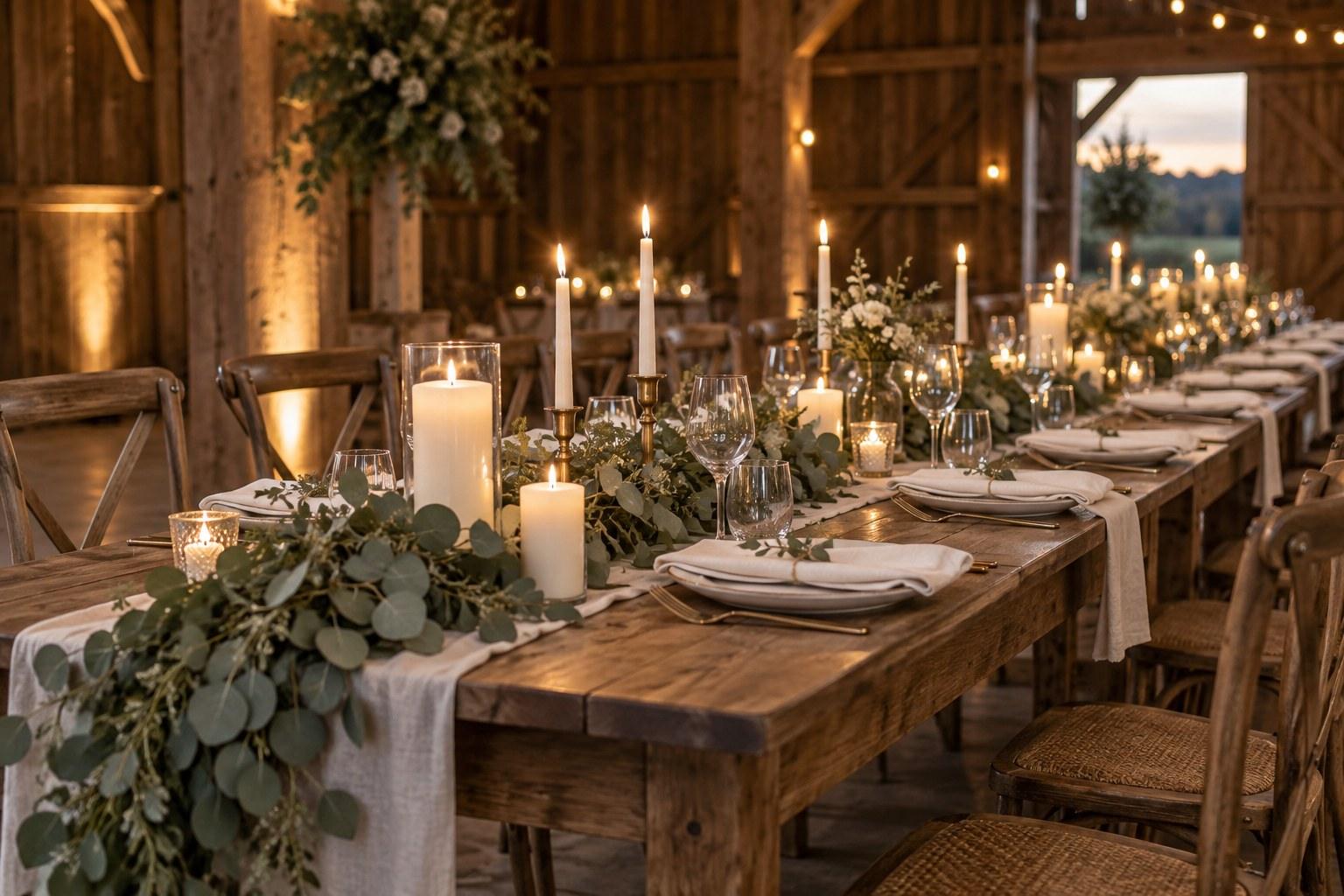
Here’s the catch-22 every new planner hits: couples want to see your past weddings before they book you, and you can’t have past weddings until someone books you. It feels like a locked door. It isn’t. A wedding planner portfolio was never really a highlight reel of other people’s big days — it’s evidence. And you can build evidence before your first paid client ever signs a contract.
This guide walks you through exactly what to include when you have no past clients, the honest ways to create real work, how to present it, and the lines you should never cross. No smoke, no mirrors — just a portfolio you’d be proud to defend in a discovery call.
What a wedding planner portfolio is actually for
Couples aren’t scrolling your portfolio to count weddings. They’re quietly asking three questions:
- Do you have taste? Does your eye match what they’re dreaming of — or at least prove you can execute a vision well?
- Do you have a process? Will you actually organise this thing, or just make it pretty?
- Are you reliable? Can they trust you with their money, their families and the most photographed day of their lives?
Gorgeous photos answer the first question. Most new planners stop there — and that’s the mistake. Process and reliability are where you can genuinely out-shine people with more experience, because you can show your thinking: your timelines, your floor plans, your proposals, the way you’d handle a rain plan.
How to build a wedding planner portfolio with no past clients
You have more options than you think. Pick two or three of these and do them properly, rather than all six badly.
1. Organise a styled shoot with vendor collaborators
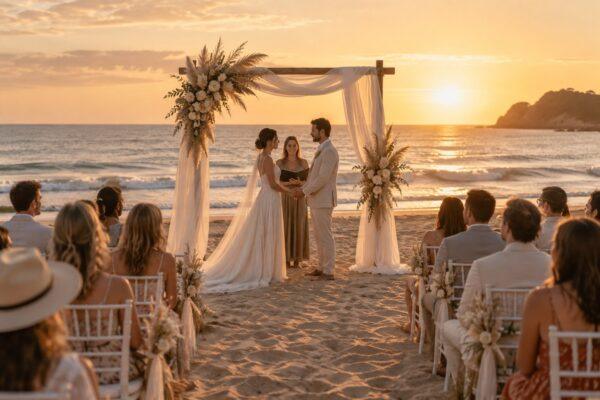
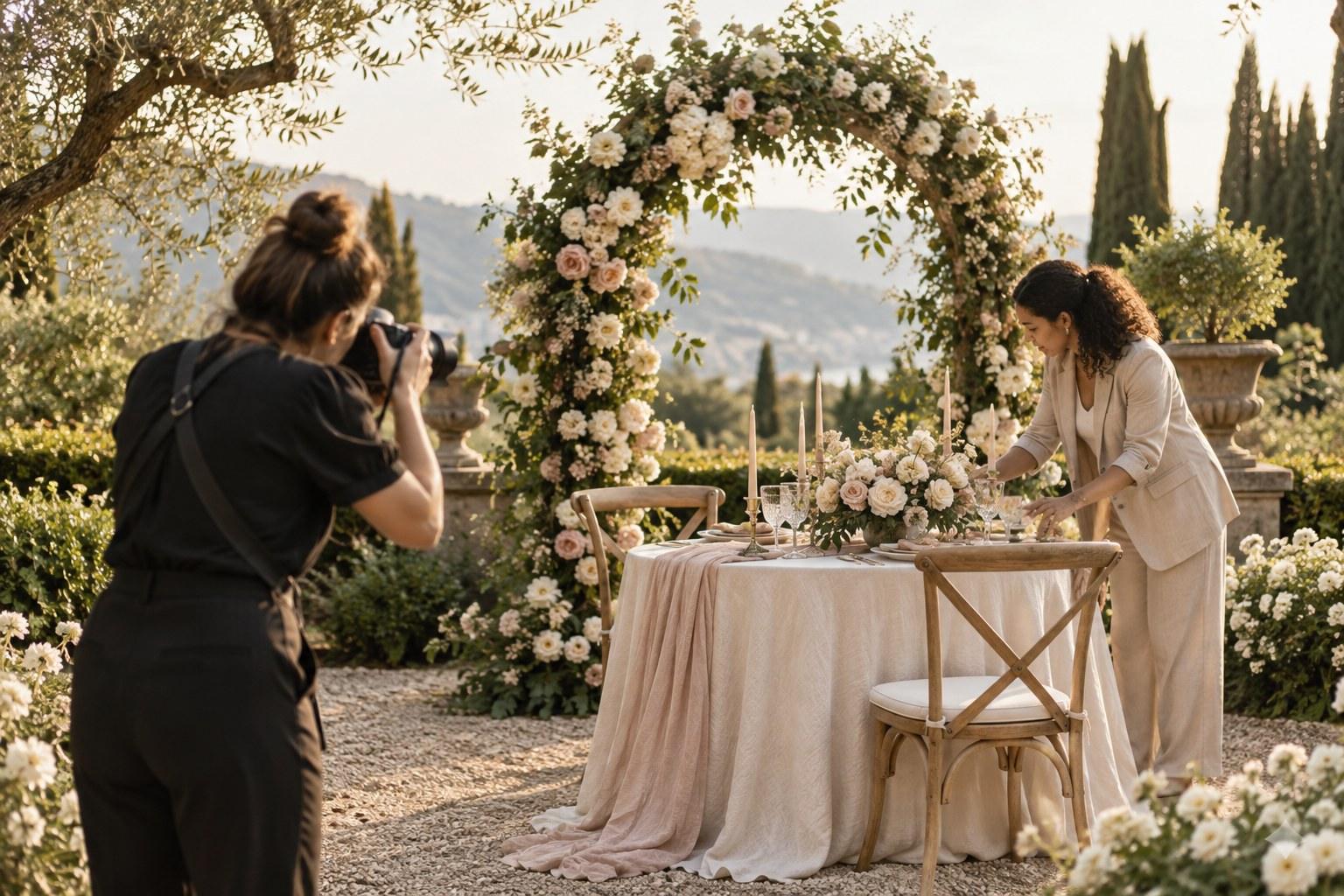
A styled shoot is a planned, photographed wedding scene with no real couple — often built by a team of vendors who all want fresh imagery. Photographers, florists, stylists and venues often collaborate because they need fresh content too. Your role is the planner: concept, moodboard, vendor coordination, timeline for the day, logistics and on-the-day direction.
Two non-negotiables. First, agree in writing with the photographer how you can use the images — on your website, social media, submissions — before anyone picks up a camera. Second, credit every single collaborator, every time you post. If you’d like to take your shoot further, our guide to getting published as a wedding planner covers how to pitch it.
2. Assist or shadow an established planner
Working on someone else’s weddings is the fastest real-world education there is — and it can feed your portfolio, carefully. Only show images or details from those weddings with the lead planner’s permission (and ideally the photographer’s too). Then describe your role precisely: “Assisted on-the-day coordination for a 120-guest vineyard wedding planned by [Planner Name]” is honest and impressive. “My vineyard wedding” is neither.
3. Plan a friend’s or family member’s event
A cousin’s wedding or a friend’s engagement party — real events with real guests count. Treat them like a client job: write a proposal, build a timeline, run the vendor list, document the process. Ask permission to share photos, and be upfront in your captions that it was a family or friend’s event if that’s the case.
4. Take on a pro bono or discounted first event
Some new planners offer a first wedding or two at a reduced rate — or free — in exchange for photo usage and an honest review. If you go this route, put it in a proper contract with a clear scope, so “free” doesn’t quietly balloon into a full planning package.
5. Use course projects and design concepts
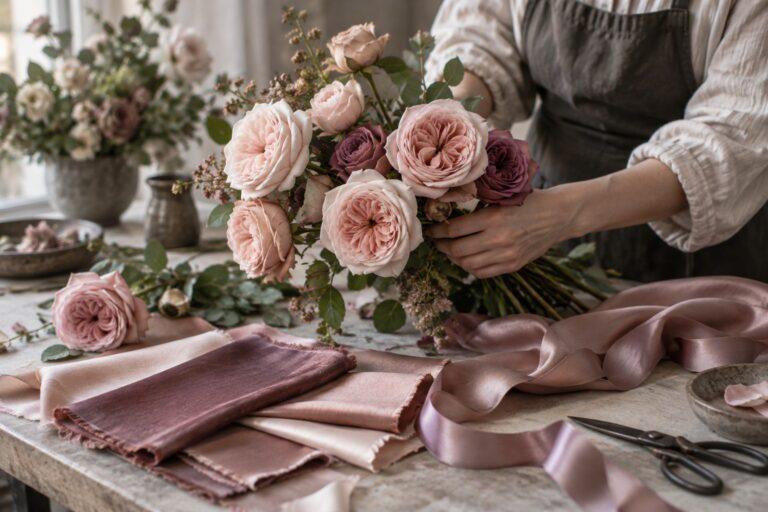
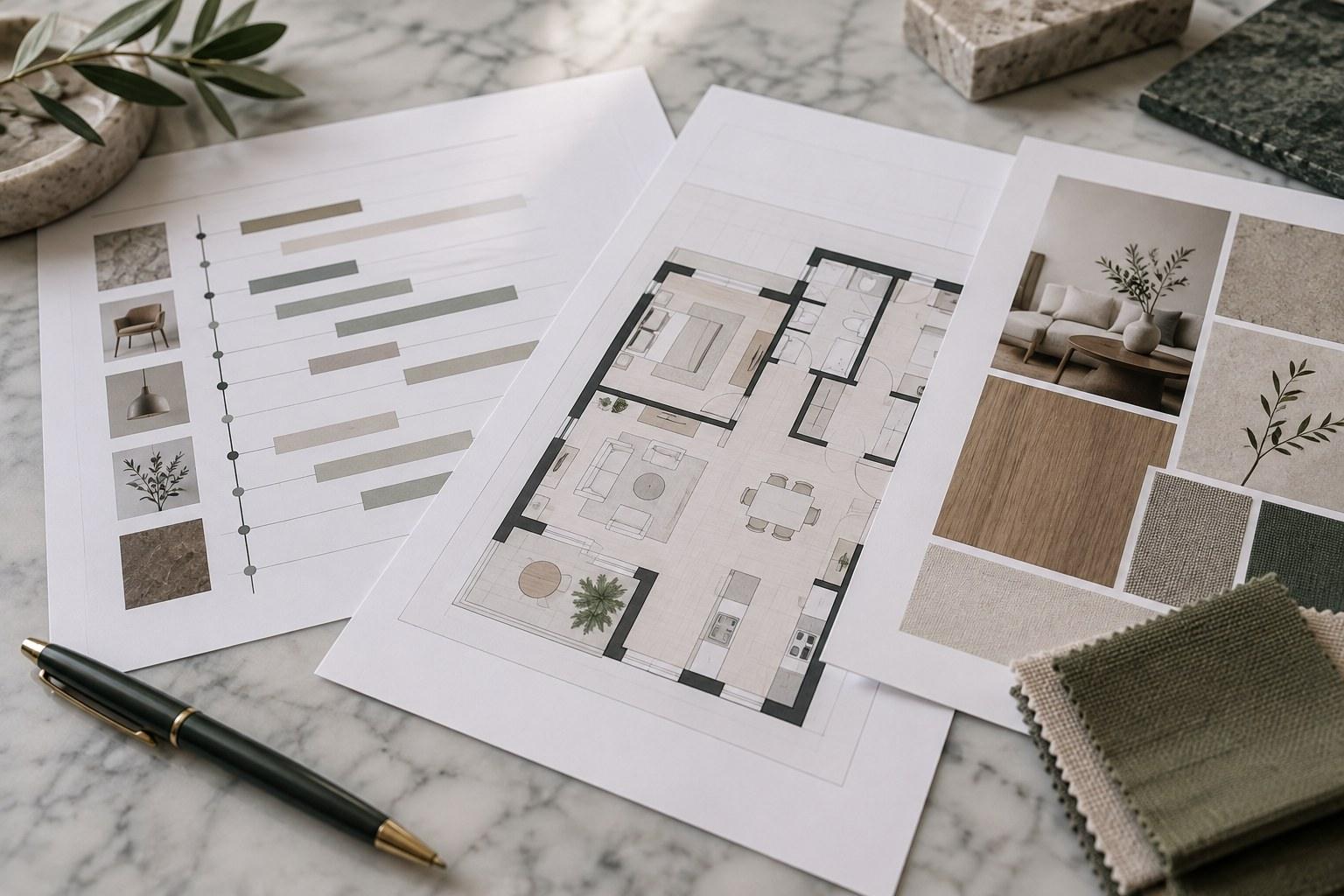
If you’re studying, your assignments are portfolio material. Moodboards, colour palettes, floor plans, run sheets, vendor briefs and sample proposals all show how you think. Polish them, brand them, and label them clearly as concept work.
6. Write process case studies
A process case study walks through how you’d plan a wedding step by step: the brief, the budget conversation, the venue shortlist, the design direction, the timeline, the contingency plan and the day-of schedule. It’s gold for couples nervous about hiring someone new. You can base it on a hypothetical couple, as long as you say so.
Wedding planner portfolio ideas: what each piece proves
Use this to check you’re covering taste, process and reliability — not just one of them.
| Portfolio piece | How to create it | What it proves |
|---|---|---|
| Styled shoot | Collaborate with a photographer and vendors on a planned scene; agree image usage in writing; credit everyone | Taste, vendor relationships, ability to coordinate a team |
| Assisting work | Support an established planner; share only with permission and state your exact role | Real-world experience, reliability under pressure |
| Friends’ or family events | Run it like a client job — proposal, timeline, vendor list; share photos with permission | Delivery of a real event start to finish |
| Pro bono or discounted first event | Contract with a clear scope in exchange for photo usage and honest feedback | Client handling, genuine reviews |
| Moodboards and design concepts | Build polished concepts from course projects or your own briefs; label as concept work | Creative direction and visual taste |
| Sample documents | Create branded timelines, floor plans, budgets and proposals for a hypothetical couple | Organisation, systems, professionalism |
| Process case study | Write a step-by-step walkthrough of how you’d plan a wedding | How you think, how you communicate, how you solve problems |
What to include in a wedding planner portfolio page
Your portfolio isn’t just a gallery — it’s a short, guided tour of what it’s like to work with you. Include these sections:
- About you. Who you are, why you plan weddings, and who you plan them for. Be specific — “relaxed coastal weddings for couples who hate fuss” beats “all your wedding needs”.
- Services. What you actually offer: full planning, partial planning, on-the-day coordination, styling.
- Your process. The steps from first enquiry to the morning after.
- Gallery. Your strongest images — styled shoots, assisting work (with permission and role noted), friends’ events.
- Sample documents. A peek at a timeline, floor plan or proposal page. This is where you prove process.
- Kind words — only if they’re real. Feedback from a planner you assisted, a vendor you collaborated with, or a friend whose event you ran. Never write your own, never “borrow” one.
- A clear next step. An enquiry form or booking link, so a curious couple can act straight away.
Building all of this out — positioning, pages, messaging, how to turn a portfolio into enquiries — is exactly what the Certificate in Wedding Business & Marketing is designed to help you do.
How to present your wedding planner portfolio
The same work can live in a few places. Each one does a slightly different job.
A portfolio page on your website
This is your home base — the place you own and control. Organise it by project, not by a random dump of photos. Each project gets a short story: the brief, your role, the collaborators, and two or three standout images. Add a label on concept or styled work so nobody is confused.
A PDF lookbook
A tidy PDF lookbook is perfect to send after an enquiry or to attach to a vendor pitch. Keep it tight: a welcome page, a few projects, a sample document spread, your services and how to book. Make it look like your brand so it feels like a preview of the experience.
Instagram highlights
Couples will find you on social before they ever land on your site. Use highlights as a mini portfolio: “Styled Shoots”, “Behind the Scenes”, “Process”, “Kind Words”. Behind-the-scenes content is especially useful when you’re new — setting up a shoot, building a floor plan, walking a venue.
For the full playbook on turning these channels into a steady stream of enquiries, grab the Wedding Business Marketing Handbook ebook.
The honesty rules: what never goes in a wedding planner portfolio
This is the part that protects your reputation for years. The wedding industry is smaller than it looks — photographers recognise their own images and couples compare notes.
- Never pass off a styled shoot as a real client wedding. Label it “styled shoot” or “editorial”. It’s still impressive — it just isn’t a client.
- Never use another planner’s or photographer’s work as your own. Not a single image, not a “similar vibe” Pinterest pin.
- Always describe your role honestly. Assistant, coordinator, stylist, lead — say which.
- Label concept work. Moodboards and hypothetical plans are great — call them concepts.
- No invented reviews. If you don’t have testimonials yet, leave that section out. Silence is better than fiction.
Honesty is also a selling point. Saying “I’m newer to the industry, and here’s exactly how I work” lands far better than being caught out halfway through a booking.
Updating your wedding planner portfolio as real weddings come in
Your first portfolio is a starting line, not a finished product. As real weddings arrive, swap them in and let the concept work step back. A simple routine helps:
- Write photo usage into your contract so you can share client weddings without awkward follow-ups — and respect couples who opt out.
- Ask for feedback soon after the wedding, while the glow is fresh, and add genuine reviews with permission.
- Review your portfolio every season. Retire weaker pieces, lead with your best and most on-brand work.
- Keep the process pieces. Even with a full gallery, your sample documents and process story remain your strongest trust-builders.
If you’re still building the planning skills behind the portfolio, the Certificate in Wedding Planning gives you the timelines, documents and processes to showcase — and the Advanced Certificate in Wedding Planning, Styling and Business brings planning, styling and business together in one pathway.
Wedding planner portfolio FAQs
Can I build a wedding planner portfolio with no clients?
Yes. Combine styled shoots, assisting work (shared with permission), friends’ or family events, course projects, sample documents and process case studies. Together they prove taste, process and reliability.
Is it OK to put styled shoots in my portfolio?
Absolutely — as long as they’re clearly labelled as styled shoots and not presented as real client weddings. Agree image usage with the photographer first and credit every vendor involved.
What sample documents should a wedding planner portfolio include?
A timeline or run sheet, a floor plan, a sample proposal and a moodboard are a strong start. Brand them, base them on a hypothetical couple, and blur or omit anything that belongs to a real client.
Can I show photos from weddings I assisted on?
Only with permission from the lead planner, and ideally the photographer too. When you do, state your role clearly — for example, “assisted with on-the-day coordination” — and name the lead planner.
Where should I host my wedding planner portfolio?
Make your website’s portfolio page the home base, back it up with a PDF lookbook you can send after enquiries, and use Instagram highlights as a quick mini portfolio for couples who find you on social first.
No weddings yet? Build one anyway — then learn how to market it so the real bookings follow.