The best micro wedding venues are often spaces that were never designed for weddings: private dining rooms, galleries, libraries, glasshouses, rooftops, wineries, bookshops and private rental homes. Small guest numbers let couples book intimate, unusual spaces that would never fit a big wedding, as long as the planner checks capacity, permissions, amenities and logistics first.
That’s the joy of planning small. With a short guest list, the whole map opens up. Micro wedding venues can be quirky, personal, design-led or hidden in plain sight. This guide covers unusual spaces that work beautifully, how to assess them and what to check before you sign anything.
Why micro weddings suit unusual venues
Big weddings need big rooms, big kitchens, big car parks and big bathrooms. Micro weddings don’t. That changes the venue conversation completely.
- Capacity isn’t the barrier: a beautiful room for twenty is far easier to find than one for two hundred.
- Personal meaning: couples can marry in a place that tells their story — the restaurant of their first date, their favourite gallery.
- Design impact: characterful spaces need less styling to feel special.
- Exclusivity: private hire of a small space can be within reach.
- Fresh portfolio content: unusual venues make standout images for your marketing.
Unusual micro wedding venues that work beautifully
Private dining rooms and chef’s tables
Restaurants are natural micro wedding venues: food and service are built in, the atmosphere is set and many have private rooms sized for small groups. A chef’s table or full restaurant buyout turns dinner into the centrepiece of the day.
Art galleries and design studios
Clean walls, dramatic lighting and an instant creative backdrop. Galleries suit modern, design-led couples. Check rules about candles, food and drink near artworks, and how installations affect your styling.
Libraries and bookshops
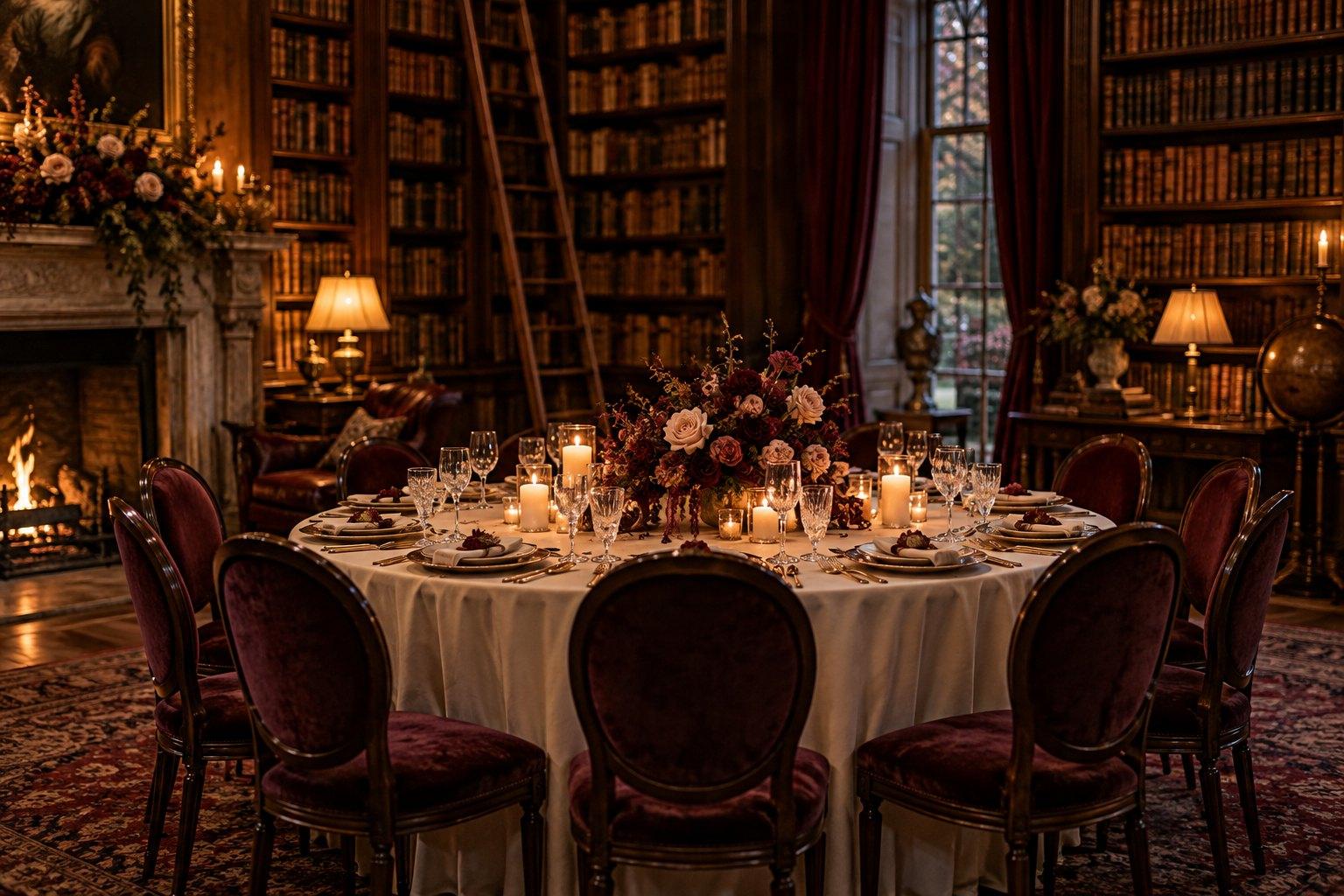
Warm, romantic and endlessly photogenic. Historic libraries and independent bookshops sometimes offer after-hours hire. They work especially well for ceremonies and small dinners.
Glasshouses, conservatories and botanic gardens
Plant-filled spaces deliver natural styling and soft light. Glasshouses can get hot or cold quickly, so check temperature control and the plan if the weather turns.
Rooftops and terraces
City views make a stunning backdrop for intimate ceremonies and cocktail receptions. Confirm wind exposure, noise limits, lift access and a covered backup.
Wineries, breweries and distilleries
Barrel rooms, cellar doors and tasting rooms make atmospheric micro wedding venues with drink built in. Many have small private spaces away from the public areas.
Private homes and luxury rentals
A beautiful villa, farmhouse or city apartment can host a ceremony, dinner and even accommodation in one place. Check the rental terms carefully — many prohibit events, and neighbours and local council rules matter.
Historic and heritage buildings
Old chapels, town halls, lighthouses, boathouses and heritage cottages often have small rooms that are perfect for a micro wedding. Heritage rules may limit fixings, candles and catering.
Outdoor and nature spaces
Forests, clifftops, lakesides and gardens suit couples who want a natural setting. Public land usually needs permits, and you’ll need to bring in everything — chairs, toilets, power and shelter.
Matching micro wedding venues to the couple
An unusual venue only works if it feels like the couple. Before you shortlist anything, get to know what they love. Ask how they spend their weekends, where they’d book a special dinner, which cities or landscapes they feel at home in and what they’d hate a wedding to feel like.
- Food lovers: chef’s tables, restaurant buyouts, cooking schools and wineries.
- Creative couples: galleries, design studios, photography studios and converted warehouses.
- Bookish romantics: libraries, bookshops and historic reading rooms.
- Nature people: glasshouses, gardens, forests, lakesides and coastal spots.
- City dwellers: rooftops, members’ clubs and boutique hotel suites.
Present a shortlist of three, each with a clear reason it suits them. Couples feel understood, and you avoid endless venue tours that eat into your planning hours.
How to assess an unusual micro wedding venue
Unusual spaces come with unusual questions. Use this checklist on every site visit.
| Area | What to check |
|---|---|
| Permissions | Is the space licensed or allowed to host events? Are there permit, insurance or council requirements? |
| Capacity | Safe numbers for seated dinner and standing, including vendors |
| Legal ceremony | Can a legal ceremony take place here, or will it be symbolic? Check with the relevant marriage authority. |
| Kitchen and catering | Is there a kitchen? Can external caterers work here? Any restrictions? |
| Amenities | Toilets, power, lighting, heating or cooling, accessibility |
| Access and timing | Bump-in and bump-out windows, parking, loading, stairs and lifts |
| Rules | Candles, confetti, music volume, curfew, fixings, alcohol licensing |
| Backup | Wet-weather or alternative space if part of the event is outdoors |
Don’t skip the paperwork. Ask for the venue’s terms in writing and check your own insurance covers working there. If you’re unsure about licensing, permits or liability, check with the relevant local authority or your own lawyer.
Logistics that catch planners out
Unusual spaces hide unusual logistics. A narrow staircase can make a grand piano or a multi-tier cake impossible. A gallery may have no dishwashing facilities, so your caterer needs to bring everything and take it all away dirty. A private home may have limited bathrooms, so you’ll need to hire a luxury restroom trailer. Map the journey of every vendor, every guest and every item from the kerb to its final position. If something won’t fit, find out now — not on the morning of the wedding.
Styling unusual micro wedding venues
The beauty of characterful spaces is that they do much of the work for you. Your job is to enhance, not overpower.
- Let the architecture lead: pick a palette that complements the room rather than fighting it.
- One long table: a single banquet table creates intimacy and makes the most of narrow spaces.
- Lighting is everything: candles (where allowed), lamps and soft uplighting turn any space romantic.
- Edit ruthlessly: fewer, better pieces — a dramatic floral moment rather than décor everywhere.
- Mind the flow: small spaces need careful planning for where guests stand, sit and move.
If styling is your favourite part of the job, our Certificate in Wedding Styling explores design principles that make small spaces shine.
Working with venues that rarely host weddings
A gallery manager or bookshop owner may never have run a wedding before. That’s an opportunity — and a responsibility. You’ll be guiding them as much as the couple.
- Walk them through the run sheet, including bump-in, the ceremony, dinner and bump-out.
- Explain how many vendors will arrive, when, and what they’ll need access to.
- Agree exactly which areas guests can use and which are off-limits.
- Confirm who from the venue will be on site and who has the keys at the end of the night.
- Send a thank-you afterwards with a few professional photos they can use.
Do this well and you’ll often be invited back — and sometimes the venue will start referring couples to you.
Finding unusual micro wedding venues
Many of the best spaces aren’t listed on wedding directories. Build your own venue list by:
- Asking restaurants, galleries and shops directly whether they offer private hire
- Following local design, food and travel content for new openings
- Networking with caterers and photographers who’ve worked in unusual spaces
- Exploring heritage and community organisations that hire historic buildings
- Keeping a running spreadsheet with notes, photos, capacities and contacts
Over time, a curated list of characterful venues becomes one of your strongest selling points — couples hire you because you know places they’d never find. Revisit it regularly, because spaces change hands, rules change and new venues open all the time.
For venue checklists and worksheets designed for small-format weddings, the Micro, Intimate & Destination Wedding Handbook by Jac Bowie is a handy companion. And our micro wedding course covers venue sourcing, styling, vendors and guest experience for intimate celebrations.
Frequently asked questions
What counts as a micro wedding venue?
Any space that comfortably and legally hosts a small wedding — from restaurants and galleries to libraries, rooftops, wineries and private homes. Character often matters more than size.
Can you get legally married in an unusual venue?
It depends on local marriage laws. Some places only allow legal ceremonies in licensed venues, so couples may need a legal ceremony elsewhere. Check with the relevant marriage authority.
Do unusual micro wedding venues need permits?
Often, yes — especially public land, heritage buildings and private homes. Confirm permits, licensing and insurance requirements with the venue and the relevant local authority.
What should planners check on a micro wedding venue visit?
Check permissions, capacity, kitchen and catering options, toilets, power, lighting, accessibility, access times, venue rules and a backup space.
Where can I learn to plan micro weddings?
The Wedding Academy’s Certificate in Intimate, Micro & Destination Weddings is studied online and covers venues, styling, vendors and guest experience for small celebrations.
Want to become the planner couples call for intimate weddings in extraordinary places? Study online at your own pace with The Wedding Academy’s Certificate in Intimate, Micro & Destination Weddings.