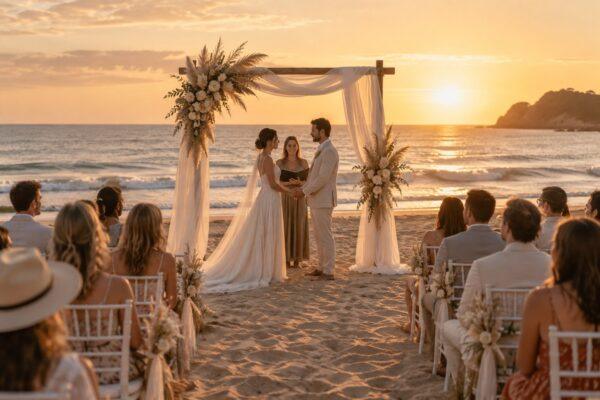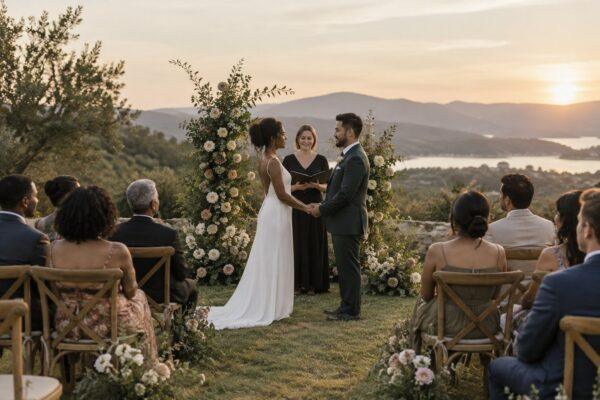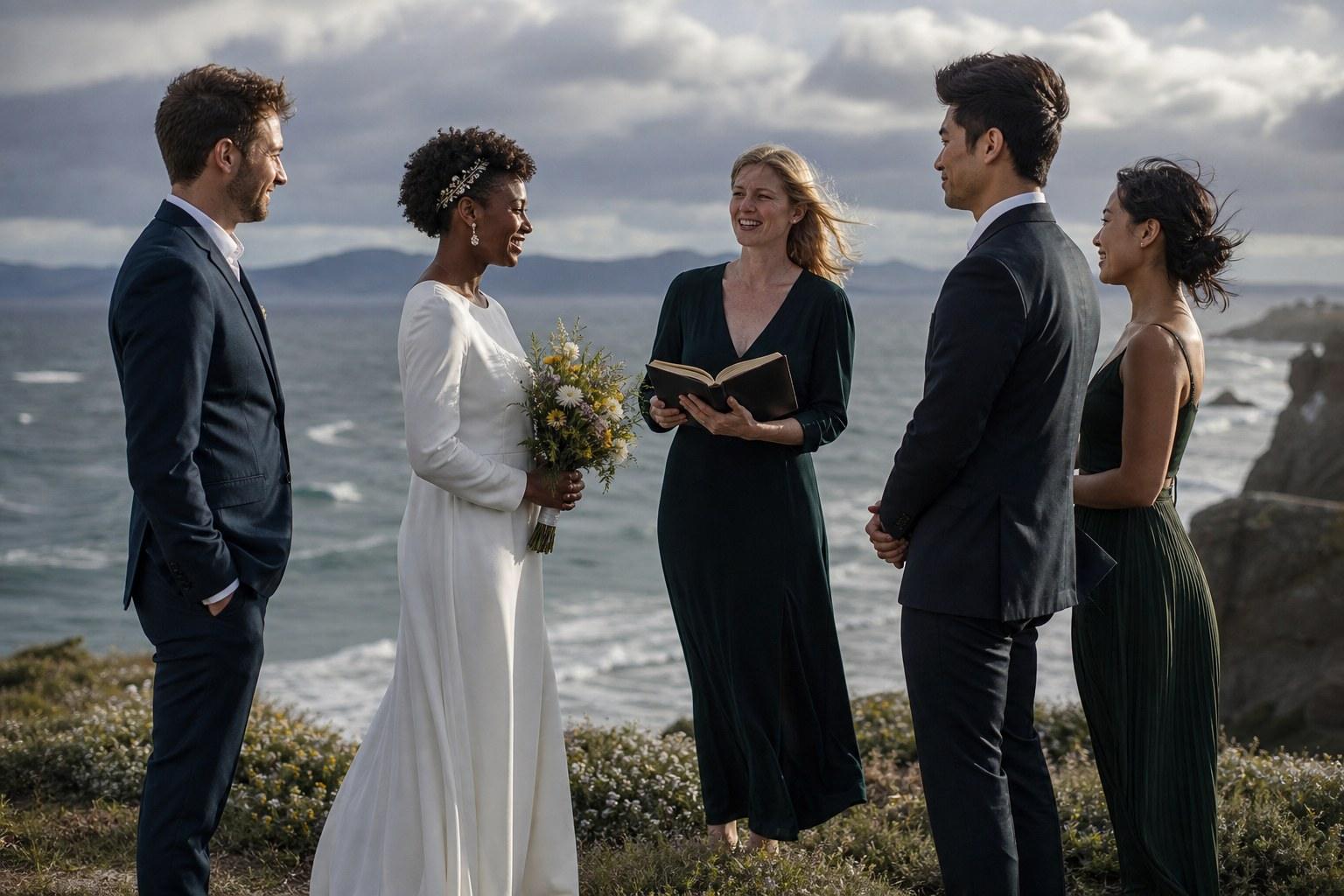
Eloping used to mean running away and telling nobody. Now it means something completely different: a deliberate, designed, often deeply personal wedding day for two people who decided the 120-guest version was not for them.
For planners, that shift is a genuine opportunity. Elopements are shorter, more repeatable and far less logistically brutal than a full wedding — but they are not simply small weddings. They have their own planning model, their own risks and their own pricing logic, and planners who treat them like a cut-down version of a big wedding tend to lose money on them.
Here is how elopement planning actually works, and how to build it into a service you can sell.
What couples are really buying when they book an elopement
Almost every elopement enquiry contains the same three motivations, whether or not the couple says them out loud.
- They want the day to be about them. No performance, no seating politics, no obligation invitations.
- They want somewhere that means something. A landscape, a city, a country they love — the location is the whole design.
- They do not want to organise it. They want to arrive, be married beautifully, and eat something wonderful afterwards.
That third point is your product. You are not selling coordination hours; you are selling the ability to make an unfamiliar place work perfectly on one specific morning. Price and market from there.
Elopement vs micro wedding vs destination wedding
| Format | Typical shape | Where the work goes |
|---|---|---|
| Elopement | Couple plus celebrant and witnesses; sometimes a photographer | Location, permits, legal requirements, travel logistics |
| Micro wedding | A small number of guests; ceremony plus a meal | Guest logistics, venue, catering, a real run sheet |
| Destination wedding | Full guest list travelling to another location | Accommodation, transport, multi-day programme, supplier sourcing |
The formats blur, and couples use the words interchangeably. Your job at enquiry stage is to establish which one they actually mean, because the workload — and therefore the fee — is completely different.
The elopement planning process, start to finish
1. Qualify the location before you promise anything
Beautiful places are frequently regulated places. National parks, beaches, clifftops, lookouts, heritage sites and public gardens commonly require permits, restrict group sizes, ban certain items or close seasonally. Some are simply unsafe in the wrong weather.
Check access, parking, walking distance, terrain, shade, facilities and permit rules before you show the couple a photograph of it. Nothing damages trust faster than un-promising a spot.
2. Confirm the legal requirements for that jurisdiction
Marriage law is local. Notice periods, documentation, witness numbers, who may officiate and whether a foreign couple may legally marry there all vary. Treat every new location as an unknown, use official sources, and put the responsibility for confirming personal documents on the couple in writing.
Some couples handle the legal marriage at home and treat the elopement as a ceremony. That is often simpler and worth raising early.
3. Design the day around the light
Elopements are photography-led in a way big weddings are not. With no reception schedule to protect, you can build the whole day around sunrise or golden hour. Ask the photographer what time they want to be where, then plan travel, hair and make-up, and the ceremony backwards from that.

4. Build a small, brilliant supplier team
An elopement usually needs a celebrant, a photographer, flowers, hair and make-up, transport and somewhere to eat. That is it. Because the team is tiny, every single person has to be excellent and reliable — there is no crew to absorb a failure.
5. Plan for weather like it is guaranteed
Outdoor ceremonies with no marquee and no back room need a genuine plan B that the couple has already seen and approved. Decide the decision time, the fallback location and who makes the call. Then write it into the itinerary so nobody is negotiating in the rain.
6. Write an itinerary a stranger could follow
Give the couple a single document with times, addresses, what to bring, what to wear on their feet for the walk, contact numbers and the weather plan. Elopement couples are often in a country they do not know, with no family to ask. The itinerary is the reassurance.
How to price elopements without underselling yourself
The trap is obvious: small event, small fee. But the research load per elopement can exceed a local full wedding, especially the first time you work in a new location.
- List every hour: consultation, scouting, permits, legal research, supplier sourcing, itinerary building, day-of hours and travel time.
- Add real travel costs — fuel, flights, accommodation, and the day you cannot sell because you are in transit.
- Decide whether you are selling a managed package with suppliers included, or planning only.
- Set a minimum fee below which you will not take an elopement at all.
- Charge properly for the first booking in a brand-new location, because you are buying knowledge you will resell later.
Packages work extremely well here. Couples eloping abroad want a clear, bookable offer far more than a bespoke consultation — and packages let you reuse the research you have already done in a location, which is where elopement work becomes genuinely profitable.
What goes wrong on elopements — and how to prevent it
Small does not mean simple. The failure modes are just different, and almost all of them are preventable with earlier questions.
| Risk | Prevention |
|---|---|
| Permit refused or expired | Apply early, keep written confirmation, and check conditions on the day |
| Location closed by weather or fire risk | Confirmed plan B, agreed decision time and a named decision maker |
| Missing legal documents | Written checklist sent at booking, confirmed weeks before travel |
| Couple underestimates the walk | Be explicit about terrain, distance and footwear in the itinerary |
| Flight delay or lost luggage | Build buffer days, and keep a local contact list the couple has too |
| Sole supplier illness | Know a backup for every role in that location before you need one |
Write your own version of that table for every location you work in. After two or three elopements in the same place it becomes a reusable operating manual — and that manual is the asset that lets you take bookings there confidently and quickly.
Marketing elopements: own a place or own a style
Elopement couples search by location long before they search by planner. That gives you a very clear marketing strategy: become the obvious answer for a specific place or a specific kind of day.
- Write genuinely useful location guides — access, permits, best months, walking difficulty
- Publish real elopement stories with the practical detail, not just images
- Build relationships with the photographers who shoot that landscape; they are the biggest referral source in this niche
- Be honest about weather, terrain and what the day involves — it filters out couples who would be unhappy
- Make your packages easy to understand and easy to enquire about from a phone in another timezone

Building elopements into your services
If you already plan weddings, elopements are a natural extension rather than a new career. The client management, supplier coordination and run-sheet skills transfer directly — what changes is the legal research, the travel logistics and the pricing model.
The Certificate in Intimate, Micro & Destination Weddings is built specifically for that shift. If you are starting from the beginning, pair it with the Certificate in Wedding Planning for the core process, and the Certificate in Wedding Business & Marketing for the packaging and marketing side that makes small events profitable.
Elopements reward planners who are calm, thorough and honest about risk. If that sounds like you, this is a very good corner of the industry to own.
Ready to plan intimate weddings anywhere?
Learn elopement, micro and destination wedding planning — locations, legals, logistics, supplier teams and packaging — with globally recognised online certification you can study at your own pace.
Frequently asked questions
What is the difference between an elopement and a micro wedding?
An elopement is the couple and the legal minimum — often just a celebrant and witnesses, sometimes a photographer. A micro wedding has guests, usually a small number, and behaves like a scaled-down traditional wedding with a ceremony, a meal and a schedule. The planning workload is different, and so is the pricing.
Do elopements need a planner?
Many do, and for a specific reason: the couple is usually marrying somewhere they do not live. Permits, legal paperwork, local suppliers, weather contingencies and access all need someone with local knowledge. That is the value a planner sells — not admin, but certainty in an unfamiliar place.
How do you price an elopement?
Price the work, not the guest count. An elopement can involve more research per couple than a large wedding: location scouting, permit applications, legal requirements, travel and a long day on foot. Build your fee from your hours, your travel, your local expertise and your risk — never as a percentage of a tiny budget.
What legal paperwork do elopements need?
It depends entirely on the jurisdiction. Notice periods, residency requirements, witness rules and document requirements vary by country and sometimes by region. Never advise from memory: check the official requirements for that specific location for every booking, and tell couples to confirm with the relevant authority.
Can you build a whole business on elopements?
Yes, and a growing number of planners do. Elopements have shorter lead times, lighter logistics per event and are often bookable more than once a week in peak season. It works best when you own a specific location or style so couples come looking for exactly what you do.