Most wedding planner blogs are written for the wrong person. They’re full of “what a gorgeous day it was” captions, supplier shout-outs with no context, and posts that read like the planner talking to other planners. Meanwhile, the couple who’d happily book you is typing a very specific question into a search bar — and landing on someone else’s answer.
Good wedding planner blog content starts with a simple shift: stop writing about what you did, and start answering what couples are asking. Do that consistently and your blog stops being a dusty archive and starts working as a quiet, always-on enquiry channel.
This is exactly the thinking behind The Wedding Business & Marketing Handbook by Jac Bowie — her practical guide to marketing and running a wedding business, part of the ten-book Wedding Academy Handbooks series. Here’s how to put that mindset to work on your blog.
Does blogging still matter for wedding planners?
Yes — just not in the way most people think. A blog isn’t a diary. It’s a library of answers. And answers matter because of how couples actually plan: they search, they compare, they save, and they come back. Here’s why it’s still worth your time:
- Search intent is on your side. Someone searching “how to plan a wedding at a winery” or “what does a day-of coordinator do” has a real problem right now. If your post solves it, you’ve met a potential client at the exact moment they care.
- It’s evergreen. An Instagram post fades within days. A genuinely useful blog post can keep being found long after you hit publish.
- It answers questions before the call. Couples who’ve read your posts arrive on discovery calls already understanding how you work — and often already sold.
- It feeds everything else. One solid post can become a carousel, a Reel script, an email and a handful of stories.
One honest caveat: search engines change how they rank content all the time, and nobody — including us — can guarantee a post will rank. What you can control is whether the content is genuinely useful, clearly structured and written for real couples. That’s the part worth getting right.
How to find what couples actually search for
You don’t need expensive tools to find blog topics. You need to listen. Couples are telling you what they want to read every single day — you just have to write it down.
Use Google autocomplete
Start typing a phrase like “wedding planner cost”, “do I need a wedding planner” or “[your city] wedding venues” and watch what the search bar suggests. Those suggestions reflect what people commonly type. Jot down every one that’s relevant to your services.
Mine the “People also ask” box
On many search results pages, there’s a box of related questions. Click one and more appear. It’s a free, endlessly expanding list of real phrasings — perfect for headings and FAQ sections.
Listen to your enquiry calls
Every question a couple asks you on a discovery call is a blog post waiting to happen. “Do you work with our venue’s in-house coordinator?” “When should we book you?” “What happens if it rains?” Keep a running note on your phone and add to it after every call.
Look for venue-specific searches
Couples search for the venue they’ve booked or are considering — its layout, its rules, how guests get there. If you’ve planned weddings at a venue, you can write a far more useful guide than a generic listing site can.
Read your own enquiry form answers
If your contact form asks “What’s your biggest worry about planning?”, you’re sitting on a goldmine. Patterns in those answers are your content plan.

Wedding planner blog content ideas that actually work
Once you’ve got your list of questions, sort them into content types. These are the formats that tend to earn their keep for planners:
Venue guides and real wedding stories
Write about a real wedding, but frame it around what a future couple would want to know: how the timeline worked at that venue, where the ceremony moved when the weather turned, what you’d recommend for guest transport. Always get permission from the couple and credit suppliers properly — and only share what they’re happy for you to share.
Planning guides and checklists
“How to choose a wedding venue.” “What to ask a wedding caterer.” “A wedding planning timeline that won’t overwhelm you.” These are the posts couples bookmark and share with their partner, their mum and their bridal party.
Honest “how much, how long, what’s included” posts
Couples want to know what working with you involves. You don’t have to publish your price list, but you can explain how your pricing is structured, what drives the cost up or down, how far ahead couples typically book you, and exactly what’s in each package. Use your own real numbers if you choose to share them — never borrowed “industry averages” you can’t stand behind.
Supplier spotlights
Interview a florist, celebrant or photographer you love working with. Make it useful — what should couples ask them, how far ahead should they book — not just a list of compliments. Bonus: suppliers often share these posts with their own audience.
Local guides and FAQ posts
Where should out-of-town guests stay? What are the best spots for engagement photos near you? And a dedicated FAQ post that answers your ten most common enquiry questions in one place — that’s a page you’ll link to again and again.
Turn couple questions into blog posts: a quick planner
| Couple question | Blog post idea | Call to action |
|---|---|---|
| Do we really need a wedding planner? | What a wedding planner actually does (and when you might not need one) | Book a free discovery call |
| What’s included in day-of coordination? | Day-of coordination explained: what’s included and what isn’t | View your coordination package |
| How far ahead should we book a planner? | When to book your wedding planner — an honest timeline | Check your availability |
| What’s it like getting married at [venue]? | A planner’s guide to weddings at [venue] | Enquire about planning at this venue |
| How do we plan if we live overseas? | Planning your wedding from another country: how it works | Download your planning checklist |
| What should we ask suppliers before booking? | Questions to ask every wedding supplier | Join your email list for more guides |
How to structure a wedding planner blog post
Great topic, messy post? Couples will bounce. Structure is what turns a good idea into something people actually read to the end.
- Answer first. Put the direct answer in your first two or three sentences. Then go deeper. Nobody wants to scroll past your life story to find out whether you travel for weddings.
- Use headings that match questions. If couples search “how long does wedding planning take”, use something very close to that as a heading. It helps readers skim and makes it clear what each section covers.
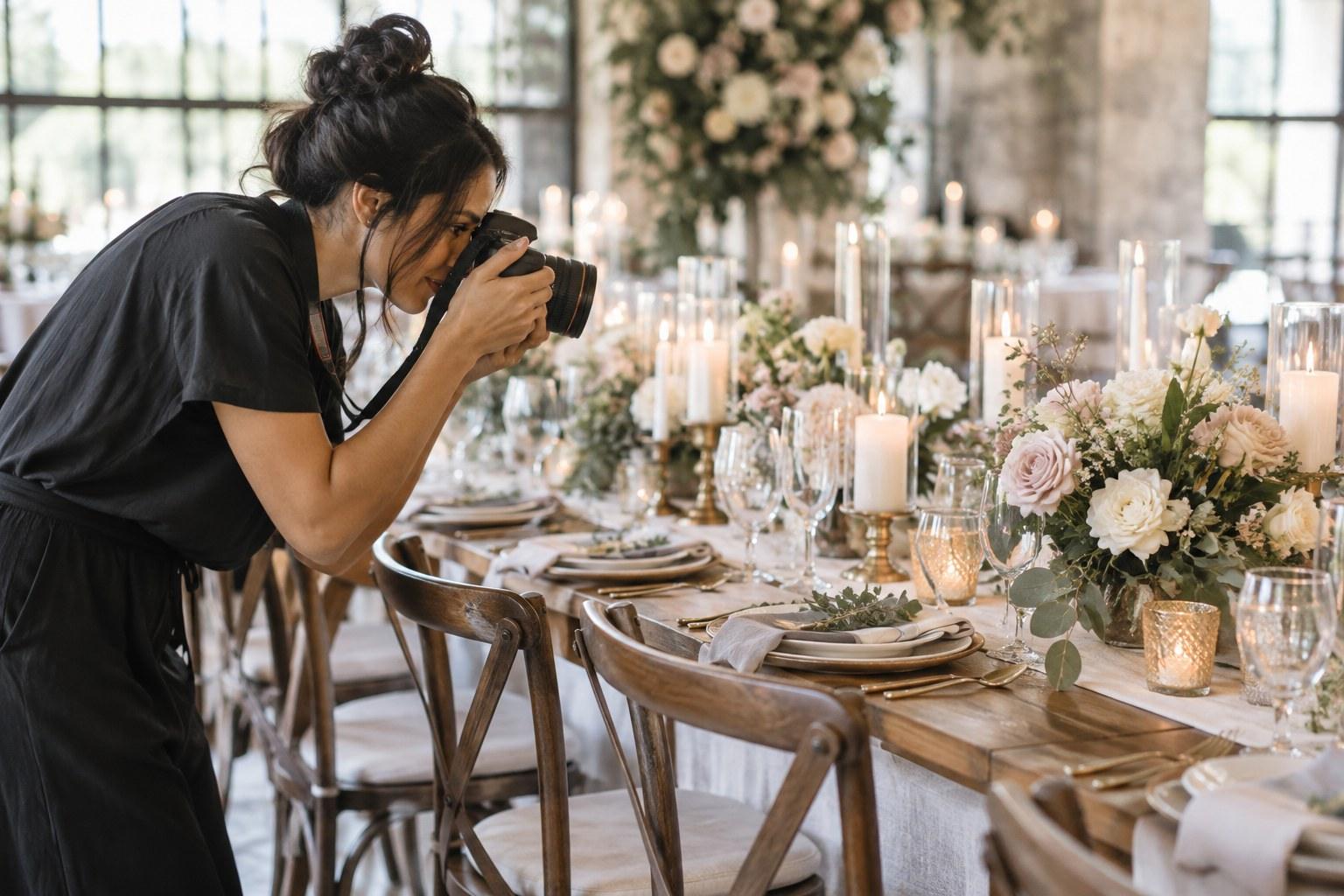
- Add photos with descriptive alt text. Use your own images (with permission and credits) and describe what’s in them — it’s good for accessibility and helps search engines understand the page.
- Link to your services. Every post should link naturally to the relevant package or service page, plus one or two related posts.
- Finish with a clear next step. Book a call, download a checklist, join your list. One action, clearly stated.
If you want to go beyond the blog and build a full marketing system around it, the Certificate in Wedding Business & Marketing is built for exactly that: the marketing and business side of running a wedding company.
A blog publishing rhythm you can actually keep
The best schedule is the one you’ll still be following in a year. A burst of ten posts followed by six months of silence does far less than one steady post a fortnight. Pick a rhythm that fits around client work — fortnightly or monthly is completely fine — and protect it in your calendar like a client meeting.
Batch where you can. Spend one session brainstorming titles from your question list, another drafting, another adding photos and links. And keep a simple spreadsheet: title, target question, status, publish date, where you’ve repurposed it. You’ll thank yourself later. ✍️
Don’t forget to refresh, too. Revisit older posts every so often to update details, add new photos and tighten the answer. A refreshed post is often less work than a brand new one.
Repurpose every blog post into Instagram and email
You’ve done the thinking once — now use it everywhere. A single post on “questions to ask your venue” can become:
- An Instagram carousel with one question per slide
- A short Reel where you talk through your top three
- A few stories with a poll (“Did you ask this?”)
- A newsletter to your email list with a link back to the full post
- A downloadable checklist that grows your email list
Social gets attention; the blog holds the detail. Always point people back to the full post, where your services and next step are waiting.
Wedding blog mistakes to avoid
- Keyword stuffing. Repeating “best wedding planner [city]” in every sentence reads badly and won’t win over a human. Write naturally.
- Copying other planners. Borrowed posts are obvious, can land you in trouble, and do nothing for your brand. Your experience is the point.
- Writing for other planners instead of couples. Industry jargon and “behind the scenes of my business” posts rarely help a couple decide to book you.
- Posting without a call to action. If a couple finishes your post and doesn’t know what to do next, you’ve done the hard work and left the enquiry on the table.
Jac’s handbook goes deeper into the marketing and business side of all of this, and it’s available as a fillable PDF ebook (with a paperback through Blurb). It sits alongside the rest of the series — see all ten handbooks. And if you’re building your planning skills from scratch, pair it with the Certificate in Wedding Planning, or go all in with the Advanced Certificate in Wedding Planning, Styling and Business.
Wedding planner blog content FAQs
What should a wedding planner blog about?
Blog about the questions couples ask you: how planning works, what your services include, venue guides, real weddings (with permission), supplier advice, local guides and honest FAQs. If a couple would search for it before booking, it’s worth writing.
How often should a wedding planner post on their blog?
As often as you can keep up consistently. Fortnightly or monthly is plenty for most solo planners — steady, useful posts beat an occasional burst followed by months of silence.
Will blogging get my wedding business found on Google?
It can help, but there are no guarantees — search engines change how they rank pages regularly. Your best bet is clear, genuinely useful posts that answer real couple questions, with sensible headings, good photos and links to your services.
How long should a wedding planner blog post be?
Long enough to fully answer the question and no longer. A quick FAQ answer might be short; a venue guide or planning checklist will naturally run longer. Lead with the answer, then add the detail.
Where can I learn to market my wedding business properly?
Start with Jac Bowie’s Wedding Business & Marketing Handbook for a practical guide, then build structured skills with the Certificate in Wedding Business & Marketing from The Wedding Academy, which focuses on the marketing and business side of running a wedding company, studied online.
Ready to turn your blog — and the rest of your marketing — into a steady stream of the right enquiries? Enrol in the Certificate in Wedding Business & Marketing and start building it properly.