I’m going to say the quiet part first: wedding planner burnout usually isn’t caused by the weddings. It’s caused by the business model wrapped around them — the pricing, the boundaries, the lack of systems, the habit of doing every job yourself. Fix those, and you fix most of the exhaustion.
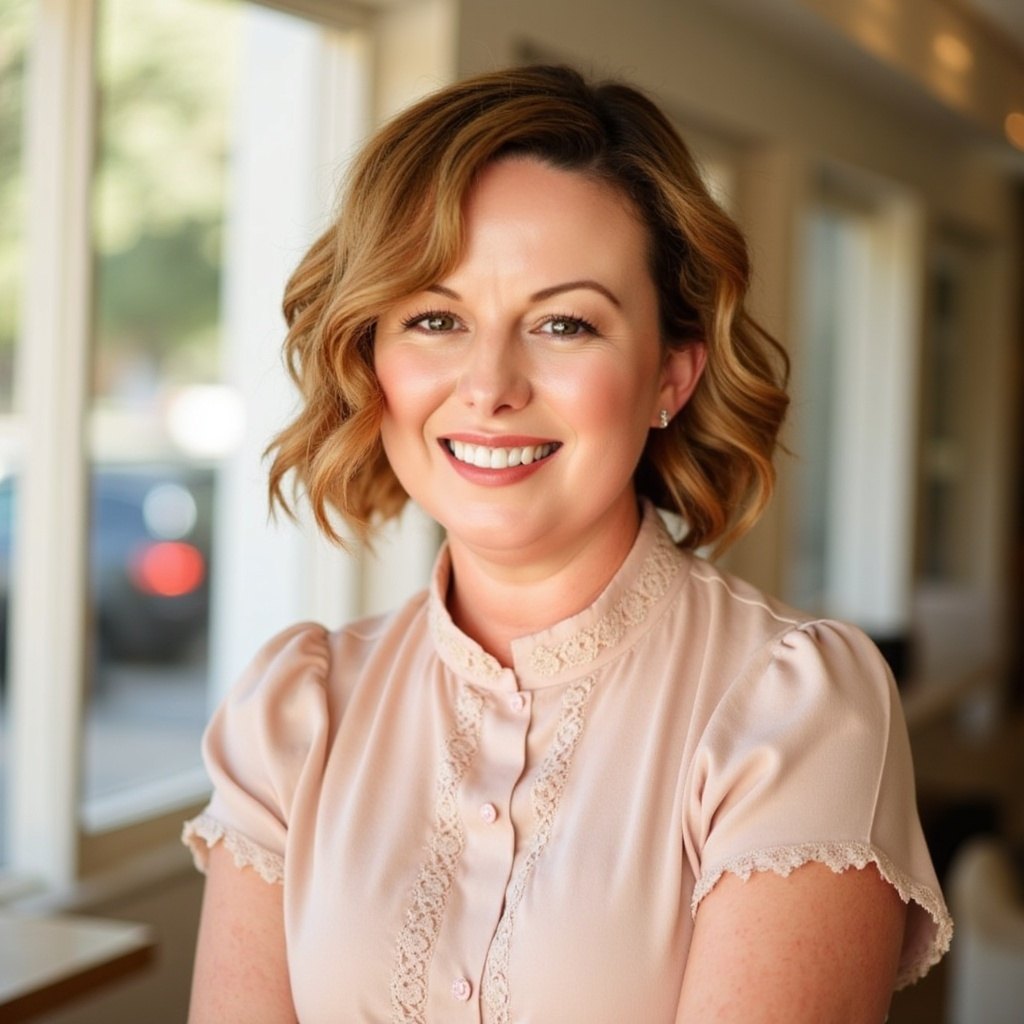
I’m Jac Bowie, Owner & CEO of The Wedding Academy. We’ve been teaching wedding professionals since 2004, 100% online, and we’ve taught more than 11,000 students. The pattern is always the same. People come into this industry because they love weddings. They leave because nobody told them how to run a wedding business that doesn’t eat them alive.
It’s why our Advanced Certificate teaches planning, styling and business side by side. So here’s what I’d tell you before you start — or right now, if you’re running on empty.
One honest note before we go on: this is general business advice, not medical advice. If you’re struggling with your mental health, please speak to your GP or a health professional. Systems help — but they’re not a substitute for proper support.
Why do wedding planners burn out?
Wedding planning is emotional, detailed, deadline-driven work. That’s the job, and most of us love it. Burnout creeps in around it:
- Always-on messaging. Texts at 10pm, voice notes on a Sunday, DMs across four apps. If clients can reach you everywhere, they will reach you all the time.
- Saying yes to everything. Every enquiry, every “quick favour”, every extra meeting. Each one feels small. Together they swallow your week.
- Underpricing. When your fees don’t cover your real hours, you have to take more weddings to stay afloat — and you can never afford help.
- No contracts or scope. Without a clear written scope, “can you just…” becomes unpaid work, and resentment builds fast.
- Doing every role alone. Planner, stylist, bookkeeper, marketer, admin, content creator, driver. That’s not a business. That’s six jobs.
- Weekend work with no recovery days. You work the wedding, then you’re back at your inbox on Monday morning as if nothing happened. Your body keeps the score even when your calendar doesn’t.
Not one of those is “the couple wanted peonies.” The weddings aren’t the problem — the setup is.
Wedding planner burnout signs to watch for in yourself
Burnout rarely arrives in one dramatic moment. It’s a slow slide, and the early signs are easy to explain away:
- You feel dread — not excitement — when a new enquiry lands.
- You’re snapping at suppliers or clients over things that never used to bother you.
- You can’t remember the last full day you didn’t check your phone.
- Small admin tasks feel enormous, so they pile up — which makes everything worse.
- You’re quietly fantasising about walking away from the whole thing.
If you’re nodding along, don’t panic and don’t push through. Treat it as data. Something in your setup needs to change — and the earlier you change it, the easier it is.
Wedding planner burnout: causes, warning signs and fixes
| Burnout cause | Early warning sign | Fix |
|---|---|---|
| Always-on messaging | You check your phone first thing and last thing, every day | Office hours, one communication channel, a response-time promise in your welcome pack |
| Saying yes to everything | Your calendar is full but you can’t name what you agreed to | A written scope for every package and a polite, standard “that’s outside scope” reply |
| Underpricing | Fully booked and still financially stretched | Price on real hours, including admin and revisions, with room to pay for help |
| No contracts or scope | Resentment towards clients over “small” extras | Contracts that spell out inclusions, exclusions and how changes are charged |
| Doing every role alone | Admin and marketing always slip to midnight | Templates and systems first, then a freelancer bench for the roles you shouldn’t hold |
| No recovery days | Exhaustion that doesn’t lift after a weekend | Block recovery days after every wedding before you accept the booking |
How to avoid burnout as a wedding planner: boundaries that actually work
Boundaries only work when they’re built into the business, not when they rely on you being “strong” in the moment. Here’s where I’d start.
Set office hours — and publish them
Decide when you’re working and when you’re not. Put those hours in your email signature, on your website and in your contract. Clients don’t resent boundaries they were told about at the start. They resent surprises.
Put a response-time promise in your welcome pack
Something like: “I reply to all messages within one business day during office hours. On wedding days I’m fully focused on that couple, so replies may take a little longer.” That one sentence changes everything. You’re no longer “slow” — you’re doing exactly what you said you’d do.
Choose one communication channel
Email, a client portal, a planning app — pick one and make it the official home for decisions. Texting is for the wedding day itself. When everything lives in one place, nothing gets lost.

Price so you can afford help
This is the one I feel most strongly about. Underpricing is the engine of wedding planner burnout. If your fee only covers the day itself, who’s paying for the emails, site visits and run sheet revisions? You are — with your evenings.
I’m not going to give you a number, because the right fee depends on where you work, what you offer and who you serve. But I will give you the principle: price on your real hours, include admin and revisions, and leave enough margin to pay an assistant on the day and a freelancer for the jobs you shouldn’t be doing. If your pricing can’t fund help, it’s not finished yet.
This is exactly why I push people to learn the business side early. The Certificate in Wedding Business & Marketing covers pricing, packaging and marketing — the stuff that quietly decides whether you love this career in five years or resent it.
Systems and templates: stop reinventing every wedding
Every time you write a timeline from scratch, you’re spending energy you don’t get back. Systems are how you protect your brain for the creative, human parts of the job. At minimum, build:
- Checklists for every stage — enquiry, booking, final details, wedding week, post-wedding wrap-up.
- Run sheet templates you adapt for each wedding, rather than rebuild.
- An onboarding sequence — welcome pack, questionnaire, contract, first-meeting agenda — so every client starts the same calm way.
If you want a head start on this kind of thinking, I wrote an 8-book handbook series for wedding professionals. And if you’re newer to the planning side, the Certificate in Wedding Planning walks you through the planning process end to end, so your systems are built on solid foundations.
Build a team or a freelancer bench
You don’t need staff on day one, but you do need people you can call. Start a bench: a wedding-day assistant, help with styling setup and pack-down, a bookkeeper, maybe a virtual assistant. Brief them properly, pay them fairly and give them your templates.
The goal isn’t to step back from your clients. It’s to stop being the single point of failure in your own business. If you got sick tomorrow, could the wedding still go ahead beautifully?
Schedule recovery days after every wedding
Here’s a simple rule: the recovery day goes in the calendar at the same time as the wedding. Not after. Not “if things are quiet.” When you book the wedding, you book the rest day that follows it.
Wedding days are long, physical and mentally intense. Bouncing straight back into client calls the next morning isn’t dedication — it’s a recipe for mistakes. Protect that day like a client meeting. It’s the meeting that keeps you good at your job.

Cap how many weddings you take on
Choose your own cap — per month, per weekend, per year, whatever makes sense for your services and your life. I’m not going to tell you a number, because a full-service planner and a day-of coordinator carry very different loads. What matters is that you decide it calmly, in advance, rather than discovering your limit when you hit it.
Then hold the line. At capacity, you’re booked — that’s not a lost sale, it’s proof your pricing is working.
Say no to the wrong clients
Some clients will drain you more than any wedding ever could — the ones who argue every line of the contract, want full-service planning on a coordination budget, or message at all hours from the first enquiry. The signs usually show up before the deposit.
Saying no is a skill. Keep it kind and short: “Thank you so much for thinking of me — I don’t think I’m the right fit for what you need, but I’d recommend…” Every wrong client you decline leaves room for a right one.
Why learning the business side early protects you
Most people learn the business side the hard way — after they’ve underpriced, overpromised and overworked themselves. I’d rather you learn it before you start. Contracts, pricing, scope, marketing that attracts the right clients: these aren’t the boring bits. They’re what keeps you in the industry.
That’s why I believe in learning planning, styling and business together. The Advanced Certificate in Wedding Planning, Styling and Business brings all three into one program, so you’re not just good at weddings — you’re good at running a wedding business that’s built to last.
Wedding planner burnout FAQs
Is wedding planning a stressful job?
It can be — it’s detailed, emotional, deadline-driven work. But much of the stress comes from the business setup around the weddings: always-on messaging, underpricing, unclear scope and no recovery time. Fix those and the job becomes far more manageable.
How do wedding planners avoid burnout?
Set office hours, use one communication channel, put a response-time promise in your welcome pack, price so you can afford help, use templates and checklists, build a freelancer bench, schedule recovery days after every wedding and cap how many weddings you take on.
What are the signs of wedding planner burnout?
Common signs include dreading new enquiries, snapping at clients or suppliers, never having a phone-free day, admin piling up and losing interest in the parts of the job you used to love. If you’re struggling with your mental health, speak to your GP or a health professional.
How many weddings should a wedding planner take on?
There’s no single right number. It depends on your services, your team and your life. Choose your own cap in advance — and build in recovery days — rather than finding your limit by hitting it.
Does learning the business side really help prevent burnout?
Yes. Pricing, contracts, scope and marketing decide how many hours you work, what you’re paid for them and which clients you attract. Learning them early, alongside planning and styling, means you build a sustainable business from the start instead of fixing a broken one later.
You got into weddings because you love them. Build the business that lets you keep loving them. If you’re ready to learn planning, styling and business properly — together — I’d love to have you with us.
— Jac Bowie, Owner & CEO, The Wedding Academy