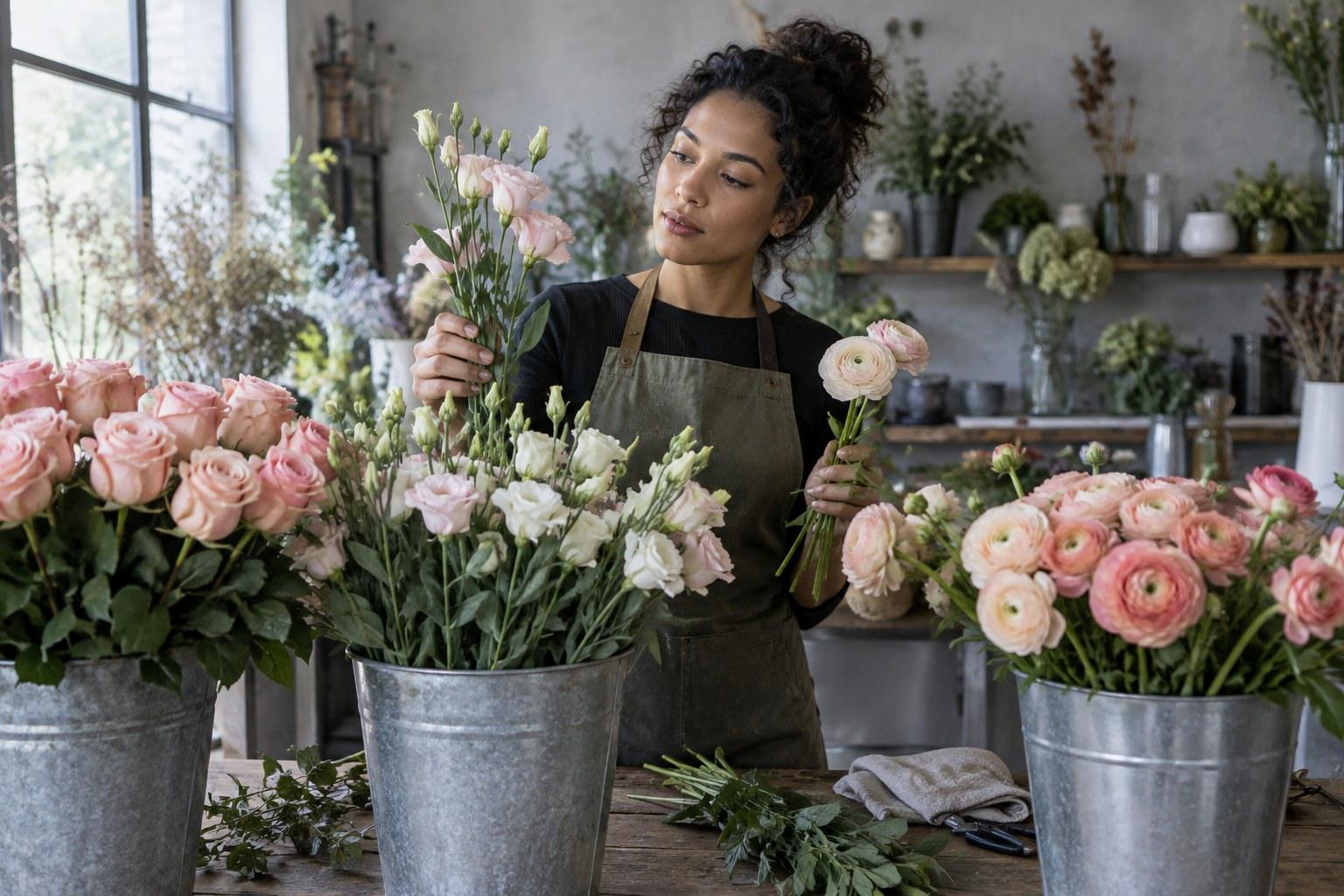
Every florist has had the phone call. The wholesaler is short on your garden roses. The ranunculus arrived with bent necks. The “blush” stems are closer to hot pink. Or the box simply didn’t come. And the wedding is still happening — same date, same couple, same expectations.
That’s why wedding flower substitutions aren’t a sign you’ve failed. They’re a normal part of working with a living product. The florists who look calm on the day aren’t the ones who never swap a stem. They’re the ones who planned for the swap before the order went in.
This guide walks you through the whole backup plan: how to set expectations in the proposal, how to choose a substitute that actually works, how to tell the couple without a panic spiral, and how to build buffers into your recipes so a short delivery never becomes a crisis.
Why wedding flower substitutions happen
Flowers are grown, cut, packed and shipped by people dealing with things nobody controls. A few of the usual culprits:
- Supply. A grower’s crop comes in smaller than expected, or another buyer got there first.
- Weather at the grower. Heat, rain, frost or wind on the farm can damage a crop or change when it’s ready to cut.
- Transport. Delayed flights, missed trucks and long transit times all take a toll on delicate stems.
- Quality on arrival. Bruised petals, botrytis, blown heads, the wrong stage of opening — sometimes the stems arrive but simply aren’t wedding quality.
- Colour variation. The same variety can look noticeably different from one batch to the next. “Peach” is a range, not a fixed point.
None of this is your fault. But how you handle it is entirely your responsibility — and that starts long before the flowers land on your bench.
Set expectations at the proposal stage
The easiest substitution conversation is the one you already had months earlier. If the couple understands from day one that you design to a look rather than a shopping list, a swap on the week of the wedding feels like part of the process, not a broken promise.
Design to a palette, shape and mood — not exact varieties
Sell the feeling: “soft, garden-style, peach and cream, loose and romantic with trailing foliage.” Then list the flowers you intend to use as examples of how you’ll get there. When your proposal leads with colour, shape and mood, you’ve given yourself room to move without changing what the couple actually fell in love with.
Be careful with mood boards, too. If you show a photo of one very specific flower in close-up, that’s the flower the couple will expect. Show the overall look instead.
Put a substitution clause in your contract
Your contract should say, in plain language, that flowers are a natural product and that you may substitute varieties of similar style, colour and value if the original choices are unavailable or not up to standard. Wording ideas to adapt with your own legal advice:
- “Flowers are a natural product and colour, size and shape will vary.”
- “If a chosen flower is unavailable or not of suitable quality, we will substitute a flower of similar colour, style and value.”
- “We will always aim to keep the overall look, colour palette and feel of your design.”
- “Where a substitution significantly changes a key element, we will let you know before the wedding where time allows.”
Keep it calm and confident. A clause that sounds apologetic makes couples nervous; one that sounds like standard professional practice reassures them.
Proposal structure, contracts and the business side of floristry are a big part of the Certificate in Floral Design — because good design means very little if the paperwork leaves you exposed.
How to choose a good wedding flower substitute
A good substitute isn’t “whatever’s in the cooler.” It’s a flower that does the same job in the design. Work through these in order.
1. Match the flower’s role in the design
Every stem in a recipe has a job. Focal flowers draw the eye. Secondary flowers support and fill out the shape. Fillers soften and add volume. Line and texture flowers add movement and interest. Foliage creates structure and the base for everything else. Replace a focal with a focal and a filler with a filler — swap across roles and the whole arrangement shifts.
2. Match the colour — in real light
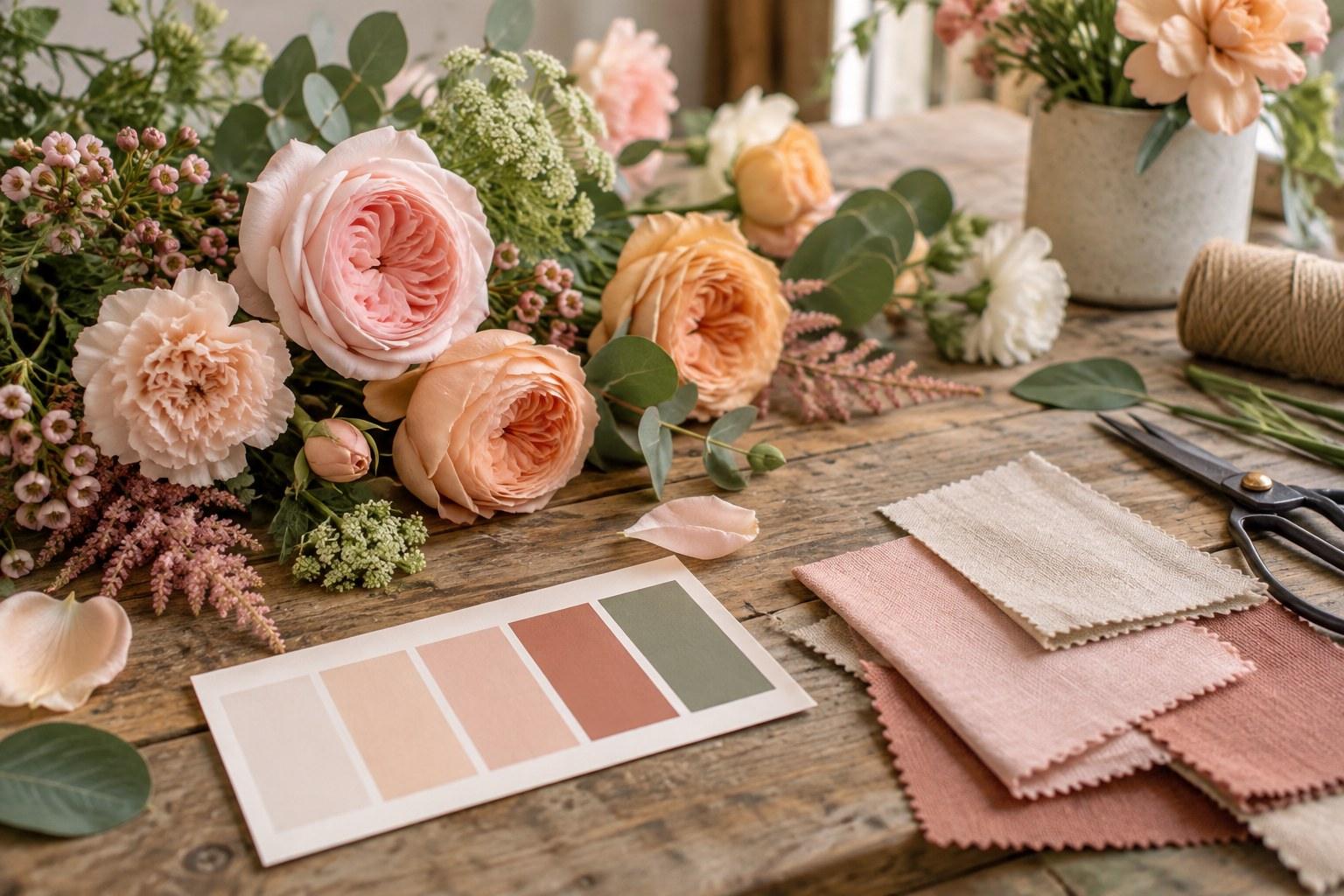
Hold the substitute next to the rest of the palette and your swatches, ideally in daylight. Undertone matters as much as hue: a warm peach and a cool pink can both be called “blush” and look completely wrong together.
3. Match size and shape
A big open bloom and a tight little bud read differently, even in the same colour. If the substitute is smaller, you might need more stems or a cluster to give the same visual weight. If it’s larger, use fewer so it doesn’t dominate.
4. Check vase life and hardiness
Think about where the flower is going. A bouquet held for hours, a buttonhole out of water, an arch outdoors — they all need stems that can cope. A delicate substitute might be fine in a vase on a table but wilt fast out of water.
5. Consider scent and allergies
Strongly scented flowers can overwhelm a dining table, and some couples or guests have sensitivities. If the couple flagged allergies or a dislike of strong fragrance, check your substitute doesn’t reintroduce the problem.
Wedding flower substitution ideas by role
Here are some swaps florists commonly reach for. Treat them as starting points, not guarantees — what’s available and looking good will depend on your market, your suppliers and the week.
| Flower role | What to match | Example swap idea |
|---|---|---|
| Focal | Visual weight, colour, open shape | Garden roses swapped for a fully opened standard rose or peony-style rose |
| Secondary | Softness, layered petals, size | Ranunculus swapped for lisianthus, or the other way around |
| Filler | Volume, airiness, colour tone | Spray roses to add softness where smaller garden-style blooms were planned |
| Line / texture | Movement, height, delicacy | One airy stem swapped for another with a similar fine, trailing habit |
| Foliage | Colour (silver, green, dark), leaf size, movement | One eucalyptus type swapped for another, or a softer trailing green for a structured one |
Notice the pattern: the swap always serves the role and the look, not the name of the flower. Foliage is especially forgiving — changing one green for another of similar tone and movement is often invisible to everyone except you.
How to tell the couple about a flower substitution
How you communicate a change matters more than the change itself. A few principles:
- Decide what’s worth mentioning. A filler or foliage swap that keeps the look identical usually doesn’t need a message. A change to the hero flower in the bridal bouquet does.
- Tell them early when you can. If you know a few weeks out that a variety is unlikely, say so then — not the night before.
- Bring a solution, not a problem. Open with what you’re doing: “The coral peonies aren’t looking great this week, so I’m using these instead — same colour, same soft shape.”
- Send photos of options. A quick photo of the substitute beside the rest of the palette does more than a paragraph of description.
- Stay calm. Your tone sets theirs. If you sound relaxed and in control, they will be too.
And don’t send stressful messages on the morning of the wedding unless something truly changes the outcome. Your couple has enough going on.
On-the-day backups every wedding florist needs
Even with perfect planning, you’ll find a snapped stem or a bloom that opened overnight. Build your backup into the order:
- Order spare stems. Add a buffer to your key flowers, especially focals and anything fragile, so a few duds don’t leave you short.
- Build a buffer into your recipes. Write recipes with a little flexibility — “5–7 focal stems” — so you can adjust based on bloom size and quality.
- Have a foliage-led fallback. If a focal truly doesn’t arrive, a lush, textural, foliage-forward design in the right palette can still look intentional and beautiful.
- Pack a repair kit. Spare stems for buttonholes, ribbon, pins, tape and water — the small stuff saves the day.
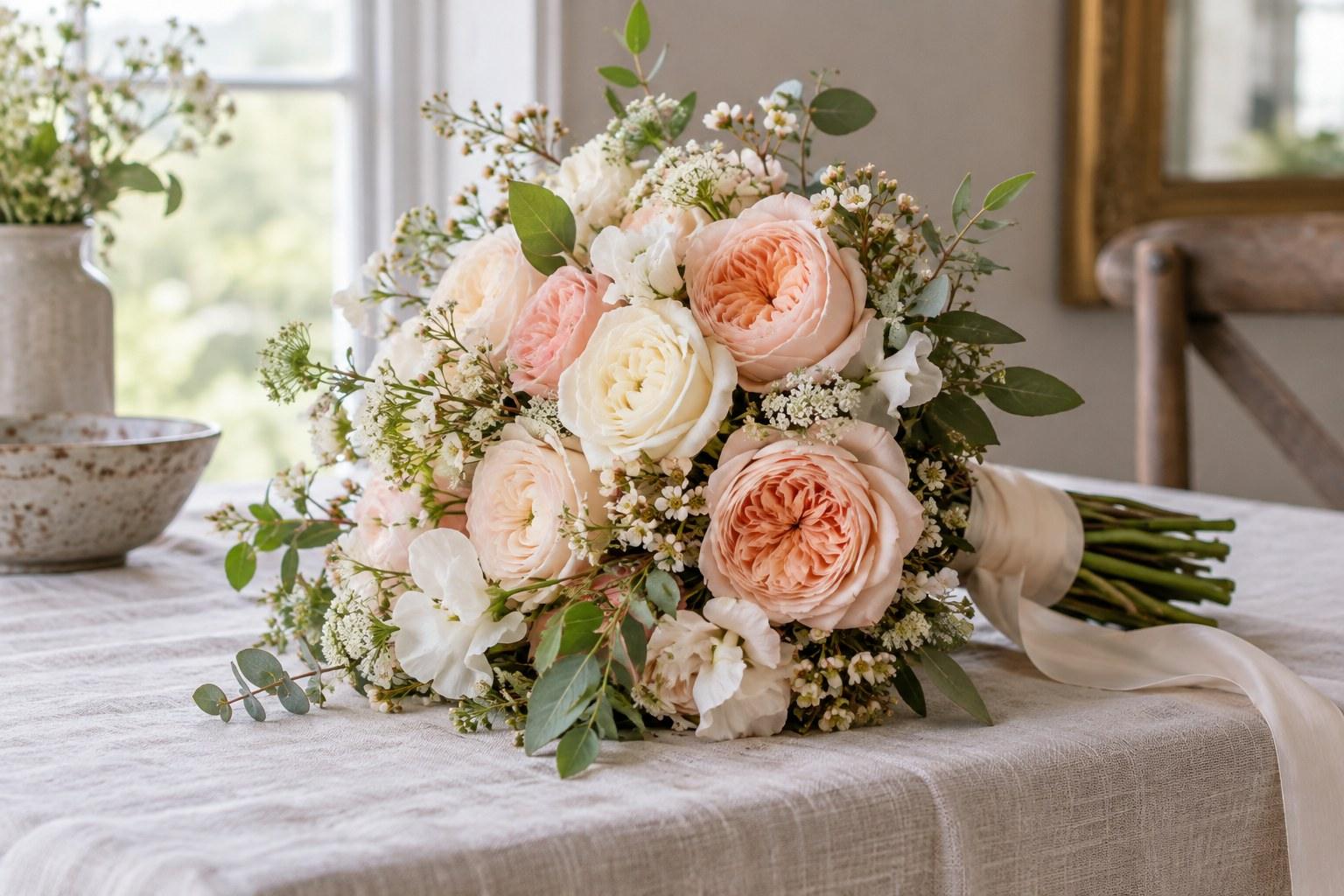
Working with wholesalers and growers
Your suppliers are your best early-warning system. Treat them like partners, not vending machines.
- Order early and confirm close to the date, so you hear about shortages while there’s still time to adjust.
- Ask what’s looking good. “What’s beautiful at the moment in peach and cream?” often gets you better flowers than insisting on one variety.
- Build standing relationships. A wholesaler or local grower who knows you and your style is far more likely to call you with a heads-up — or set aside something special.
- Share the brief, not just the list. If your supplier knows the palette and mood, they can suggest substitutes before you even ask.
Document substitutions in your recipes and proposals
Write your backups down. For each key flower in a recipe, note one or two acceptable alternatives that match the role and colour. Then, when the call comes, you’re not deciding under pressure — you’re following your own plan.
After the wedding, record what you actually used and how it performed. Over time, you’ll build a personal library of swaps that you trust. If you want a ready-made reference for recipes, ordering and workflow, the Wedding Florist’s Handbook ebook is a practical companion to keep beside your bench.
Flowers are only one part of the wider look, too. Understanding how blooms sit alongside linen, candles, furniture and colour is what the Certificate in Wedding Styling covers — useful if you want to offer more than flowers. And if you’re ready to build a fuller creative business, the Advanced Certificate in Wedding Planning, Styling and Business brings planning, styling and business together.
Want to design with confidence — recipes, mechanics, proposals and the professional systems behind them? The Certificate in Floral Design is where to start. 🌸
Wedding flower substitutions FAQs
Can a florist substitute wedding flowers without asking?
It depends on your contract. Most professional florists include a substitution clause allowing them to swap varieties of similar colour, style and value if the original flowers are unavailable or not up to standard. Small swaps that keep the look the same are usually made without asking; bigger changes to a key flower are best discussed with the couple first.
What should a flower substitution clause say?
In plain terms: flowers are a natural product, colour and size will vary, and if a chosen flower is unavailable or not of suitable quality you’ll substitute one of similar colour, style and value while keeping the overall look. Have the final wording checked against your local legal requirements.
How do you choose a substitute flower for a wedding?
Match the flower’s role in the design first — focal, secondary, filler, line or foliage — then match colour, size and shape. Finally, check vase life and hardiness for where it’s going, and consider scent and any allergies the couple mentioned.
Should I tell the couple about every flower substitution?
Not necessarily. Swaps that don’t change the look — a different foliage or filler in the same tone — usually don’t need a message. If a hero flower or a noticeable colour changes, let the couple know early, with photos and a clear solution.
How many extra stems should a wedding florist order?
There’s no single rule — it depends on how fragile the flower is, your supplier’s reliability and how critical the stem is to the design. Order a buffer on focal and delicate flowers in particular, and write recipes with a range so you can adjust on the day.