
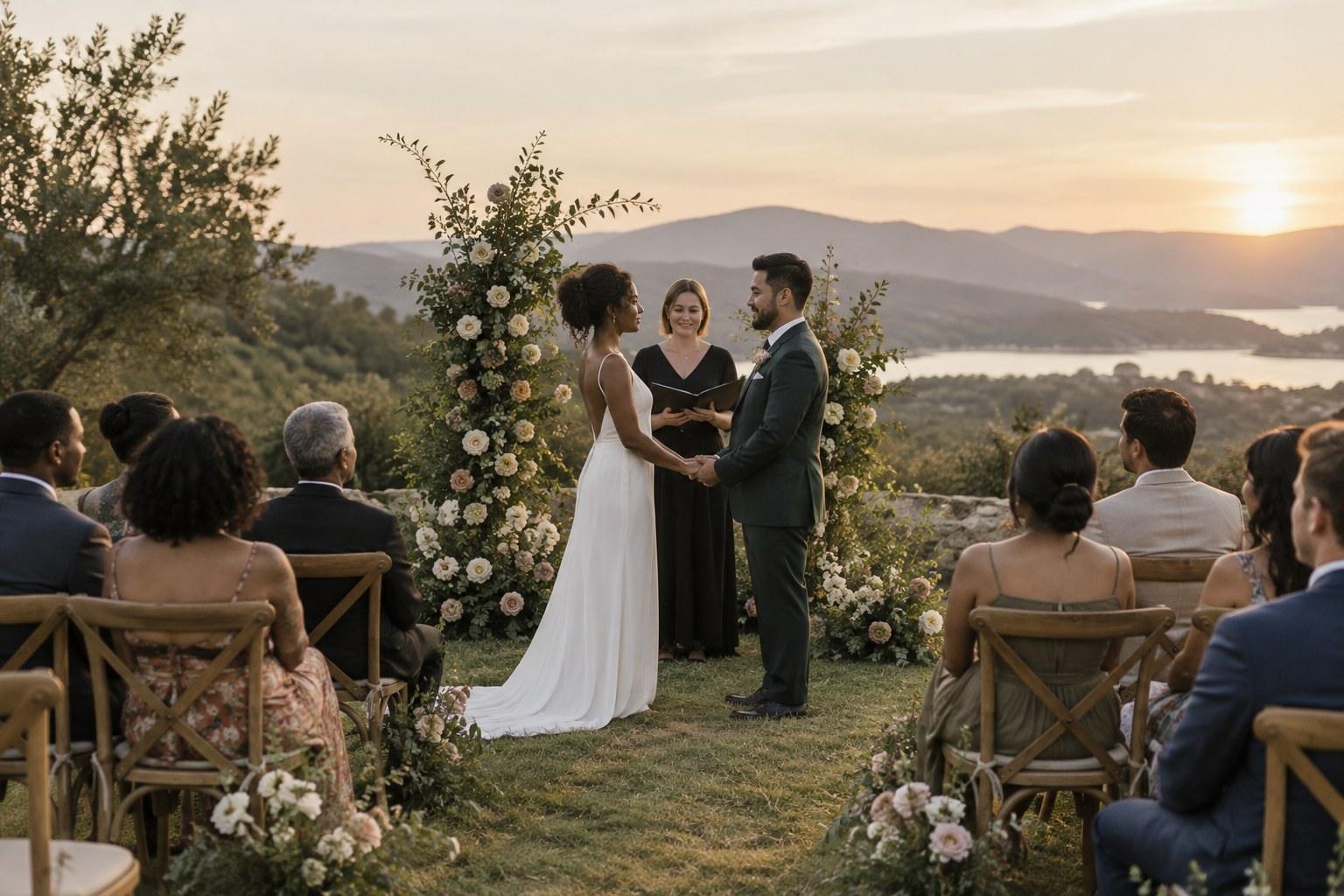
Twenty guests does not mean twenty per cent of the work. Say it again, out loud, before your next enquiry lands — because the couple asking about micro wedding packages almost always assumes a small guest list means a small invoice, and if you haven’t built your pricing to answer that, you’ll flinch and discount.
Micro weddings are smaller, not simpler. You still source the venue, run the timeline, the supplier contracts, the rehearsal, the wet-weather plan, the family dynamics. Still a ceremony, still a dinner, still a moment where someone’s uncle needs managing. The only thing that shrank was the headcount — one of the cheapest inputs in the whole event.
So here’s how to build and price micro wedding packages that protect your time, read clearly on your website, and stop you quietly working luxury hours for a coordination fee.
What is a micro wedding — and what actually makes it different?
A micro wedding is a full wedding at a small scale. Broadly, couples use the word for something in the region of a dozen to fifty guests — a real ceremony and a real reception, just intimate. That’s what separates it from an elopement, which is usually the couple, the celebrant and two witnesses, with the day built around the two of them rather than around hosting.
The practical difference for you? An elopement can genuinely be a shorter scope of work. A micro wedding usually isn’t — fewer guests often means more detail per guest, and suppliers whose minimum spends were designed for 120 people.
That’s exactly the territory the Certificate in Intimate, Micro & Destination Weddings is built for — the planning mechanics of small-scale and away-from-home weddings, which behave nothing like a scaled-down ballroom.

How to price micro wedding packages: time, not headcount
Here’s the single shift that fixes most micro wedding pricing problems: price your hours, not their guests.
Write down every task in your full-planning scope. Now cross off the ones that genuinely disappear at twenty guests. You’ll find the list is short — seating a small room is faster, RSVP chasing is faster, and transport logistics get simpler. Everything else stays: venue search, budget build, supplier curation, contract review, design development, timeline, rehearsal, day-of delivery, post-wedding wrap-up.
Estimate the hours honestly, including the invisible ones — emails, calls, the revision round you always get, travel time. Multiply by your rate. That’s your floor. If it lands uncomfortably close to your full-wedding fee, that’s not a maths error; that’s information.
Build a minimum fee and hold it
Every planner needs a number below which a wedding isn’t worth doing — the point where the day costs you more in opportunity, admin and emotional load than it returns. Set it, publish it as a “packages from” line, and let it filter your enquiries before they reach your inbox. A minimum fee isn’t arrogance. It’s the thing that keeps you solvent in a season of small bookings.
Never price as a percentage of the couple’s budget
Percentage pricing punishes you here. Total spend drops — less catering, less alcohol, fewer chairs — none of which reduce your workload. Flat package fees, or an hourly rate with a stated minimum, keep your income attached to your effort rather than someone else’s bar tab.
Charge separately for the things that scale with distance
Micro and destination weddings overlap constantly — small guest lists travel well. Keep travel, accommodation, site visits and on-the-ground time out of your package price and itemise them. Couples accept transparent line items; they resent surprises.
What to include in a micro wedding package
A good package answers three questions instantly: what do I get, what do I not get, and who does what. Vagueness here is where scope creep is born.
Typical inclusions worth defining precisely:
- A stated number of planning meetings or calls — with the length of each, not just the count
- Venue sourcing, with how many options you’ll present and how many site visits are included
- Supplier curation and booking management — name the categories covered
- Budget build and tracking in your format, not a bespoke one per couple
- Design direction: mood board, colour palette, styling brief for suppliers
- Timeline and run sheet, plus supplier schedules
- Ceremony logistics and rehearsal attendance if you offer it
- On-the-day coordination with stated start and finish hours and crew numbers
- Pack-down and supplier sign-off, or an explicit note that it isn’t included
And write your exclusions down before a couple asks: guest accommodation, guest transport, legal paperwork lodgement, unlimited revisions, and anything that happens the morning after.
Inclusions vs add-ons: where to draw the line
The rule of thumb: if every single client needs it, it belongs in the package. If some clients need it, it’s an add-on with its own price. If only one client has ever asked for it, it’s a bespoke quote.
| Element | Core inclusion | Better as a paid add-on |
|---|---|---|
| Planning calls | A fixed number, stated in the contract | Extra calls beyond the allowance |
| Venue sourcing | A shortlist you research and present | Additional site visits or a second region |
| Styling | Design direction and supplier brief | Hands-on install, hire sourcing, on-site styling |
| Guest logistics | Final numbers and dietary collation | Accommodation blocks, transport, welcome bags |
| Day coordination | Ceremony through to speeches, stated hours | Late finish, second coordinator, next-day pack-down |
| Travel | Nothing — itemise it | Flights, accommodation, per-day on-ground fee |
| Extra events | Nothing | Welcome dinner, recovery brunch, rehearsal dinner |
How to tier your micro wedding packages
Three tiers is the sweet spot. Two feels like a choice between cheap and expensive; five makes people freeze and “think about it”.
Tier one: intimate coordination
For couples who’ve booked their own venue and suppliers and need the day run properly. Final-detail management from a set number of weeks out, run sheet, supplier confirmations, rehearsal, and a defined block of hours on the day. This is your entry point — keep the scope tight and the start date late, or it becomes full planning at a coordination price.
Tier two: micro wedding planning and design
Your bread and butter. Venue sourcing, full supplier curation, budget, design direction, timeline and on-the-day delivery for a stated guest cap. Most couples searching for micro wedding packages want this one — they just don’t know the vocabulary yet, so name the outcome, not the service category.
Tier three: full intimate or destination experience
Multi-day: welcome dinner, ceremony, farewell brunch, guest concierge, travel coordination. This is where micro and destination planning fuse, and where your fee should look nothing like a “small wedding” fee — you’re producing three events for a captive audience.
Cap the guest number in every tier. “Up to 30 guests” is a pricing boundary, not a rejection — it gives you a clean, non-awkward reason to requote when the list creeps to 60 in March.
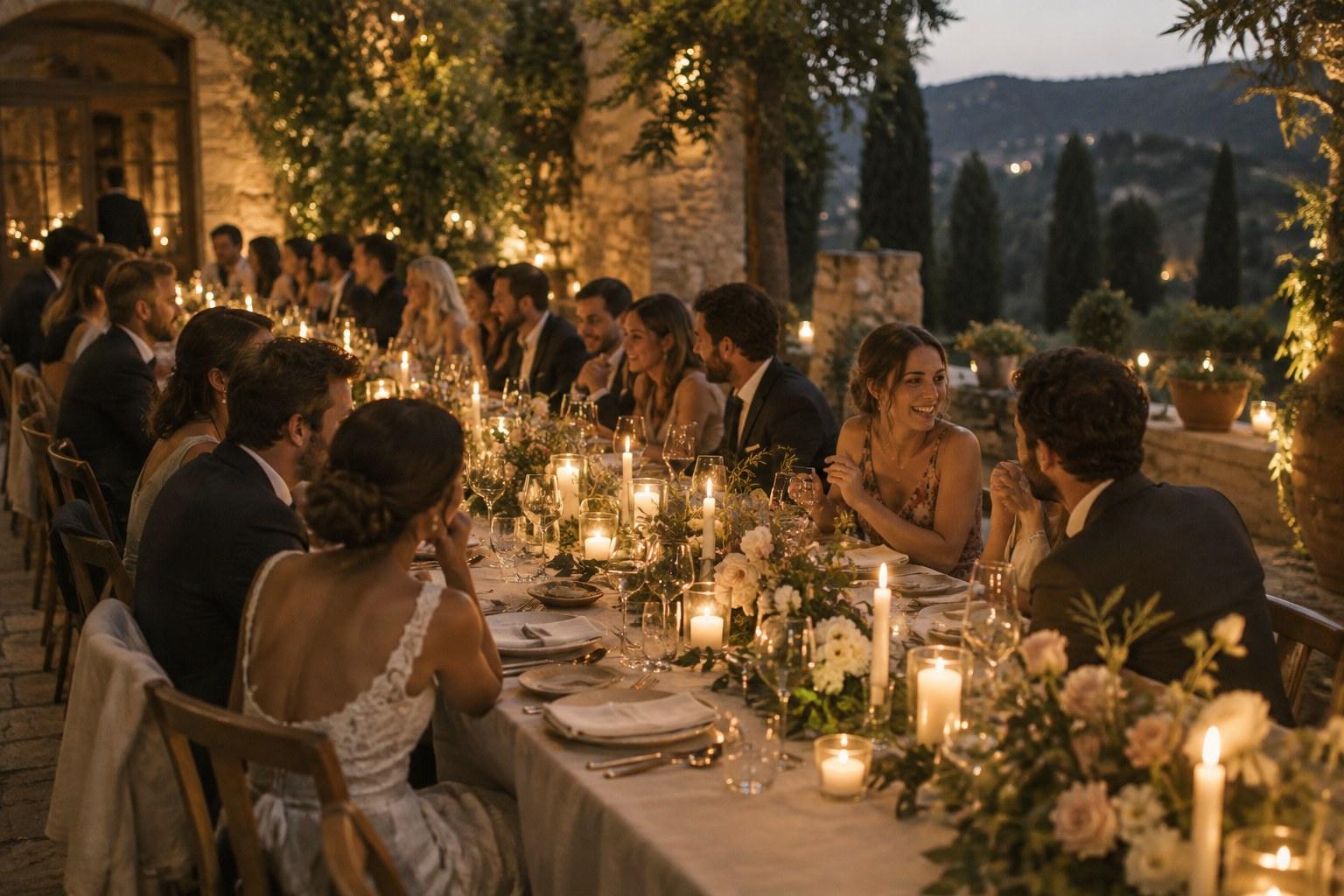
Venue and supplier relationships for small weddings
Micro weddings live or die on supplier goodwill, because you’re asking businesses built around volume to service a small booking. Do the work before you need it.
- Find venues that genuinely want small bookings — restaurants with private rooms, boutique hotels, chapels, estates, vineyards with a midweek gap. Ask directly whether minimum spends flex midweek or off-season.
- Understand minimum spends before you present anything. A venue that requires a large minimum spend is not a micro wedding venue, no matter how pretty the courtyard is.
- Build a short list of suppliers who price small work properly rather than treating it as a favour. Favours expire; commercial arrangements don’t.
- Be the planner who sends repeat work. Small weddings are frequent — be reliable and pay on time and you become steady midweek business, which is the relationship that gets you a yes on a last-minute fix.
- Brief harder, not softer. Fewer guests means fewer moving parts to hide behind. Every supplier gets the run sheet, the arrival window, the contact list and the pack-down plan.
Styling matters more at this scale too, because guests see everything up close. If that’s the part you want to strengthen, the Certificate in Wedding Styling pairs neatly with intimate work, and the Certificate in Wedding Planning covers the process backbone underneath it.
The discount trap: why “it’s only 20 guests” is not a reason to drop your fee
This is where planners lose money, and it’s rarely greed — it’s a misunderstanding. Couples think they’re buying guest management. They’re buying your judgement, your supplier relationships and your capacity to absorb risk.
So answer it before it becomes a negotiation. On your packages page, in your enquiry reply, in the consultation: explain that your fee reflects the planning hours and the delivery, and that those hours don’t shrink with the guest list. Then show them what they get. Specificity beats defensiveness every time.
Watch for these too — the quiet ways micro weddings erode your margin:
- Guest count creep. Twenty becomes thirty-five becomes “well, it’s basically a normal wedding”. Cap it in the contract and requote in writing.
- The unpaid second event. Welcome drinks and a farewell brunch somehow join the scope. If it has a timeline, it has a fee.
- Unlimited access. Small guest lists often come with very engaged couples. Set communication windows early.
- DIY rescue work. Intimate weddings attract handmade plans — and you become the person assembling them at midnight. Price it or decline it.
- Underestimating travel. Two hours each way, twice, is most of a working day.
How to present your packages so couples buy
Write the page in their language. Couples don’t search for “partial planning scope” — they search for micro wedding packages and intimate wedding planners. Use those words, then describe the outcome: “a day that runs to time, with nobody in your family holding a clipboard.”
Show a “from” price so you filter enquiries, keep inclusion lists parallel across tiers, put add-ons in a visible list rather than hiding them until contract stage — and say who it’s not for.
Micro wedding packages FAQs
How many guests is a micro wedding?
There’s no fixed rule, but couples generally use the term for roughly a dozen to fifty guests — a complete wedding day at an intimate scale. Whatever range you work with, state a guest cap in your packages so the number becomes a pricing boundary rather than an argument later.
Should micro wedding packages cost less than full weddings?
Only to the extent that your workload is genuinely smaller. Price the hours the scope actually takes, including travel and revisions. If the planning work is nearly identical, the fee should be nearly identical — the guest count is one of the least labour-intensive parts of the job.
What’s the difference between a micro wedding and an elopement?
An elopement centres on the couple with minimal or no guests beyond witnesses. A micro wedding still hosts people — ceremony, dinner, speeches, styling — just with a small guest list. Elopements can be a smaller scope of work; micro weddings usually aren’t.
How do you structure micro wedding package tiers?
Three tiers works best: coordination only, full planning and design, and a multi-day intimate or destination experience. Keep inclusions parallel so couples can compare, cap guest numbers in each, and move anything optional into clearly priced add-ons.
How do you handle couples who ask for a discount because the wedding is small?
Explain what your fee buys — planning hours, supplier management and delivery — and show the task list that doesn’t shrink with the guest count. Offer a smaller scope instead of a smaller price: a coordination tier is a real option, a discounted full-planning package isn’t.
Learn to plan and price intimate weddings properly
Small weddings aren’t a consolation prize — they’re a specialism, and they’re growing. Get the scoping, pricing and supplier systems right and you can build a whole business on intimate and destination work. The Certificate in Intimate, Micro & Destination Weddings is where you learn it end to end, with the structure to package and sell it confidently. 🤍



