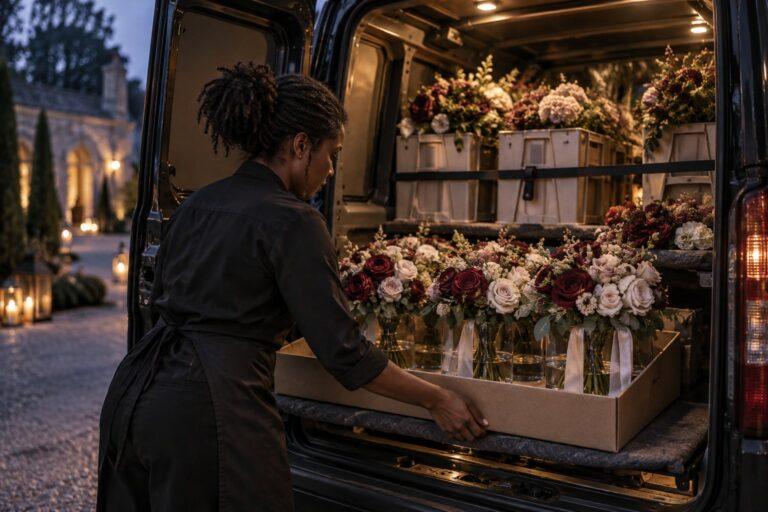
A wedding planner’s day-to-day work is a mix of client communication, supplier coordination, budgeting, timeline and design work, venue visits, business admin and marketing — punctuated by long, hands-on wedding days where they run the entire event. On a typical weekday you’re far more likely to find a planner answering emails, building a run sheet or walking a venue than arranging flowers.
If you’re thinking about becoming a planner, it’s worth knowing what the job really looks like beyond the beautiful photos. So, what does a wedding planner do, hour by hour and week by week? Here’s the honest breakdown — the glamorous bits, the unglamorous bits and the skills that hold it all together.
What does a wedding planner do? The short answer
At its core, a wedding planner helps a couple turn their vision into a real event, on budget and on time, while taking the stress of organising it off their shoulders. That covers:
- Understanding the couple’s vision, priorities and budget
- Researching, recommending and booking venues and suppliers
- Building and managing the budget
- Creating timelines, checklists and run sheets
- Guiding design and styling decisions (or working with a stylist)
- Managing contracts, payment schedules and communication with suppliers
- Coordinating guest logistics such as accommodation and transport
- Running the wedding day itself, from setup to pack-down
Behind those client-facing tasks sits a business — and running that business takes up a surprising share of every week.
A typical weekday for a wedding planner
No two days are identical, but here’s what a realistic weekday can look like for a planner juggling several weddings at different stages.
| Time | Typical tasks |
|---|---|
| Morning | Inbox and messages: client questions, supplier quotes, venue updates |
| Late morning | Admin: updating budgets, tracking payments, revising timelines |
| Lunchtime | Supplier meeting or tasting with a couple |
| Afternoon | Site visit at a venue, or a client planning meeting |
| Late afternoon | Design work: mood boards, floor plans, styling briefs |
| Evening | Consult call with a new enquiry who works standard hours |
Planners often work flexible hours. Many couples can only meet in the evening or on weekends, so your schedule bends around theirs.
Client communication
A big part of the job is simply talking to people — answering questions, sending updates, guiding decisions and gently keeping couples on track. Clear, calm communication is arguably the most important skill a planner has. Couples hire you because planning feels overwhelming; every email is a chance to make it feel manageable.
Supplier coordination
Planners spend a lot of time with suppliers: requesting quotes, comparing proposals, negotiating inclusions, checking contracts, confirming details and passing information between them. Good supplier relationships make every wedding easier — and lead to referrals in both directions.
Budget and admin work
Spreadsheets aren’t romantic, but they’re essential. Planners track every quote, deposit and balance, update the budget as decisions are made, and flag early when spending is drifting. Contracts, invoices and payment schedules also need managing — for clients and for your own business.
Site visits, meetings and tastings
Some of the most enjoyable parts of the job happen out of the office. Planners regularly:
- Visit potential venues with couples, or scout new venues on their own
- Hold planning meetings to make key decisions
- Attend menu tastings, cake tastings and hair and makeup trials
- Do final walk-throughs with the venue team, checking layout, access and power
- Run ceremony rehearsals
These visits are where you spot potential problems — the steep stairs, the lack of shade, the single power outlet — long before they become wedding-day emergencies.
Design and creative work
Depending on their services, planners may lead or support the design side: building mood boards, choosing colour palettes, briefing florists and stylists, drawing floor plans and planning the guest experience from arrival to exit. Some planners do all of this themselves; others partner with a dedicated stylist. If design is the part that excites you most, the Certificate in Wedding Styling is worth a look alongside planning.
What a wedding planner does on the wedding day
This is the part everyone pictures — and it’s intense. A wedding day for a planner can easily stretch from early morning until after the last guest leaves. Typical responsibilities include:
- Arriving early to receive and direct suppliers as they set up
- Checking every detail against the plan: layout, styling, signage, place cards
- Checking in on the couple during preparations and keeping the morning on time
- Lining up the wedding party and cueing the ceremony
- Managing transitions between ceremony, drinks, photos and reception
- Coordinating speeches, the first dance, cake cutting and other key moments
- Solving problems quietly, so the couple never knows they happened
- Overseeing pack-down and making sure personal items go home with the right people
It’s physical work. You’ll be on your feet for hours, carrying things, running between spaces and thinking several steps ahead the whole time. Comfortable shoes are non-negotiable.
The business side nobody talks about
If you run your own planning business, a big part of your week has nothing to do with any specific wedding. You’re also:
- Marketing: social media, your website, blogging, photography of your work and networking with venues and suppliers.
- Selling: responding to enquiries, holding consults, writing proposals and following up.
- Managing finances: invoicing, bookkeeping and setting aside money for tax (check obligations with your own accountant).
- Handling legal and admin: contracts, insurance and business registration (check requirements with your own lawyer and the relevant authorities).
- Learning: keeping up with trends, new suppliers and better ways of working.
Many new planners are surprised by how much of the job is running a small business. It’s also the part that determines whether your business grows. If that’s an area you want to strengthen, the Certificate in Wedding Business & Marketing focuses specifically on it.
How a planner’s work changes across the planning timeline
What a planner does on any given day depends on where each wedding sits in its journey. Many couples book a planner somewhere around 6 to 18 months before the wedding.
Early stage
Discovery, budget setting, venue search and booking the major suppliers: venue, caterer, photographer and celebrant or officiant.
Middle stage
Design development, booking remaining suppliers, guest logistics, invitations and regular check-ins with the couple.
Final stage
Confirming every supplier, finalising numbers and seating, building the run sheet, running the rehearsal and preparing the emergency kit.
After the wedding
Returning hired items, settling final supplier matters, sending a thank-you and asking for a review or testimonial for your own marketing.
Because you’re usually juggling several weddings at different stages, a single week might include an early-stage venue search, a mid-stage design meeting and a final-week confirmation sprint.
The emotional side of the job
Here’s something rarely mentioned in job descriptions: a planner is often part counsellor. Weddings bring up big feelings — family tension, grief for loved ones who aren’t there, money worries, pressure to please everyone. Couples will sometimes share things with you they haven’t told their closest friends.
Day to day, that means listening patiently, staying neutral in family disagreements, reassuring nervous couples and knowing when to gently steer a conversation back to decisions. It also means looking after yourself. Long days, emotional clients and constant problem solving can be draining, so successful planners build boundaries: set office hours, agreed response times and a clear process for urgent issues. Protecting your own energy is what lets you show up fully for every couple.
Skills you need to do the job well
- Organisation: systems for tracking every detail across multiple weddings.
- Communication: clear, warm and calm with couples, families and suppliers.
- Problem solving: staying composed and finding solutions under pressure.
- Negotiation: getting value for clients while keeping supplier relationships strong.
- Creativity: helping couples express their personality through the day.
- Business skills: marketing, sales and financial management.
The good news: every one of these can be learned and practised. The Certificate in Wedding Planning covers the planning process end to end — from consultations and budgets to suppliers, timelines and running the day — studied 100% online. For practical checklists and tools you can use from your first client, see The Wedding Planner’s Handbook by Jac Bowie.
Frequently asked questions
What does a wedding planner do on a normal day?
On a normal weekday, a planner typically answers client and supplier emails, updates budgets and timelines, attends meetings, tastings or site visits, works on design and handles business tasks such as marketing and invoicing.
Do wedding planners work weekends?
Often, yes. Many weddings happen on weekends and many couples prefer evening or weekend meetings, so planners usually work flexible hours.
How long is a wedding day for a planner?
A wedding day can stretch from early morning setup until after the last guests leave and pack-down is complete, so it’s often a very long day on your feet.
Is being a wedding planner stressful?
It can be demanding, especially close to the wedding, but strong systems, clear communication and a solid contingency plan make the job far more manageable and enjoyable.
What qualifications do you need to be a wedding planner?
There’s generally no mandatory qualification, but professional training helps you learn proven processes, build confidence and show couples you’ve invested in your skills.
Ready to find out if wedding planning is your dream job? Learn the real day-to-day skills — clients, suppliers, budgets, timelines and wedding-day coordination — with The Wedding Academy, online and at your own pace.