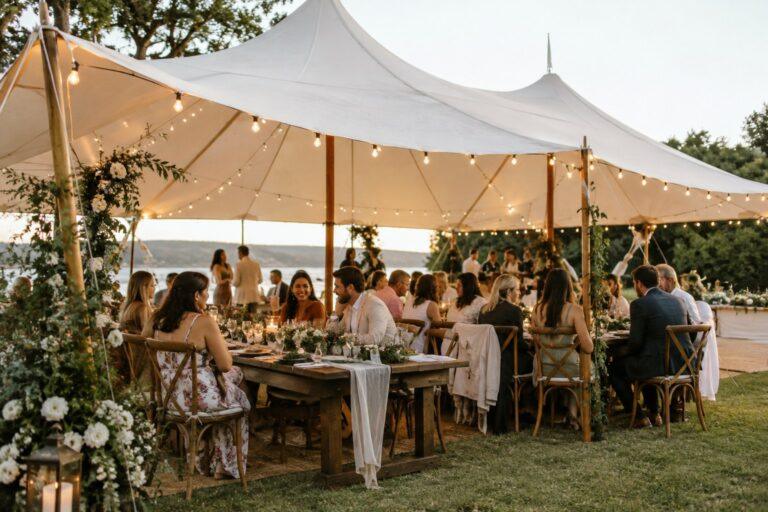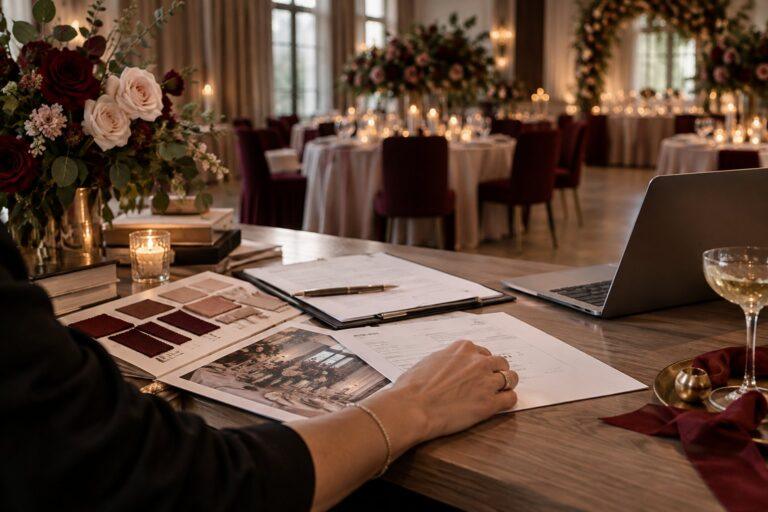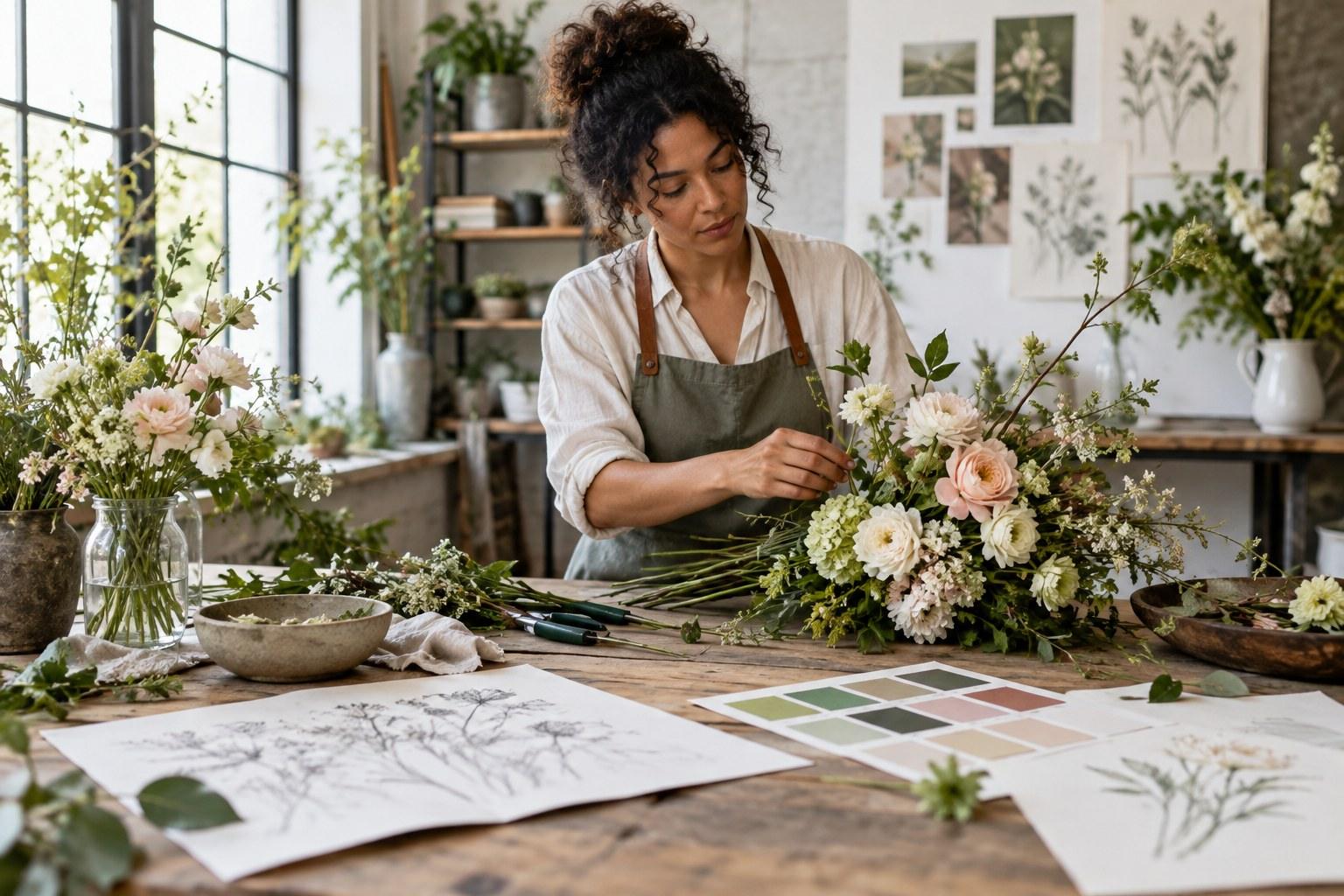
If you have ever stared at an endless email chain trying to interpret a client’s vague floral preferences, you already know why a professional wedding floral design board is non-negotiable. Clients rarely speak fluent floristry. When they say they want something romantic and organic, they might be picturing tumbling garden roses or stiff, hyper-structured modern installations. Translating those abstract thoughts into a concrete visual format bridges the gap between expectation and reality before a single stem is ordered.
Building a structured presentation does more than look pretty on a screen—it acts as a clear contract for your artistic vision. It stops endless email revisions, aligns your client’s budget with physical reality, and establishes your professional authority from day one. When you hand over a carefully curated visual concept, you stop guessing what the client wants and start guiding them toward a cohesive, executable design.
Yet, many florists struggle to put these decks together without overwhelming the client or leaving critical gaps. A strong concept deck is not just a random collage of pretty images pulled from search engines; it is a strategic blueprint. Let us break down how to build presentations that communicate clearly, protect your profit margins, and lock in client approvals faster than ever.
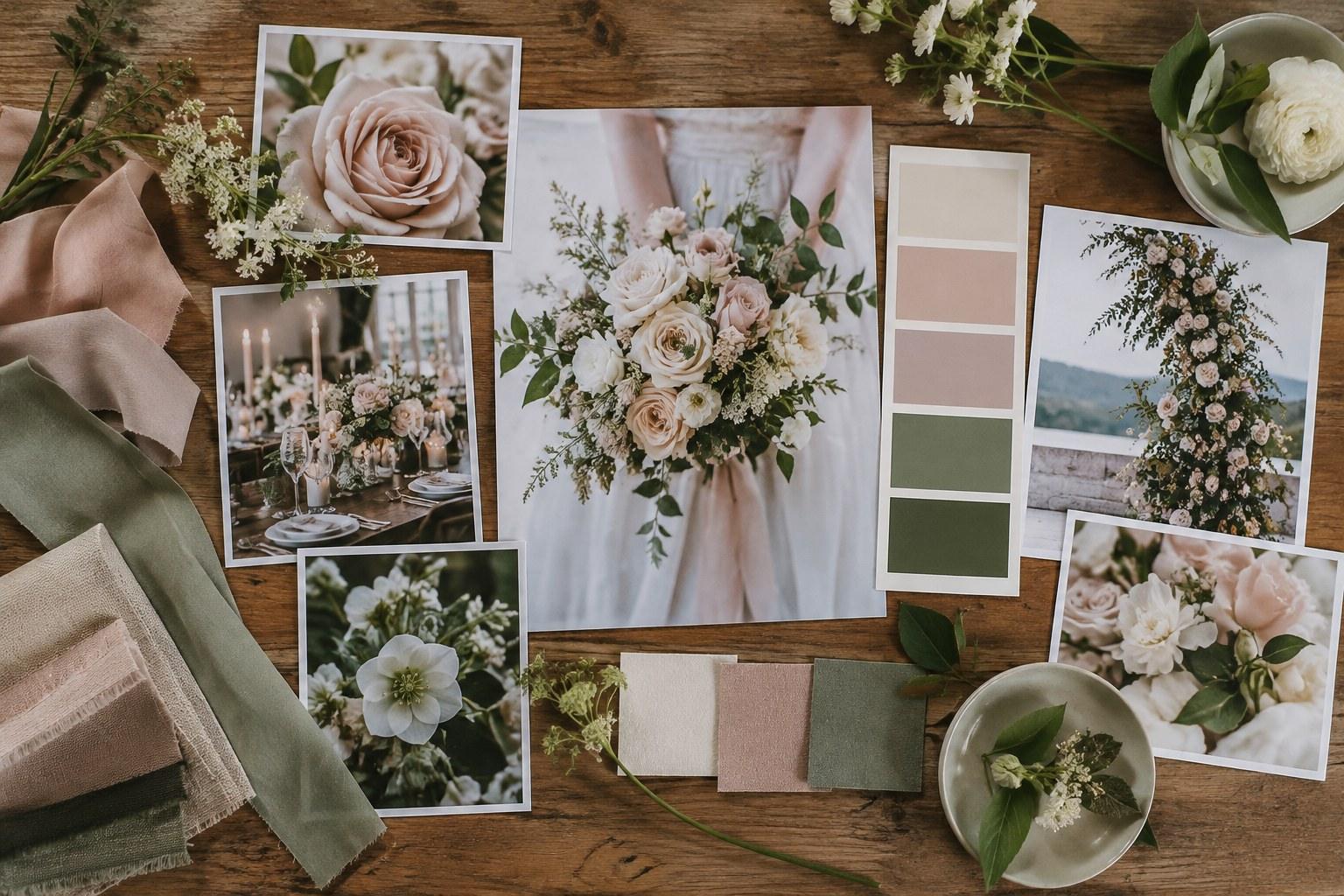
Deconstructing the Anatomy of a Wedding Floral Design Board
A successful visual presentation is built on layers. If you toss twenty different photos of centerpieces onto a single slide, your client will look at the chaos and pick out elements that contradict one another. You need to organize the visual information into digestible categories so the client understands the overarching aesthetic.
Color Palettes and Primary Tones
Start your presentation with a dedicated color story. Do not rely solely on general color names—use specific swatch codes or high-resolution imagery that isolates the exact shades you plan to use. Include primary tones, secondary accent colors, and neutral base colors that will anchor the overall look. When clients see the exact hue of dusty mauve or muted terracotta paired against a dark green foliage, misunderstandings evaporate entirely.
Texture and Botanical Hierarchy
Next, introduce texture. Floristry is a tactile medium, and your digital or printed layout must communicate how different stems interact within a vessel. Group flowers by role: focal blooms, secondary fillers, and structural greens. Show your client how a velvety garden rose sits next to wispy butterfly ranunculus or textured eucalyptus. This botanical hierarchy proves you have thought through the mechanics of the arrangement, not just the color palette.
Comparing Vague Inspiration to a Structured Wedding Floral Design Board
The difference between an amateur mood board and a professional presentation lies in curation and categorization. Here is how your approach should shift:
| Design Element | Vague Inspiration Dump | Professional Wedding Floral Design Board |
|---|---|---|
| Color | Fifty different shades of pink and red mixed haphazardly | Strict five-color palette with exact hex or swatch matches |
| Flowers | Random mix of hard-to-source and incompatible blooms | Curated list of structurally stable, visually harmonious varieties |
| Scale | Mixed close-ups and wide shots with no spatial context | Side-by-side comparison of ceremony installations versus table scapes |
| Approval | Open-ended feedback leading to endless revision rounds | Locked-in concept with clear parameters and sign-off points |
Mapping Out Ceremony and Reception Spaces Visually
A standalone centerpiece photo means very little if the client does not understand how that piece scales within an entire venue. Your concept presentation must bridge the gap between individual floral recipes and spatial architecture.
Focal Points and Structural Scale
Dedicate specific sections of your board to large-scale installations, such as ceremony arches, hanging clouds, or entryway urns. Pair these images with architectural reference points so the client can visualize the true height and width of the design. If an arch requires massive structural greenery to feel balanced in a cavernous industrial hall, your board should reflect that exact scale rather than a tiny tabletop arrangement.
For those looking to expand their overarching aesthetic capabilities across multi-disciplinary events, exploring a specialized resource like the Certificate in Wedding Styling helps connect floral elements seamlessly with overarching event decor, rentals, and lighting.
To master the foundational technical skills required to build these comprehensive visual decks and execute the designs flawlessly in real life, enroll in the Certificate in Floral Design today.

Common Design Board Mistakes to Avoid
Even experienced designers sometimes fall into traps that invite client pushback or logistical headaches down the road. Protecting your workflow means knowing what pitfalls to sidestep before sending that presentation link.
Overloading the Layout with Clutter
More is not better when it comes to visual presentations. If your concept deck contains fifty conflicting images, your client will inevitably fixate on an outlier that does not fit the proposed design. Keep your slides clean, intentional, and limited to the exact botanical elements you intend to source. White space is your friend—it lets the flowers breathe and keeps the client’s focus where you want it.
Ignoring Practical Realities on Paper
Never put an arrangement on a board that you cannot physically build, transport, or maintain. If you include delicate, water-sensitive stems in a massive hanging installation without a hidden irrigation plan, your presentation is setting you up for failure. Your visual deck should always reflect structurally sound floral engineering.
Mastering Your Wedding Floral Design Board Presentation
Mastering the art of the wedding floral design board transforms your client interactions from stressful negotiations into smooth, collaborative design sessions. When you present concepts with absolute clarity, clients trust your expertise, respect your boundaries, and sign off on proposals without hesitation.
If you are ready to refine your technical skills, master advanced botanical mechanics, and build a thriving floral business from the ground up, take a look at the comprehensive Certificate in Floral Design. For a deeper dive into professional floral operations, client management, and portfolio building, our training gives you the exact framework you need to scale with confidence.
FAQs
Why is a wedding floral design board essential for florists?
A professional design board serves as a visual contract that aligns client expectations with your artistic capabilities, eliminating vague feedback and reducing endless revision cycles.
What should be included in a floral concept presentation?
Include a curated color palette with swatch codes, categorized botanical types showing texture and hierarchy, and spatial references for ceremony and reception installations.
How do I prevent clients from getting confused by inspiration images?
Keep your layout uncluttered with generous white space, limit your image selections to realistic botanical varieties, and tie every visual element directly to your proposed installation mechanics.
Can digital design boards replace physical mock-ups?
Yes, combining digital mood boards with physical swatch samples or detailed scale renderings helps clients visualize how large-scale installations will fit into their chosen venue architecture.