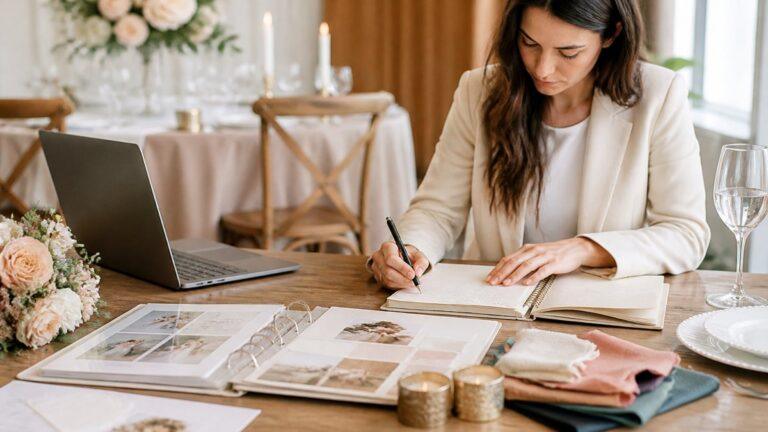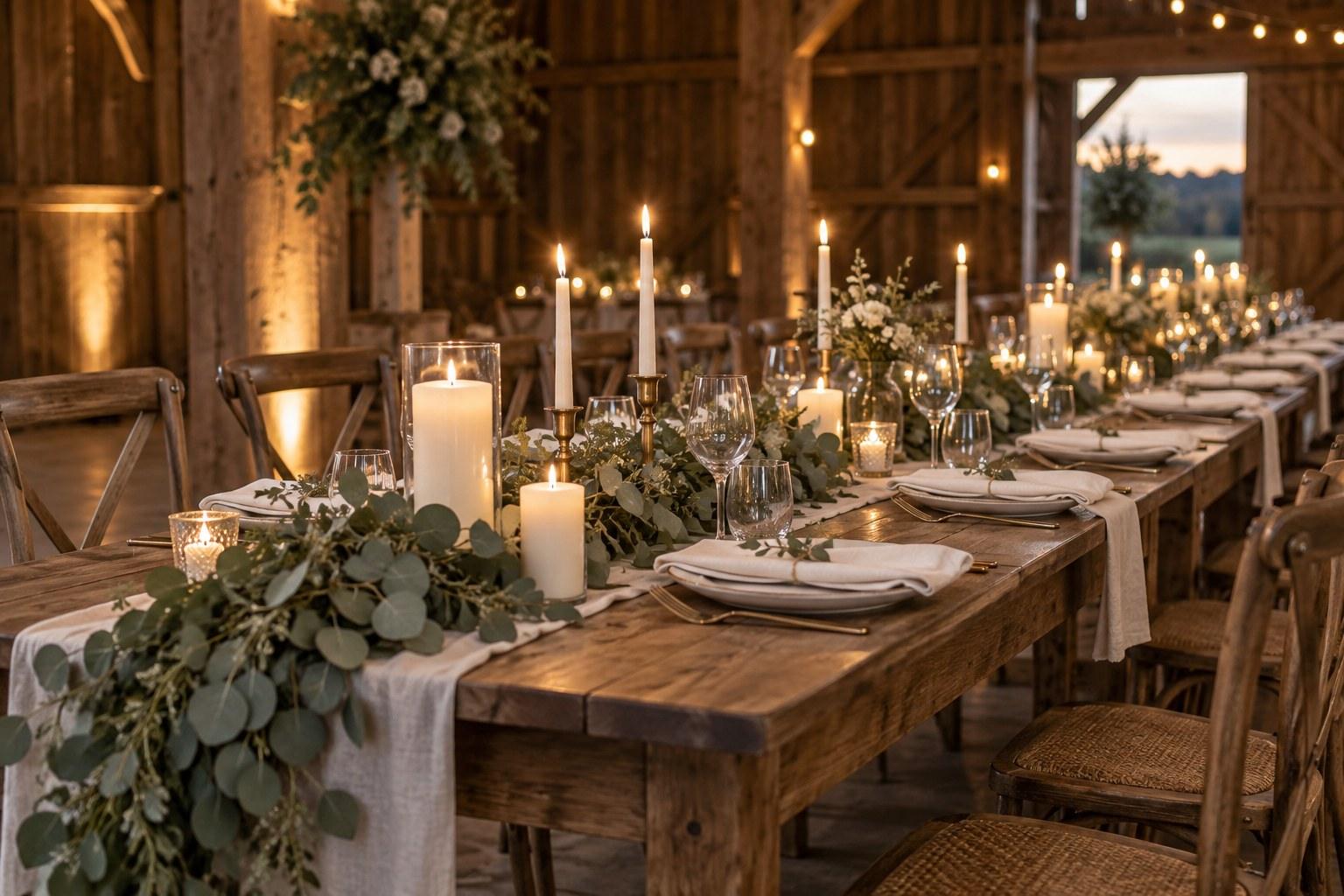
Here’s the catch-22 every new florist hits: the trade wholesalers want to see a business before they’ll open an account, and you can’t build a business until you’ve got flowers to work with. So you sit there with a first booking, a mood board and no idea where the stems are actually going to come from.
Good news — you don’t need a wholesaler account to do beautiful wedding work. Plenty of florists source wedding flowers without a wholesaler in their early days, and some keep doing it by choice because local, seasonal product is exactly what their couples want. You just need a plan, a few relationships and a ruthless approach to timing and quality.
Here’s how to buy stock, look after it and build towards a trade account — without faking it.
Can you source wedding flowers without a wholesaler?
Yes. A wholesaler is convenient — huge range, one pick-up, predictable supply — but it isn’t the only door. Your realistic options are:
- Local growers and flower farms
- Flower markets, where they allow public or casual buyers
- Buying through an established florist who already has trade access
- Retail florists and supermarkets — for fillers and emergencies, with limits
- Your own garden, especially for foliage
- Foraging, done ethically and legally
Most new florists blend two or three. The skill is knowing which source suits which part of the design — and leaving enough time that nothing depends on luck.
Local growers and flower farms: your best first relationship
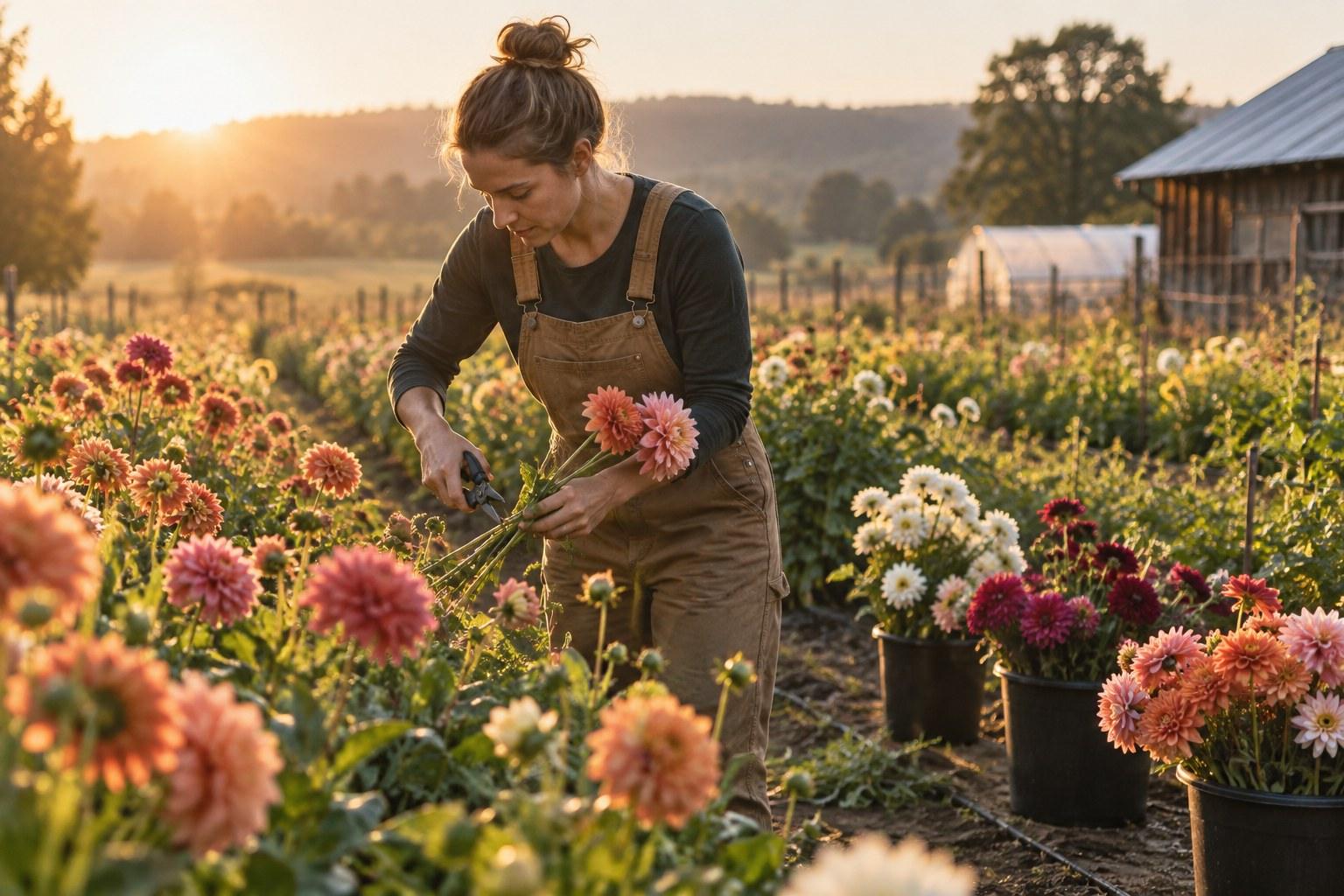
If there’s one place to start, it’s here. Many small growers sell direct to florists and want reliable, regular buyers — which you can be.
How to find flower growers near you
Search for local flower farms and cut-flower growers in your area. Check farmers’ markets, grower networks and regional Instagram hashtags. Ask other small florists who they buy from — the worst they can say is no.
How to approach a grower
Don’t open with “what’s your cheapest price?” Explain who you are, what work you do and when you’ll need product. Ask what they grow across the season, how they take orders, their minimums and whether you collect. Then order what you said and pay on time — reliability is your currency before you have volume.
The trade-off? Growers are seasonal and weather-dependent — one storm or heatwave can wipe out a crop the week before your wedding. So build flexibility into your designs and client conversations. Promise a palette, a mood and a style of flower, not an exact variety. That flexible, professional mindset is what the Certificate in Floral Design is built to develop — it’s what separates calm florists from panicked ones.
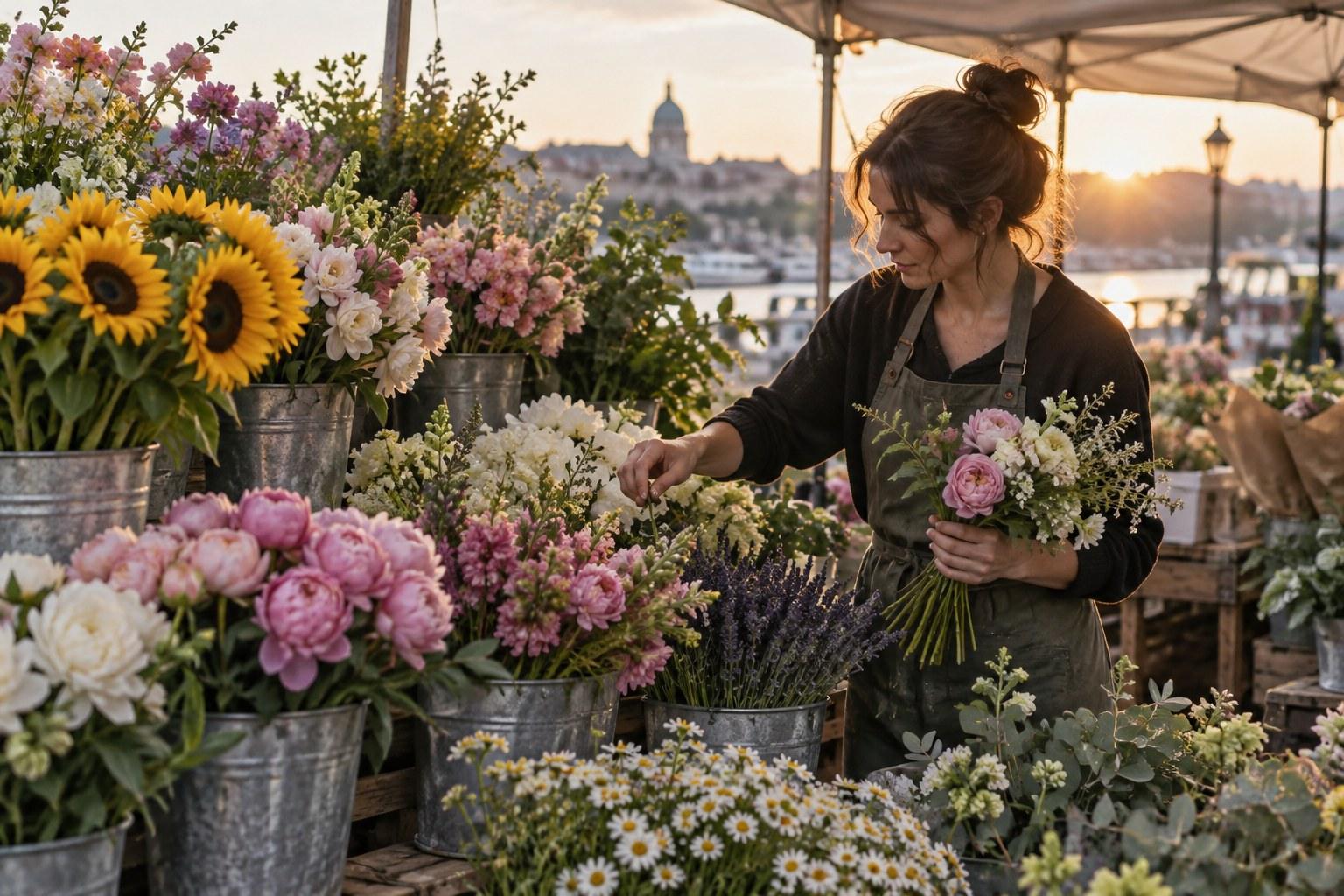
Flower markets: check the access rules first
Some flower markets are trade-only. Some have public trading days, day passes or registration options. The rules vary by city and country — and they change — so don’t rely on an old Facebook group comment.
Check your local market’s own website, or call them, before you go. Ask:
- Can non-account holders buy, and on which days or times?
- Do you need to register, show ID or provide business details?
- Are there minimum purchase quantities — full bunches, full boxes?
- What payment methods do vendors accept?
- Can you pre-order from specific vendors for a set date?
If you do get in, go early, bring buckets and a list, and resist buying everything gorgeous. Know your recipe to the stem and substitute confidently when the hero bloom isn’t there.
Buying through an established florist
This one’s underrated. An established florist with trade access may be willing to add your order to theirs — especially if you’ve freelanced for them, assisted on installs or built a genuine relationship. Some will charge a handling margin, which is fair: they’re lending you their account, their time and their reputation with suppliers.
If you go this route, be easy to help. Send a final stem list well before their ordering deadline, collect when agreed, pay immediately and never go around them to their supplier. Bonus: freelancing for experienced florists teaches you how professional ordering and installs actually run.
Retail florists and supermarkets: useful, but know the limits
Supermarket and retail flowers can save you in a pinch — extra greenery, a filler, a morning-of top-up. But know what you’re buying:
- You usually can’t see how old it is. Stock may already be days into its vase life.
- Consistency is patchy. Colour, stem length and head size can vary from bunch to bunch and store to store.
- Quantity isn’t guaranteed. Needing forty matching stems on a Friday is a gamble.
- Range is narrow. You’ll find the mainstream varieties, rarely the textural, garden-style stems wedding couples ask for.
Use retail for fillers, practice and emergencies. Don’t build a bridal bouquet’s hero flowers around it.
Grow your own foliage (and the odd filler)
Foliage is where a lot of your volume goes — arches, garlands, runners, bouquet structure — and it’s the easiest thing to grow. Even a few large pots of hardy greenery and herbs give you fresh-cut texture on demand.
Ask a local nursery what cuts well in your climate. Be realistic: a garden won’t reliably supply wedding-quantity focal flowers on a specific date. Home-grown stems are your support act, not your headliner.
Foraging for wedding flowers: ethically and legally
Foraged branches and wild texture look incredible — but foraging is where new florists get into genuine trouble. The basics:
- Get permission. Private land needs the owner’s consent. Public land, parks, roadsides and reserves often have their own rules, and in many places cutting is restricted or prohibited.
- Know your local laws. Some plants are protected. Check the rules where you are before you pick anything.
- Know what you’re cutting. Some plants are toxic, irritate skin or are invasive weeds you shouldn’t spread.
- Take lightly. Never strip a plant or a patch. Leave plenty for wildlife and regrowth.
- Check for hitchhikers. Bugs in a bridal bouquet aren’t rustic.
The best foraging is usually “foraging” from a friend’s overgrown garden, with a thank-you arrangement in return. 🌿
Wedding flower sourcing options compared
| Source | Best for | Watch out for |
|---|---|---|
| Local growers and flower farms | Seasonal, garden-style focal flowers and texture; freshness | Weather and seasonality; minimums; pre-ordering needed |
| Flower markets | Range and volume on the day | Access rules vary by location; bunch minimums; early starts |
| Through an established florist | Trade-quality product and imported varieties | Their ordering deadlines; handling margin; protecting the relationship |
| Retail florists and supermarkets | Fillers, practice, emergency top-ups | Unknown age; inconsistent quality; limited quantity and range |
| Home-grown | Foliage, herbs, texture | Not reliable for date-specific focal flowers |
| Foraged | Branches, wild texture, seasonal interest | Permission, local laws, toxicity, pests |
Ordering lead times: work backwards from the wedding
Without a wholesaler’s catalogue, timing is everything. Build a sourcing timeline for every wedding:
- At booking: agree a palette and style with the couple, plus written approval for seasonal substitutions.
- Weeks out: write your recipe — every design, every stem count, plus spares. Talk to your grower or florist contact about what’s likely to be available.
- Before your supplier’s deadline: place a confirmed order in writing. Ask when they need final numbers.
- A few days out: collect or receive product, leaving time for flowers to open and hydrate. Some blooms need days; others are best cut close to the day.
- Design days: build in order of what lasts longest, finishing with the delicate pieces — bouquets and buttonholes last.
Always order spares. Stems snap, heads bruise and something always opens faster than expected.
Conditioning and storing flowers without a cool room
Buying well is only half the job. Poorly conditioned flowers fail on the day, wherever they came from.
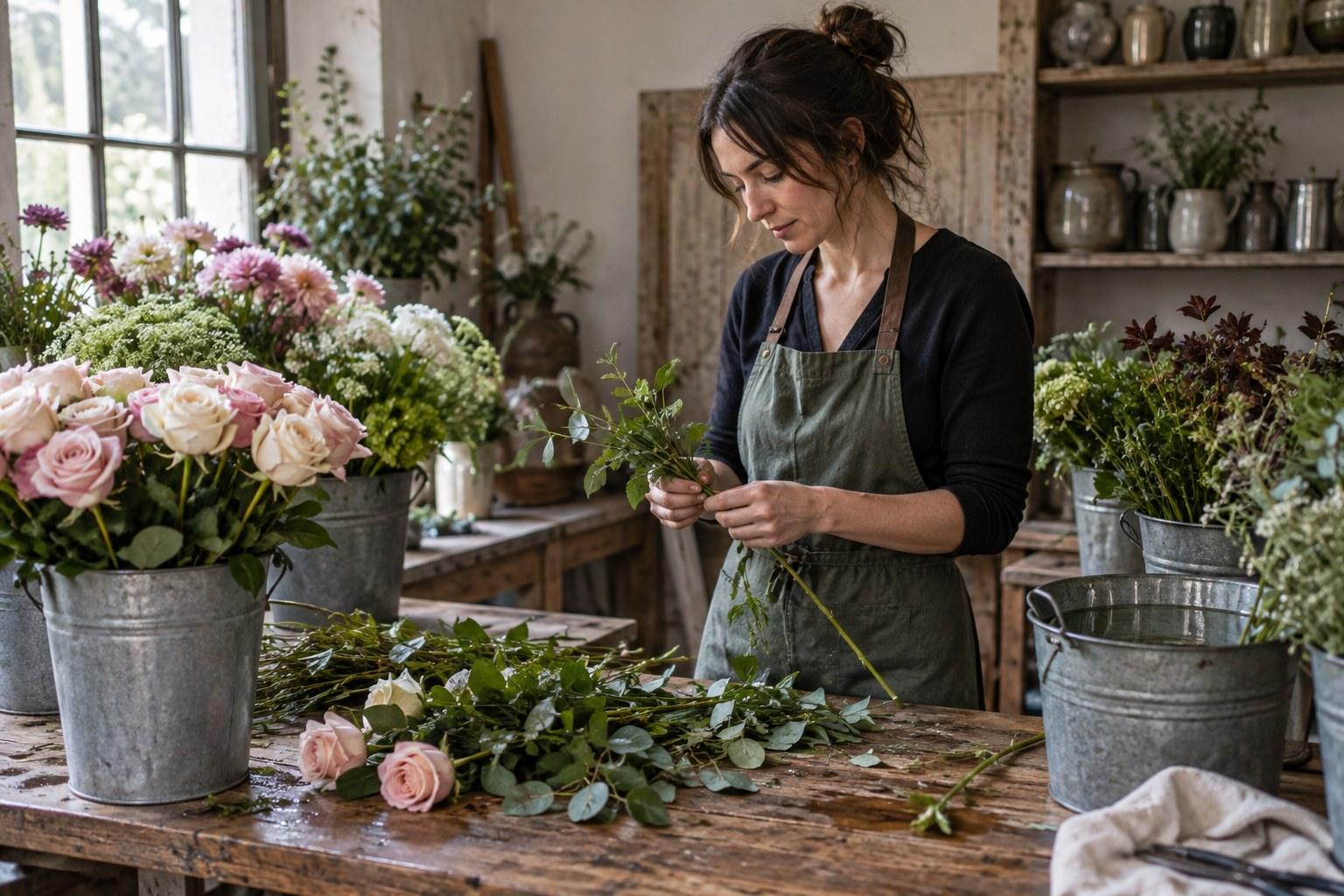
- Clean buckets, every time. Bacteria is the enemy of vase life.
- Strip foliage below the waterline so leaves don’t rot in the water.
- Re-cut stems at an angle with a sharp, clean blade before they go into water.
- Use flower food as directed, and follow specific treatments for woody stems or sappy flowers.
- Rest them somewhere cool, dark and out of drafts for several hours before designing.
No cool room? Use the coolest room you have, keep product out of the sun and away from ripening fruit, and minimise time in a hot car.
Quality checks before you pay
Wherever you buy, check before money changes hands. Look for firm, upright heads; clean, unbruised petals; fresh, green foliage without yellowing; firm stems that aren’t slimy at the base; and no sign of pests or mould. Gently squeeze rose heads — they should feel firm, not soft. Bad stock costs you twice — once to buy it, once to replace it.
Building towards a trade wholesaler account
Treat everything above as a stepping stone. Wholesalers generally want to see a legitimate business, so build one now: register as required where you live, set up a professional website and portfolio, and keep records of your weddings and purchases. Then contact wholesalers directly and ask exactly what they need to open an account — requirements differ, so ask rather than assume.
The business side matters as much as the design side. If you’re setting up properly, the Certificate in Wedding Business & Marketing walks you through building the brand and systems suppliers take seriously. And if you want to expand beyond flowers into full reception design, the Certificate in Wedding Styling is the natural next step.
For the floristry itself, the Certificate in Floral Design gives you the professional foundation to work confidently with whatever stock you can get.
Sourcing wedding flowers without a wholesaler: FAQs
Can I buy from a flower market without a trade account?
Sometimes. Some markets have public trading days or casual buyer options; others are strictly trade-only. Access rules vary by location and can change, so check your local market’s website or call them before you go.
Are supermarket flowers good enough for weddings?
For fillers, practice pieces and emergency top-ups, they can work. For hero flowers, they’re risky — you usually can’t tell how old the stock is, and quality and quantity are inconsistent. Inspect every bunch carefully.
How far ahead should I order wedding flowers from a grower?
Talk to your grower as soon as the wedding is booked, then confirm a written order before their stated deadline. Ask how they work, and collect a few days ahead so flowers have time to hydrate and open.
Is it legal to forage flowers for weddings?
It depends on where you are and what you’re picking. Always get the landowner’s permission, check local rules for public land, avoid protected plants, and never take more than a small amount from any one plant.
What do I need to open a wholesaler account?
Requirements differ between wholesalers, but most want evidence of a legitimate floristry business. Register your business as required locally, build a portfolio and website, then ask each wholesaler directly what they need.
No wholesaler account yet? That’s not a reason to wait. Learn to design with seasonal, local and flexible stock now — and build the business that opens every trade door later.