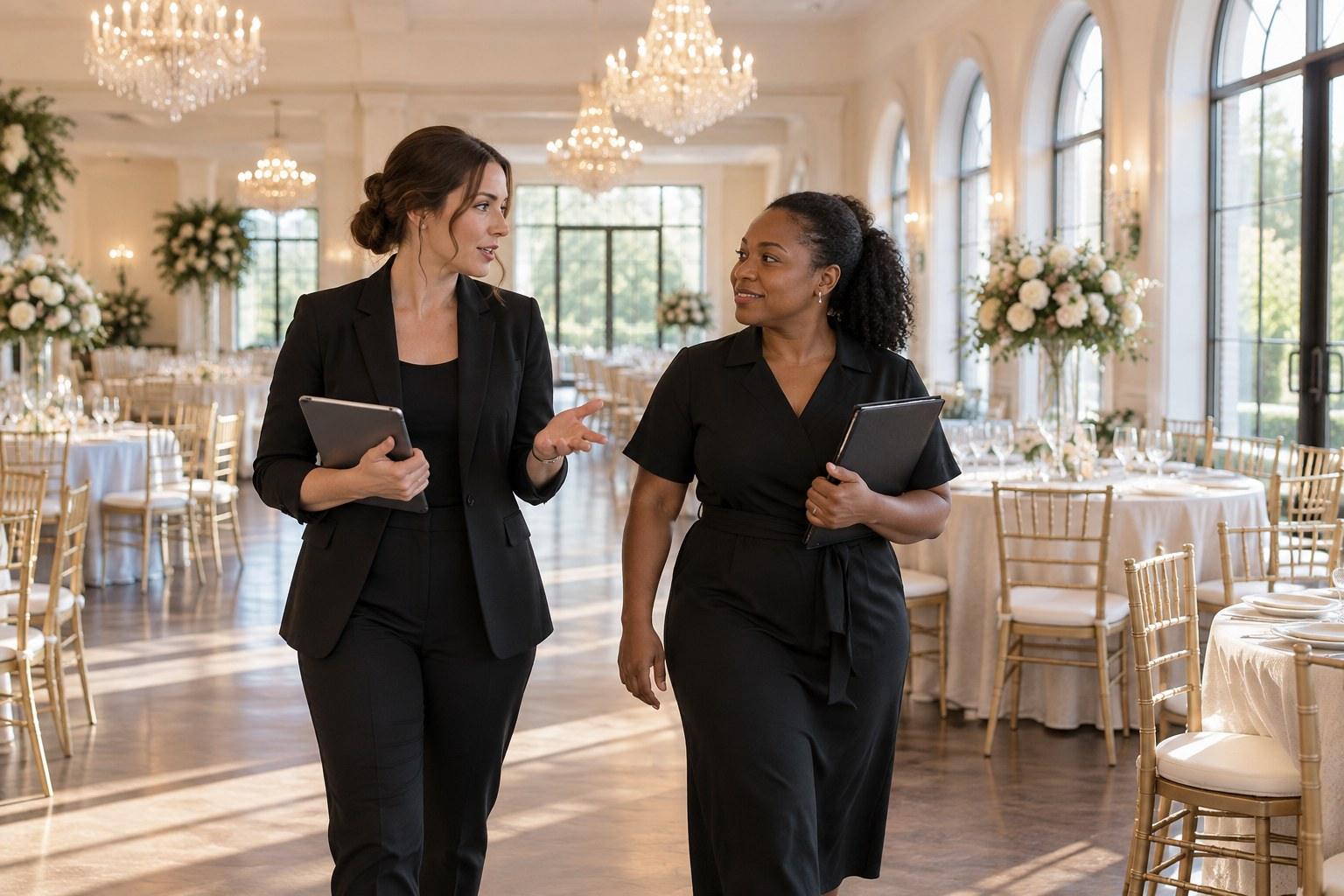
Ask any venue coordinator which planners they recommend and you’ll get a short answer. Two or three names, said without hesitation. Ask why, and the answer is never “their Instagram is gorgeous.” It’s “they make my day easier.”
That’s the whole game with wedding planner vendor collaborations. Venues, florists, photographers and caterers see dozens of planners come through their doors. They quietly sort them into two piles: the ones they’d happily put in front of their own clients, and the ones they’d rather never work with again. Which pile you land in decides whether your partnerships become a steady source of enquiries — or just a few tagged photos.
This guide is about partnerships and co-marketing: getting onto venue lists, running collaborations that actually produce work, and setting ground rules so nobody feels used. (If you want the relationship-building side — how to grow a referral network from scratch — read our earlier post on building a wedding vendor referral network.)
Why venues recommend some planners and never others
A venue’s reputation lives and dies on the weddings held there. When they recommend you, they’re lending you that reputation. So they’re judging you on one question: will this person make us look good, or make us look bad?
Here’s what earns you the recommendation:
- Reliability. You send final numbers, run sheets and floor plans when you said you would — not the night before. You answer emails. You turn up.
- You make the venue look good. The couple’s feedback about the day includes the venue team, because you set them up to shine instead of blaming them when something wobbles.
- You respect their rules and their staff. No naked flames where they’re banned, no confetti they’ve asked you not to throw, no talking down to the duty manager in front of guests. Their house, their rules.
- Bump-in and bump-out discipline. You arrive in your window, you leave in your window, and the room goes back the way you found it. Nothing loses you a venue faster than suppliers still packing out when their next event is setting up.
- You share the photos. Venues constantly need fresh imagery of real weddings. Send them a curated, credited gallery after each wedding and you become the planner they want back.
Notice none of that is marketing. It’s professionalism — the operational habits we drill in the Certificate in Wedding Planning. The marketing comes after, once people trust you.
How to get on a venue’s preferred supplier list
Preferred supplier lists are one of the most valuable forms of wedding planner vendor collaboration — couples trust the venue, so they trust the names the venue hands them. Here’s how to approach it without sounding like a cold call.
Approach the venue coordinator, not the generic inbox
Find out who actually runs weddings at the venue — the events or wedding coordinator — and write to them by name. Keep it short: who you are, what kind of weddings you plan, and a specific reason you’d suit their venue. Then ask for fifteen minutes and a walkthrough. Don’t ask to be put on the list in the first email. Ask to understand how they work.
What to bring to the meeting
- A short portfolio or lookbook — ideally with work in a similar style or size of venue
- Your public liability insurance and any business registration details they’re likely to ask about
- A sample run sheet and floor plan, so they can see how you communicate with venue teams
- Honest references from other venues or suppliers you’ve worked with, if you have them
- Questions: their bump-in rules, noise curfews, preferred communication method, what frustrates them about planners
That last point matters most. Ask what goes wrong when planners work there — then show them you’ve already solved it.
Follow up without pestering
Send a thank-you the same week with anything you promised. Then stay useful: pass on a lead when a couple wants a venue like theirs, share an article featuring the space, invite them to see your work at another event. If you’re new and haven’t done a wedding at their venue yet, say so honestly — and offer to coordinate a small event or a styled shoot there so they can see you in action. Most venues want proof before they add a name, and that’s fair.
Wedding planner vendor collaboration ideas that actually work
Once a relationship exists, collaboration turns it into visibility for both of you. The formats below are the ones worth your time — each gives you something different, so choose based on what you need right now.
Styled shoots
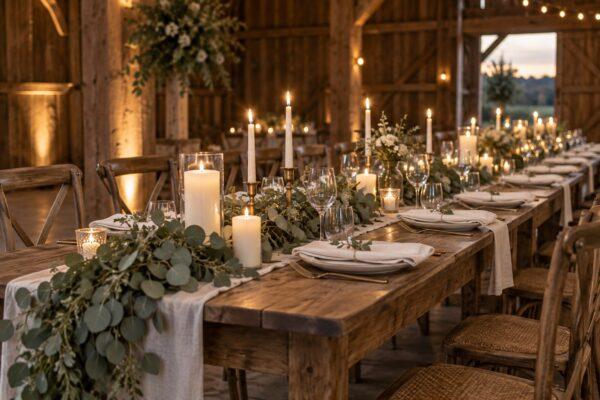
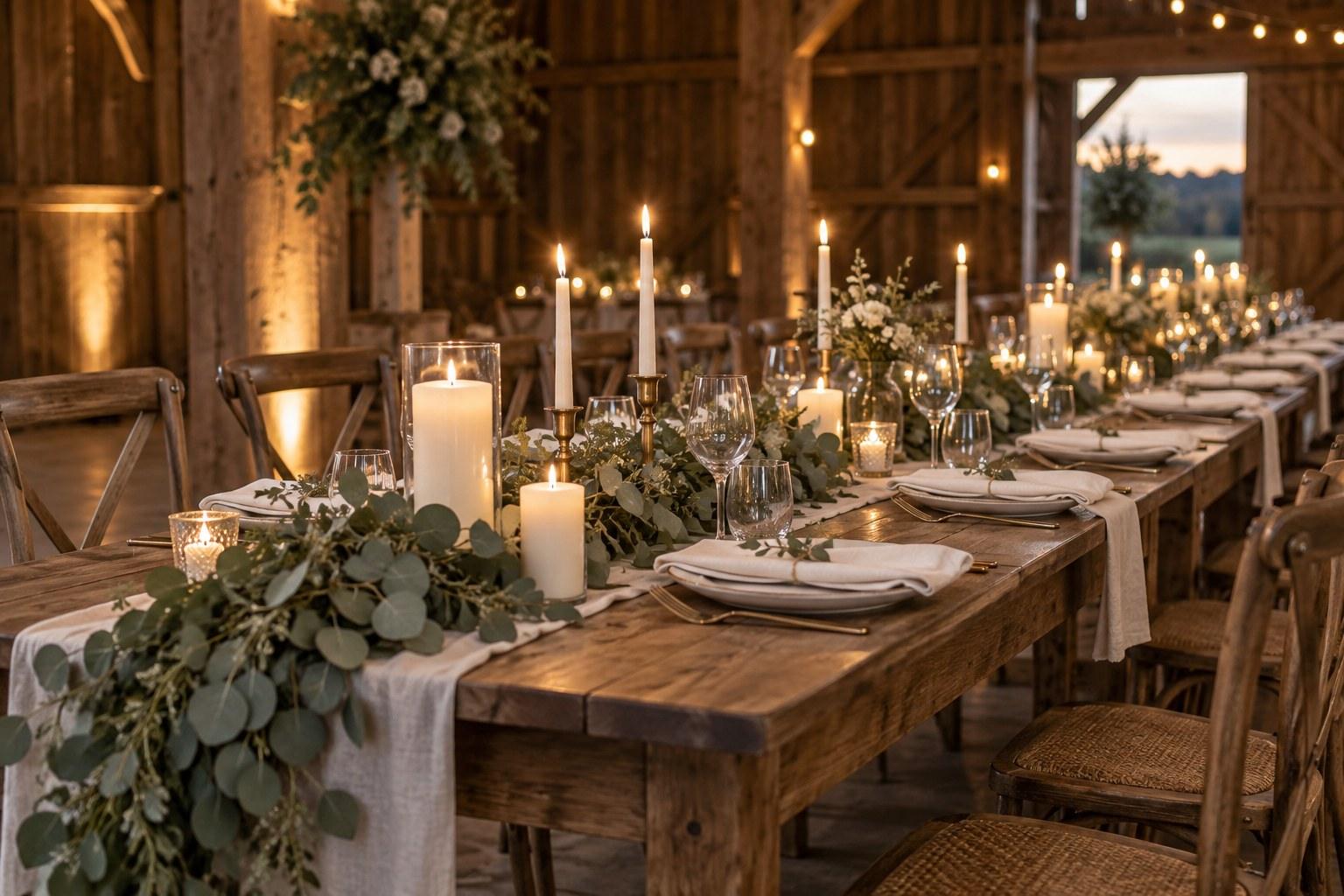
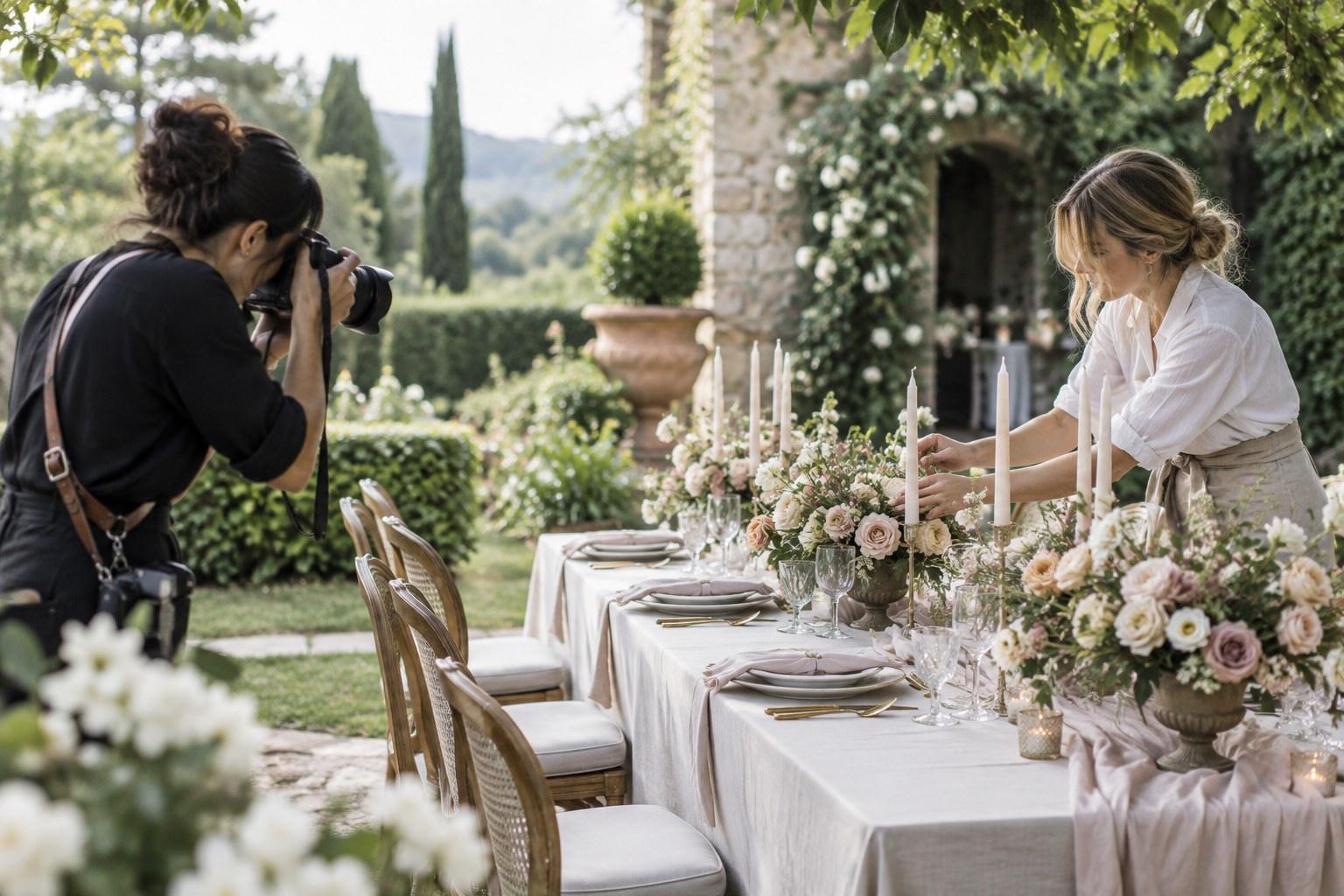
A styled shoot brings a venue, photographer, stylist, florist and others together to create a concept wedding for portfolio and publication. Done well, it gives everyone fresh imagery and a reason to tag each other. Done badly, it’s a lot of unpaid work that produces a thousand near-identical tablescapes. Give it a clear concept, a real brief and an agreed plan for where the images go — and if styling is where you want to lead, the Certificate in Wedding Styling will sharpen your concepts.
Joint open days and showcases
Venues often run open days for engaged couples. Offer to style a table, run a Q&A corner or host a “what a planner actually does” chat. You meet couples who have already chosen — or are close to choosing — a venue you know inside out.
Co-hosted content
Collab reels, joint Instagram lives, guest blog features, podcast conversations. Pair up with a supplier whose audience is your client — a photographer explaining timeline tips while you explain why the timeline exists. Each of you gets introduced to the other’s followers by someone they already trust.
Shared packages and bundles
A venue plus coordination package, or a planner-plus-florist micro wedding bundle. These can be brilliant for couples who want simplicity — but they need the tightest agreements of any format, because money and responsibility are shared.
Workshops and industry events
Co-run a workshop for couples (“planning your wedding without losing your mind”) or for other suppliers. Teaching together positions both of you as the experts in the room.
Collaboration types compared
| Format | What you give | What you get | Best for |
|---|---|---|---|
| Preferred supplier listing | Consistent professionalism, paperwork on time, photos shared back | Warm referrals from couples who already trust the venue | Planners with a few real weddings behind them |
| Styled shoot | Concept, coordination, time, sometimes hire items | Portfolio imagery, tagged content, publication opportunities | New planners building a portfolio, or anyone repositioning style |
| Open day or showcase | A styled display, your time on the day, a talk or Q&A | Face-to-face contact with engaged couples | Planners who convert well in person |
| Co-hosted content | Expertise, filming or hosting time, promotion to your audience | Exposure to a partner’s followers, credibility by association | Growing reach with suppliers who share your ideal client |
| Shared package or bundle | Services at an agreed scope, shared admin and accountability | A simple offer couples can say yes to quickly | Established partners with aligned standards |
| Workshop | Preparation, teaching, venue or promotion costs | Authority, email sign-ups, direct enquiries | Confident presenters with a clear specialty |
Want the full framework for positioning, content and partnerships? That’s the heart of the Certificate in Wedding Business & Marketing.
Set the ground rules for vendor collaborations — in writing
Most collaborations that go sour don’t fail because someone was a villain. They fail because everyone assumed something different. Before any shoot, bundle or joint event, agree these points and put them in an email or simple agreement everyone replies “yes” to:
- Who pays for what. Hire items, flowers, models, venue fees, food on the day, printing. “We’ll sort it out later” is how friendships end.
- Image usage. Who can use the photos, where, and for how long. Can a supplier use them in paid ads? Can they be submitted for publication, and by whom?
- Credits and tagging. Agree the credit list and correct handles before anything goes live. Every supplier credited, every time.
- Timelines. When images are delivered, when content is posted, who posts first, and any embargo if you’re submitting to a publication.
- Responsibilities. Who’s the lead contact, who’s managing the run sheet, who’s cleaning up.
It feels formal among friendly creatives. Do it anyway. Clear rules are what let you collaborate again.

Being a good collaborator on the wedding day
Every wedding is a collaboration audition, whether or not anyone calls it that. The florist, the band and the catering manager are all deciding whether they’d recommend you.
- Send every supplier the final run sheet with their arrival, access and contact details — and confirm they’ve got it.
- Introduce yourself to each supplier on arrival. Learn names.
- Protect their time: tell them early when something’s running late, so they’re not standing around.
- Check suppliers have been looked after — water, a break, a meal if their contract includes one.
- Own your mistakes out loud, and never throw another supplier under the bus in front of the couple.
- Say thank you afterwards, publicly and privately, with a proper credit and tag.
How to measure whether a wedding partnership is working
Likes and follower bumps feel nice. They don’t pay rent. Track the numbers that point to bookings:
- Enquiries that mention the partner. Add a “How did you hear about us?” field to your enquiry form and log every answer.
- Enquiry-to-booking rate by source. Partner referrals often convert differently from cold enquiries — find out which partners send couples who actually book.
- Referrals flowing both ways. Are you sending them work too? Healthy partnerships aren’t one-directional.
- Time and money in versus work out. Tally what each collaboration cost you. If a partnership has taken months of effort with nothing to show, it’s allowed to end.
Review it every few months. Double down on what works; politely step back from what doesn’t.
Red flags in wedding planner vendor collaborations
Pay-to-play supplier lists
Some venues charge suppliers to appear on their list. That isn’t automatically wrong, but ask the questions: how many suppliers are listed in your category, how are couples actually shown the list, and has anyone paying for it booked work from it? A list based on payment rather than quality is marketing you’re buying — judge it like an ad.
One-sided partnerships
If you’re always doing the organising, the posting and the referring — and they’re always “too busy” to return the favour — it’s not a partnership. It’s free labour.
Commission conflicts — and disclosing them honestly
Referral fees and commissions exist in the wedding industry. The problem starts when a couple thinks you’re recommending a supplier because they’re best for them, when really you’re recommending them because they pay you. If you receive any commission, fee or benefit for a recommendation, tell your client clearly and in writing. Your recommendation is the product you sell — the moment clients doubt it, you’ve lost the trust that makes you worth hiring. Check any local consumer-law requirements that apply to you, too.
Wedding planner vendor collaborations FAQs
How do wedding planners get on venue preferred supplier lists?
Contact the venue’s wedding or events coordinator by name, ask for a walkthrough, and bring a portfolio, insurance details and a sample run sheet. Then prove your reliability — ideally by working an event there — and keep sending useful things like leads and credited photos.
Should wedding planners take commission from vendors?
That’s a business decision, but if you do, disclose it to your clients clearly and in writing. Undisclosed commission undermines the trust your recommendations depend on, and may breach local consumer rules.
Are styled shoots worth it for new wedding planners?
They can be, if the concept is strong and everyone agrees upfront on costs, image usage and credits. A styled shoot gives you portfolio images and relationships with suppliers before you have many real weddings to show.
What should a vendor collaboration agreement include?
Who pays for what, who can use the images and where, the credit list and tags, delivery and posting timelines, and who is responsible for each task. An email everyone confirms is far better than nothing.
How do you know if a wedding vendor partnership is working?
Track enquiries that mention the partner and how many of those book. Compare that against the time and money the partnership costs you, and check referrals are flowing both ways — not just likes and followers.
Partnerships are how good planners stop chasing every booking alone. If you want the complete system — positioning, marketing, pricing and the partnerships that feed it — the Certificate in Wedding Business & Marketing is where to start. 💍